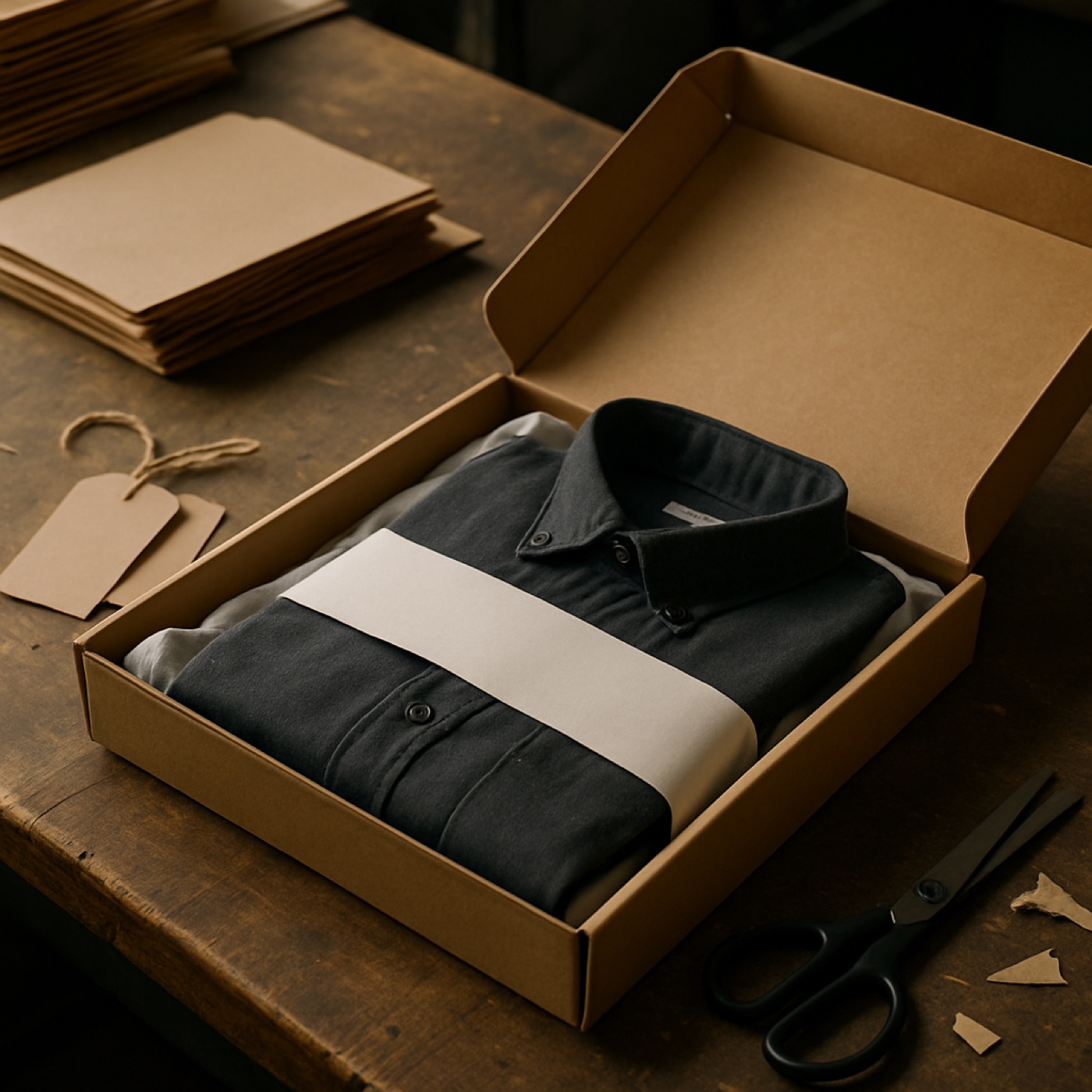
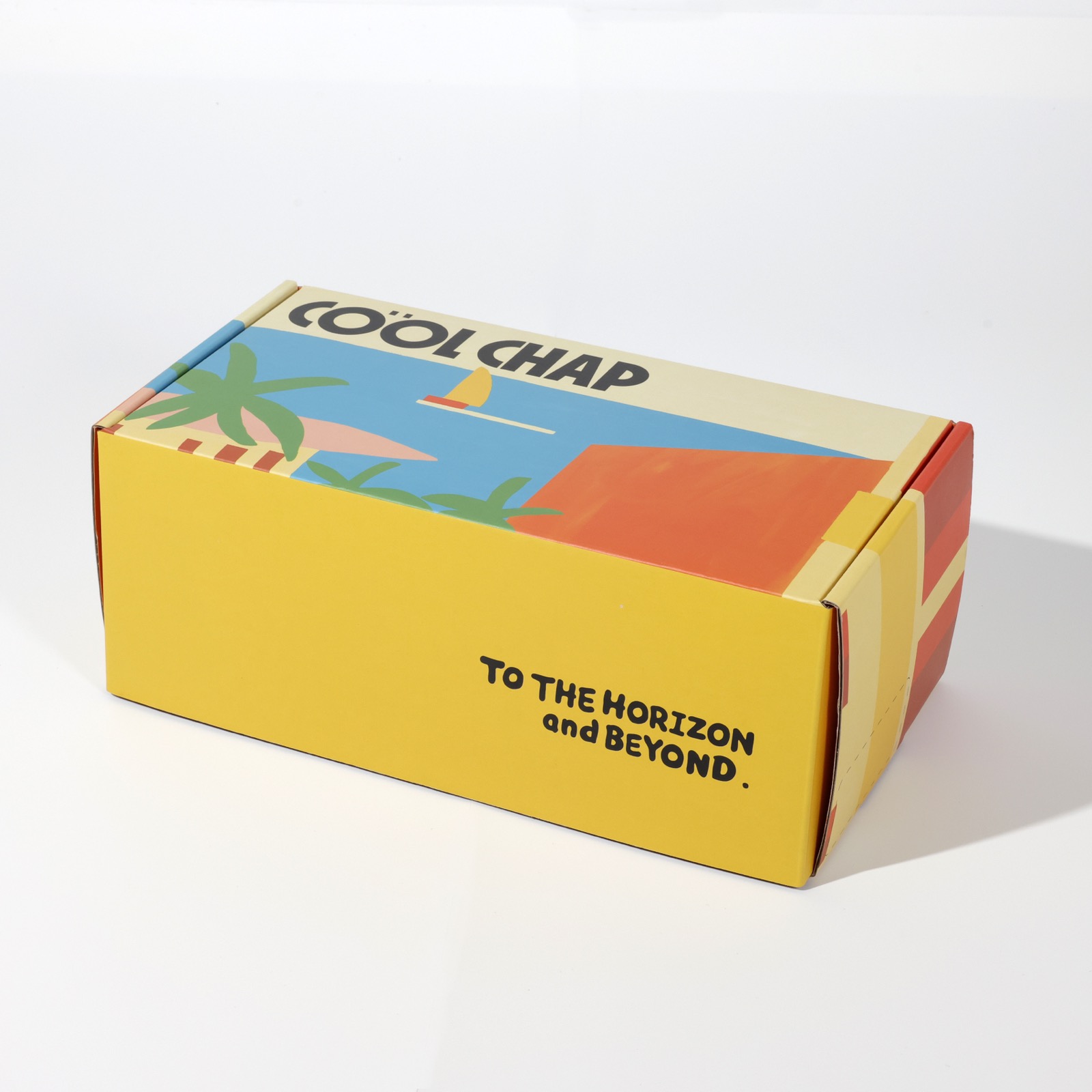
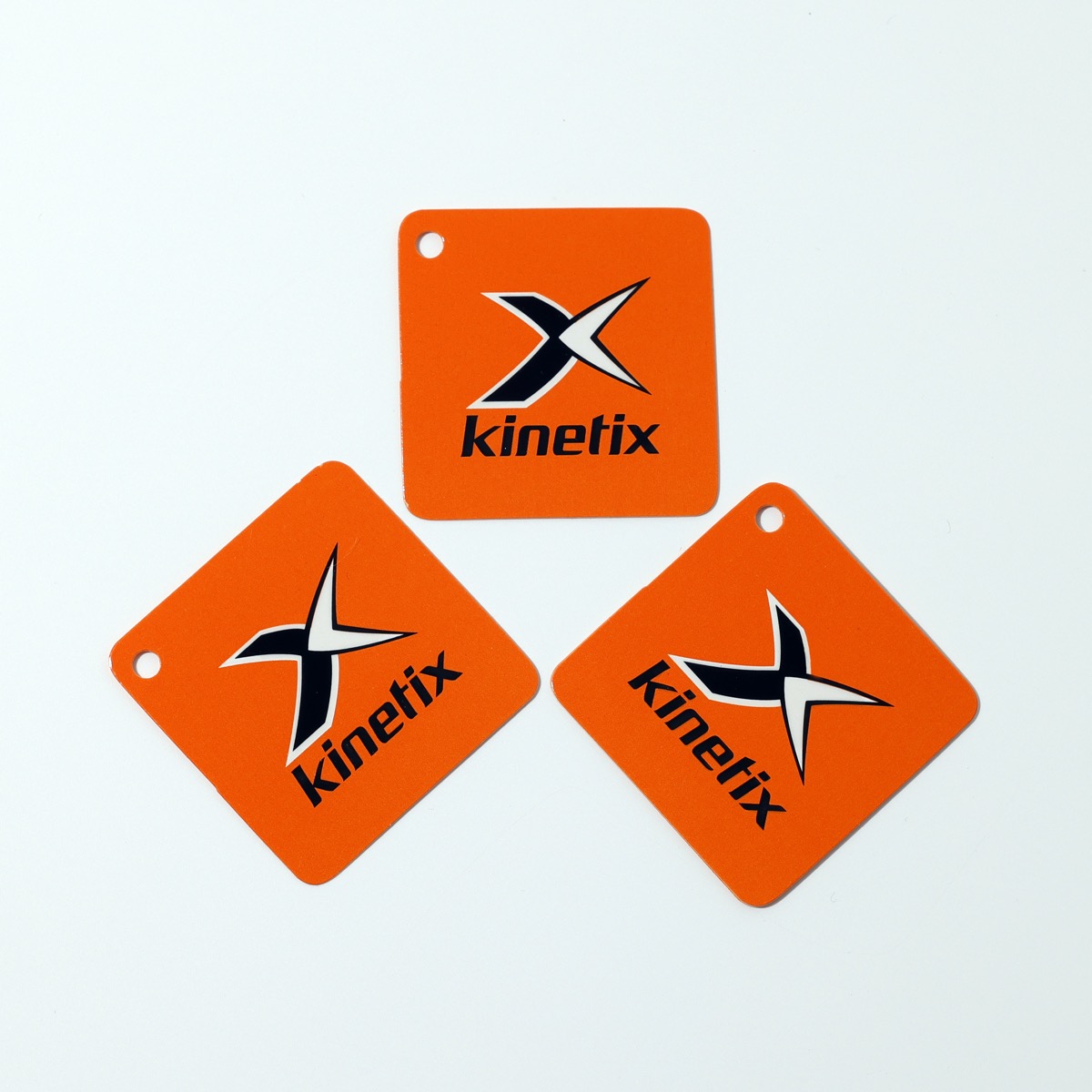
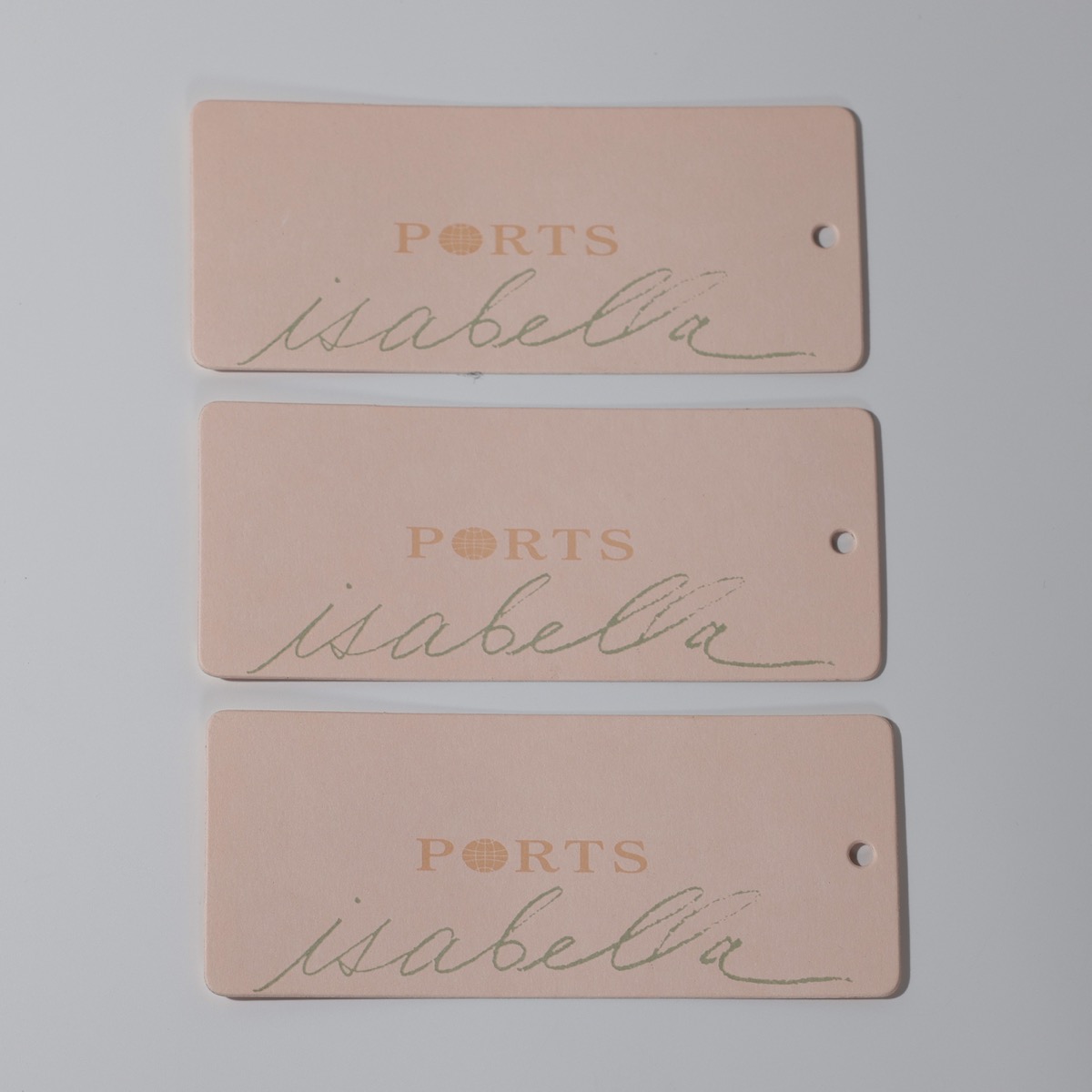
A hang tag is a small piece of card that gets handled hundreds of times between the sewing line and the fitting room. We print custom hang tags, apparel gift boxes, tissue, retail bags and e-commerce mailers in one factory in Fuzhou, running since 1976. Tags are die-cut, eyeleted and strung in-house, so the piece that carries your price and your brand arrives ready to attach.
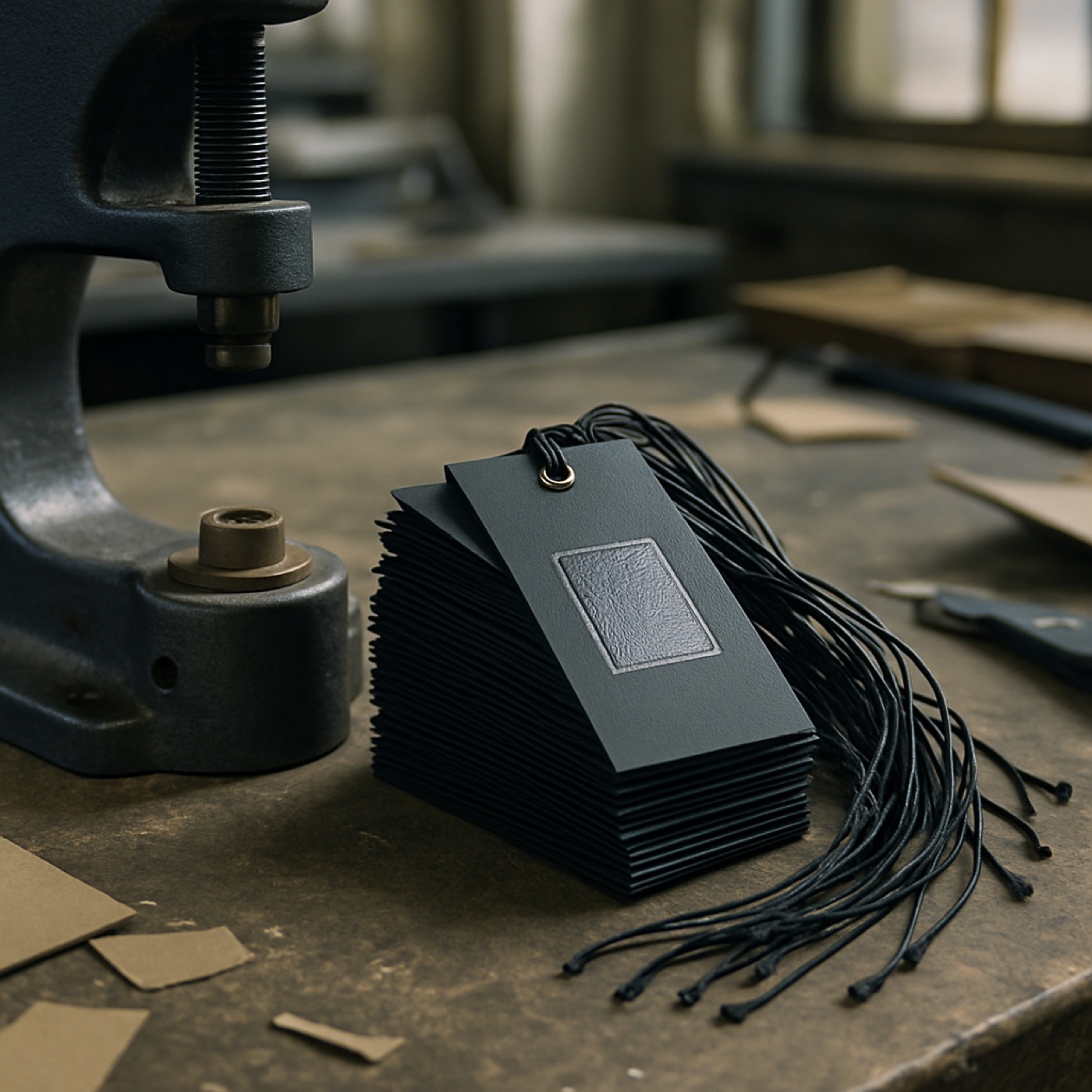
1,000 tags per design on digital, 500 boxes per SKU. You can tag a capsule collection without warehousing a pallet of stock you will redesign next season.
Hot foil, deboss, raised spot UV and soft-touch lamination, run on the same card printing lines that hold register on our tightest card work.
Die-cutting, hole punching, eyeleting and stringing happen in one building. Tags leave here attached to their cotton string or waxed cord, not in separate bags.
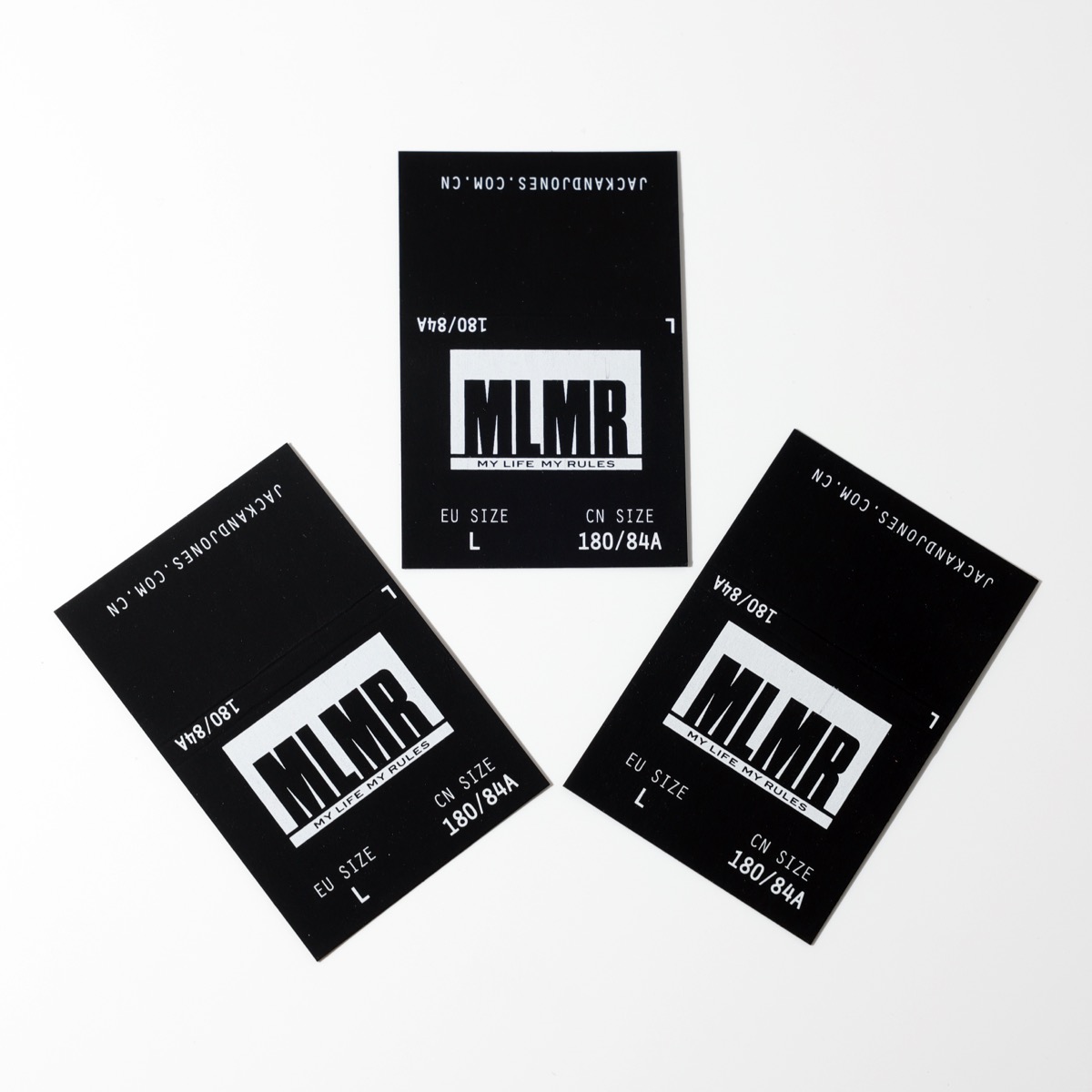
Size and colorway tags print digitally with variable data, so S through XXL runs in one pass, sorted and bundled by SKU before packing.
Gift boxes, tissue and printed paper bags use the same stocks and foils as your tags, so nothing at the counter clashes.
Retailers increasingly ask for chain-of-custody paperwork. We send FSC and ISO 9001 certificates on request with the quotation, before you commit.
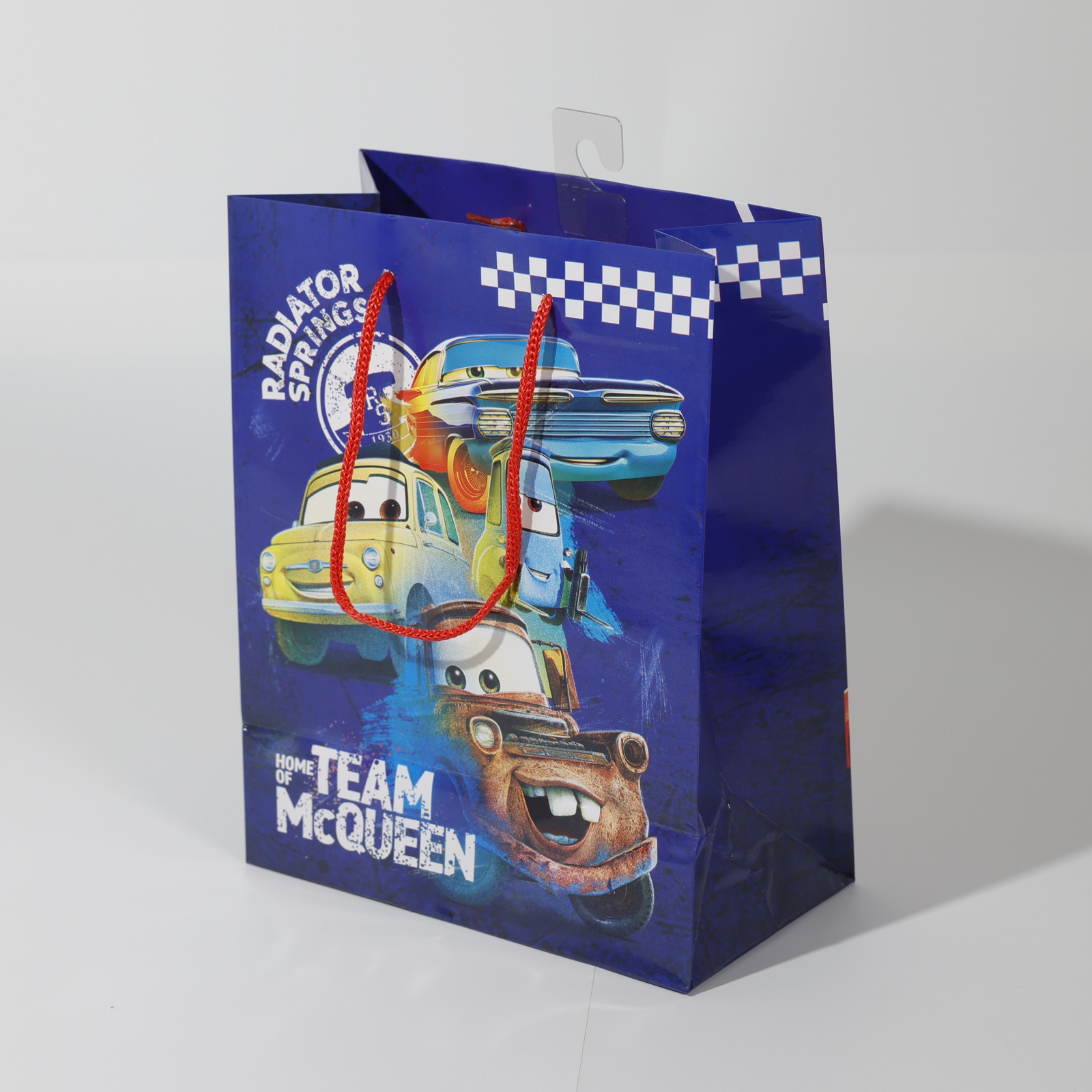
| Formats | Hang tags, paper trims and belly bands, folded shirt boxes, magnetic rigid boxes, tissue paper, laminated retail bags, corrugated mailers. |
|---|---|
| Substrate | 250–600 gsm coated and uncoated board; heavier weights laminated as duplex from two thinner sheets; kraft, black board and FSC-certified stocks available. |
| Print method | Sheet-fed offset up to 8 colors, digital (Heidelberg Versafire) for runs under about 3,000 units and for variable-data size and colorway tags. |
| Finishing | Hot foil, deboss, emboss, raised spot UV, soft-touch and matte lamination, rounded corners, full die-cut shapes. |
| Attachments | Brass, nickel and matte black eyelets; cotton string, waxed cord, elastic loop, ribbon, steel safety pins. Shipped strung and knotted, or bulk with strings separate. |
| MOQ | 1,000 tags per design digital, 5,000 offset. 500 gift boxes, 1,000 folded shirt boxes, 1,000 retail bags. |
| Lead time | 10–22 days production + 8–32 days transit depending on destination. |
Board. Most tags run between 250 and 600 gsm. Single sheets cover the lower weights; above roughly 400 gsm we laminate two thinner sheets into a duplex, which adds stiffness without cracking on the die-cut edge and lets the two faces use different papers, a colored core or a kraft back behind a coated front. Denim and outerwear brands usually sit at the heavy end because the tag has to stay flat next to thick fabric.
Shape, hole and string. Any die-cut shape is fair game, from plain rectangles with rounded corners to full contour cuts. The hole is punched, then reinforced with a brass, nickel or matte black eyelet where the string will see load. String options: cotton string, waxed cord, elastic loop, ribbon or a steel safety pin for knitwear. We string and knot in-house, so tags arrive ready for the sewing line rather than as a kit.
Finish that holds up. A tag gets flipped, bent and rubbed against fabric from the day it is attached. Foil and deboss sit in or on the board itself and take that abuse better than surface ink alone; lamination before die-cutting keeps edges clean; raised spot UV resists scuffing on dark stocks. We tell clients which combination survives their retail environment instead of quoting whatever the artwork shows.
Variable data. Size and colorway tags print digitally with per-SKU data, so one run covers S through XXL and every wash, sorted and bundled by SKU before packing. This is the workflow behind the hang tags we produce for Jack & Jones, a global denim brand whose QC standard is a useful benchmark for what leaves our floor.
Run length decides the print method. Digital wins up to roughly 3,000 units. Offset starts amortizing its plates and setup above roughly 8,000. Between those points it depends on colors and finishes, and we quote both ways. Apparel makes this worse than most categories: every season resets the artwork, so a huge tag order bought for a better unit price often outlives the collection it was printed for. Short digital runs cost more per unit and less per season.
Attachments and finish move the price more than print. On a tag, the eyelet, the string and the hand knotting can cost as much as the printing. Foil coverage is the other lever. We break these out as line items in the quote so you can see what a plain punched hole with bulk strings saves against a fully strung, eyeleted tag. If your buyer needs sustainability paperwork, FSC chain-of-custody and ISO 9001 certificates go out on request with the quotation.
| 2026 ballpark, ex-works, artwork ready | |
|---|---|
| 5,000 hang tags with string | ≈ $0.04–0.09 / unit |
| 1,000 folded shirt boxes | ≈ $0.55–0.95 / unit |
| 500 magnetic apparel gift boxes | ≈ $2.20–3.60 / unit |
| 1,000 printed retail bags | ≈ $0.60–1.10 / unit |
Indicative ranges only. Size, board weight, foil coverage and attachment type move these numbers. Send your spec through the quotation form or build one in Studio for a firm price in one business day.
Decide who attaches the tag before you order. If your garment factory tags on the sewing line, ask which format their line prefers: strung and knotted, or bulk tags with strings packed separately. Stringing at our end adds a hand step to the price but removes one from theirs. We quote both so the comparison is on paper, not guesswork.
Send tag dimensions, artwork or a photo of a tag you like. Our engineers respond within one business day with construction advice and a firm price.
Request a quote1,000 tags per design on digital print, 5,000 on offset. Under about 3,000 units digital keeps plates and setup out of the price, so short runs stay affordable. At 5,000 and above, offset with foil stamping usually wins on unit cost.
Brass, nickel and matte black eyelets, cotton string, waxed cord, elastic loops, ribbon and steel safety pins. Tags can ship bulk-packed with strings separate, or strung and knotted so they are ready to attach on the sewing line.
Yes. Size and colorway tags carry variable data, so we run S through XXL or a full shade range in one digital pass, then sort and bundle by SKU with a count label on each bundle.
Yes, and this is the point of using one factory. Tags, shirt boxes, tissue and bags run on the same stocks and foils under one purchase order, so the gold on the tag is the same gold on the box lid, batch for batch.