Variable data printing is transforming the packaging industry by enabling personalized and dynamic content on individual packages. This technology leverages data to print unique codes, including DataMatrix and QR codes, facilitating sophisticated track-and-trace systems. As businesses worldwide seek to enhance their supply chain visibility and consumer engagement, variable data printing is becoming a critical tool for packaging solutions.
Understanding Variable Data Printing
Variable data printing (VDP) is a digital printing process that allows for the customization of packaging on a per-unit basis. This means each package can have different text, images, or codes. VDP is not only about personalization but also about enhancing functionality, such as enabling track-and-trace systems through unique identifiers.
The Role of Digital Printing
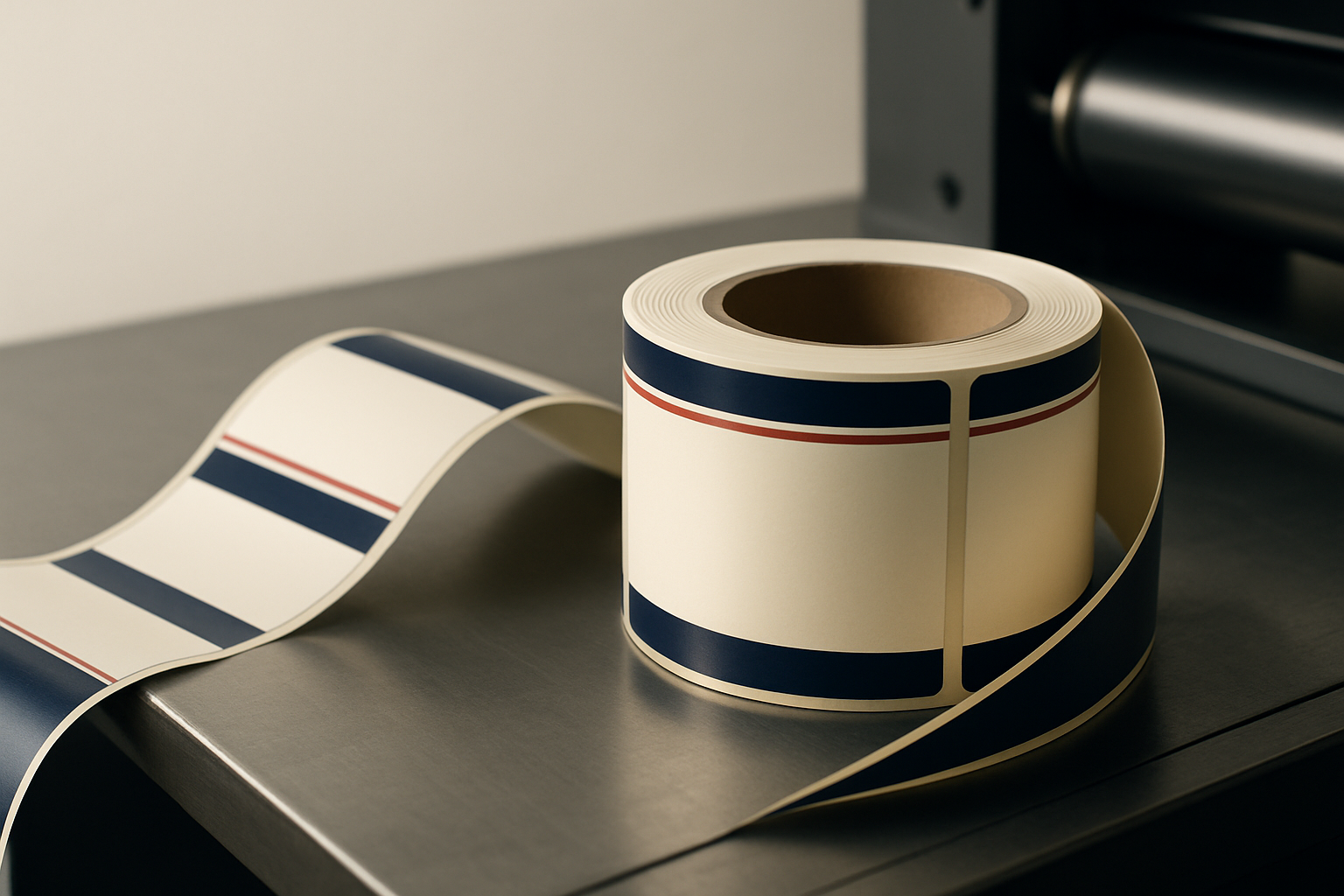
Our factory utilizes sophisticated digital printing technologies to enable VDP. Unlike traditional printing methods that require static plates, digital printing allows for real-time changes to the print design. This adaptability is key for producing short runs and prototypes efficiently, which can later scale up without changing the setup significantly.
DataMatrix vs. QR Codes
DataMatrix and QR codes are the most common forms of variable data used in packaging. Both serve similar purposes but have distinct characteristics that suit different applications.
DataMatrix Codes
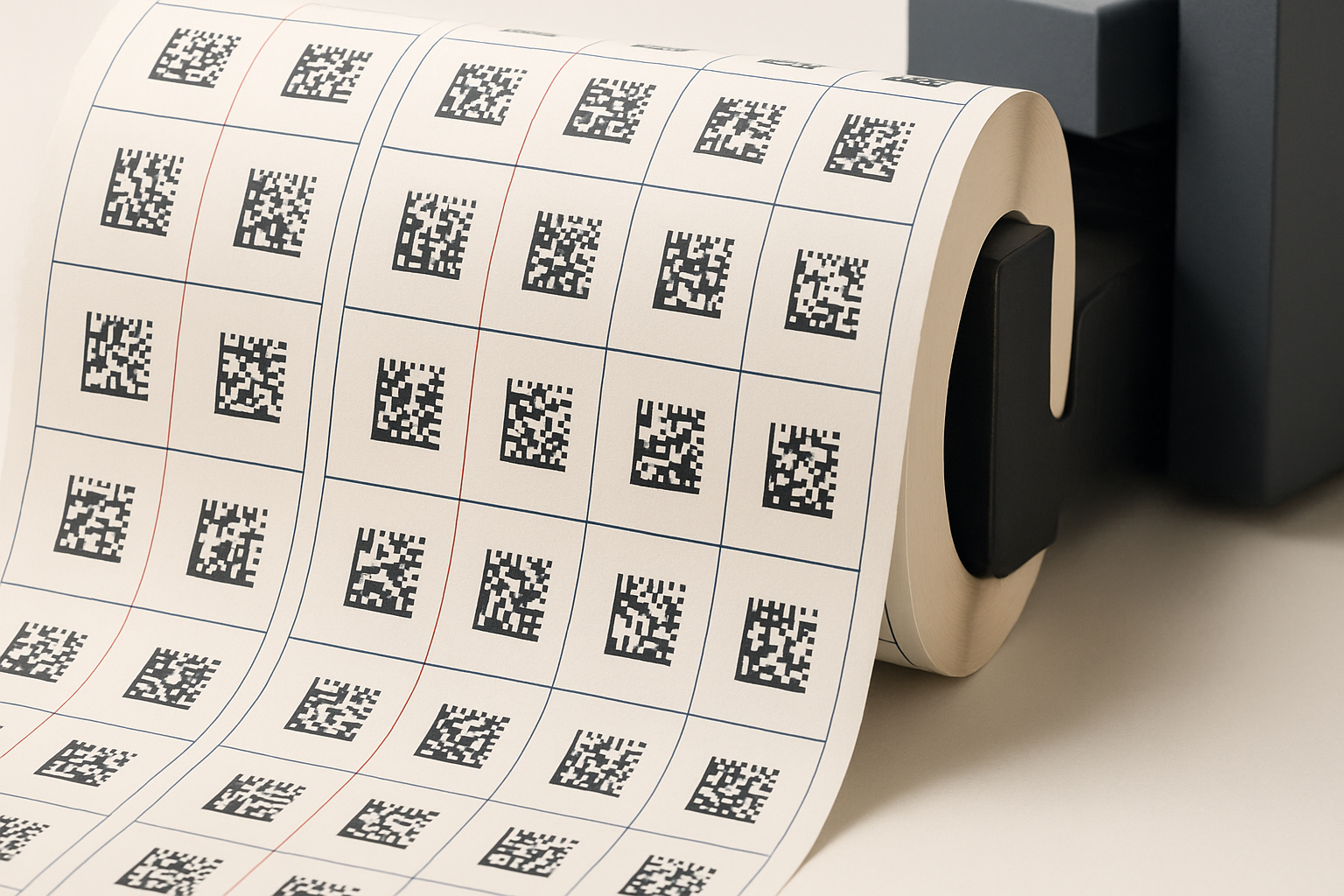
DataMatrix codes are 2D barcodes that can store a large amount of data in a small space. They are highly reliable and can be read even if partially damaged. This makes them ideal for industrial applications where durability is essential.
QR Codes
QR codes are more consumer-facing, often used for marketing and interactive purposes. They are easily scanned with smartphones, allowing consumers to access product information, promotions, or traceability data instantly.
| Feature | DataMatrix Code | QR Code |
|---|---|---|
| Data Capacity | High | Medium |
| Size Efficiency | Compact | Larger |
| Readability | High (damaged code readable) | Moderate |
| Consumer Interaction | Low | High |
Track-and-Trace Systems
Track-and-trace systems leverage variable data printing to improve transparency and security across supply chains. By assigning unique identifiers to each product, businesses can monitor the movement of goods from production to the end consumer, reducing the risk of counterfeiting and improving recall efficiency.
Implementation in Supply Chains
Effective track-and-trace systems rely on consistent data capture and integration. Our Custom Label Printing services provide the precision needed to ensure that every code is accurately printed and easily scannable throughout the supply chain.
Benefits of Variable Data Printing in Packaging
The adoption of variable data printing offers numerous advantages, including enhanced security, improved customer engagement, and increased operational efficiency. Let's explore these benefits in detail.
Enhanced Security
By integrating unique codes on packaging, businesses can significantly reduce the risk of counterfeiting. Each product can be tracked and verified at every stage of the supply chain, ensuring authenticity and quality assurance.
Improved Customer Engagement
QR codes and similar technologies enable brands to connect with consumers directly. By scanning a code, customers can access product information, promotions, and loyalty programs, creating a more engaging brand experience.
Operational Efficiency
Variable data printing enhances operational efficiency by reducing the need for multiple print runs and enabling real-time adjustments. This flexibility is particularly beneficial for managing diverse product lines and responding quickly to market changes.
Challenges and Considerations
While variable data printing offers significant benefits, businesses must consider certain challenges, such as data management and integration complexity. Ensuring consistent data accuracy and maintaining robust IT infrastructure are critical for successful implementation.
Integrating Variable Data Printing with Existing Systems
Integrating variable data printing with existing production systems requires careful planning and collaboration. Our factory's G7 color management and ISO 9001 quality control ensure smooth integration with your processes, minimizing disruptions and maximizing efficiency.
Key Takeaways
- Variable data printing enhances packaging through unique DataMatrix and QR codes.
- DataMatrix codes are ideal for industrial applications; QR codes suit consumer engagement.
- Track-and-trace systems improve supply chain transparency and security.
- Our full printing capabilities support smooth integration and high-quality output.
- Overcoming challenges in data management is essential for effective implementation.
Frequently asked questions
What is variable data printing in packaging?
Variable data printing allows for the customization of each package with unique data, such as QR codes or DataMatrix codes, enhancing track-and-trace capabilities and consumer interaction.
How do QR codes differ from DataMatrix codes?
QR codes are generally larger and used for consumer interactions, while DataMatrix codes are compact and used for industrial applications due to their high data capacity and readability.
What are the benefits of track-and-trace systems?
Track-and-trace systems improve product security, reduce counterfeiting risks, and enhance supply chain transparency by allowing for the monitoring of each product's journey.
How can I integrate variable data printing in my packaging?
Integrating variable data printing requires collaboration with a capable printing partner. Our factory offers comprehensive solutions to ensure smooth integration with existing systems.