Pharmaceutical labeling isn't forgiving. One specification error, one smeared barcode, one adhesive that peels at 4°C, and you're looking at a regulatory hold or, worse, a patient safety issue. GMP buyers know this, which is why the label spec sheet often gets as much scrutiny as the formulation itself. We've been producing pharma-grade labels at our Fuzhou factory since 1976, and in our experience, the buyers who get this right share a few common habits.
Understanding GMP Label Specifications
GMP label specifications exist for a reason. They protect the product, the patient, and the brand. Durability, legibility, and regulatory compliance aren't optional line items you negotiate away to hit a budget target. They're the floor.
Material Selection
Get the substrate wrong and everything downstream suffers. Pharma labels travel through cold storage, humid dispensaries, and busy clinical settings. They can't afford to fail. Coated art paper in the 250-400gsm range is a proven workhorse here, giving you the structural rigidity and print surface clarity that barcode scanners and human readers both need. That said, if your product faces extreme moisture exposure, you'll want to talk through polyester or BOPP film alternatives before locking in your spec.
Adhesive Qualities
Pharmaceutical-grade adhesive is non-negotiable. The label has to stay put through the entire product lifecycle, from the filling line to the pharmacy shelf. That means resistance to temperature swings, humidity, and compatibility with glass, HDPE, and PVC container surfaces. Don't let a supplier talk you into a general-purpose adhesive just because it's cheaper. It'll cost you more in the end.
Printing Technologies for Pharma Labels
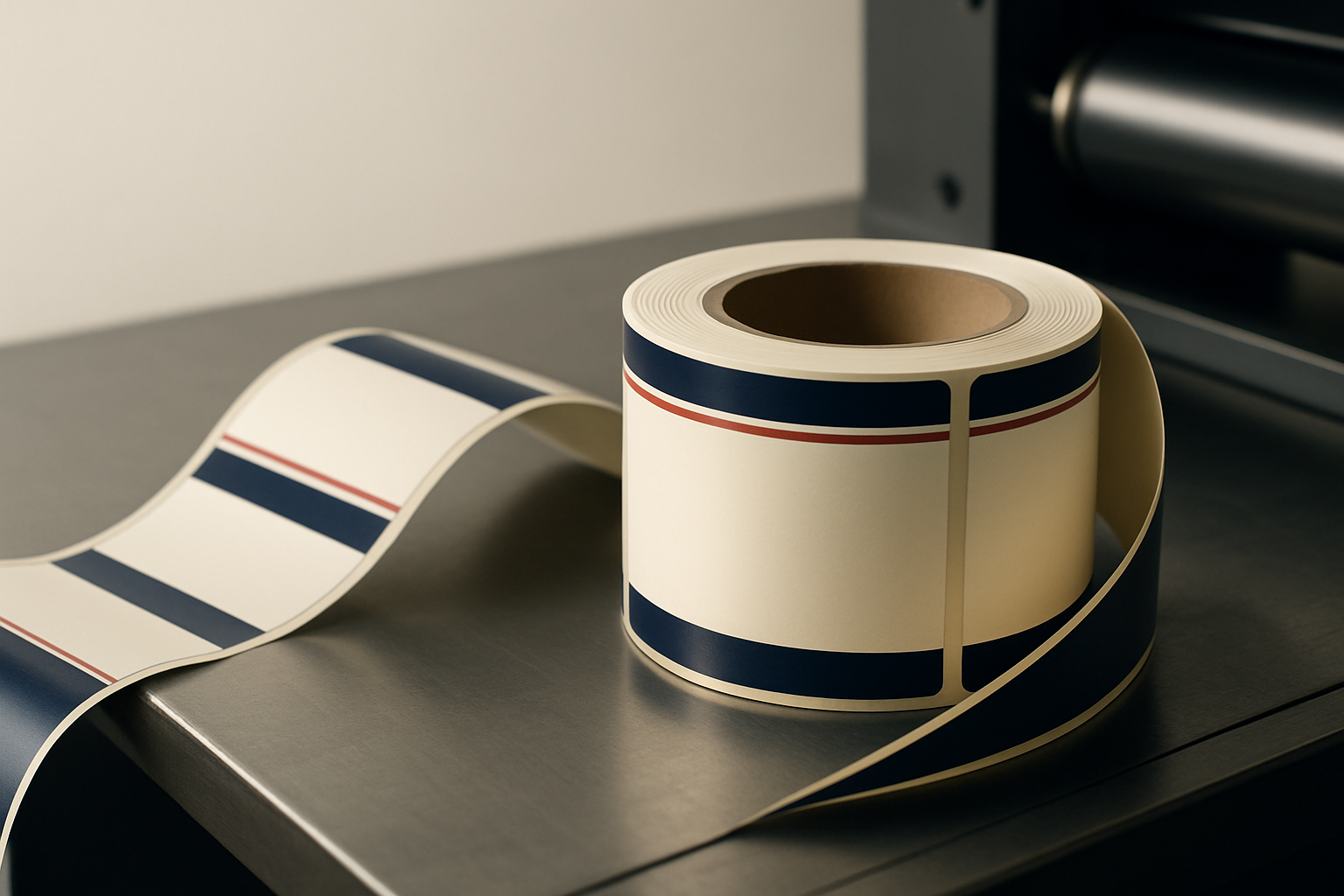
The precision of Custom Label Printing is what separates compliant labels from liability. We run both digital and offset presses here, and the right choice depends on your run length and variable data requirements.
Digital Printing
Digital is the right call for short runs and anything requiring variable data. Serialized lot numbers, unique barcodes, QR codes that change per SKU. Digital handles all of it without the plate change overhead. The output is sharp and consistent, which matters when a blurry barcode can trigger a rejection at a customs checkpoint.
Offset Printing
For larger volumes, offset is where you get your money's worth. The economics improve significantly once you're into longer runs, and the color consistency is excellent. Our presses operate under ISO 9001 certification, so quality doesn't drift across a high-volume batch.
Compliance with Regulatory Standards
Honestly, this is the section most buyers read first, and rightly so. International pharmaceutical labeling has no tolerance for interpretation. Our factory holds ISO 9001 and FSC CoC certifications, and our production processes are built around meeting global regulatory requirements, not working around them.
FDA and EMA Guidelines
If you're selling into the US or European markets, FDA and EMA compliance isn't background noise. It shapes the label from content requirements down to minimum font sizes and layout logic. We've worked with buyers targeting both markets, and the short answer is you need a manufacturer who understands these frameworks before the press even runs, not one who reviews them after a rejection.
SGS Certification
SGS certification gives GMP buyers third-party verification that our quality and safety standards hold up under independent scrutiny. It's not a marketing badge. It's documented proof that the controls we say we run are the controls we actually run. For procurement teams writing supplier qualification reports, it matters.
Design Considerations for Pharma Labels
A pharma label has to do two things at once. Stay compliant and be usable. Those goals don't have to conflict, but they do require deliberate design decisions.
Information Hierarchy
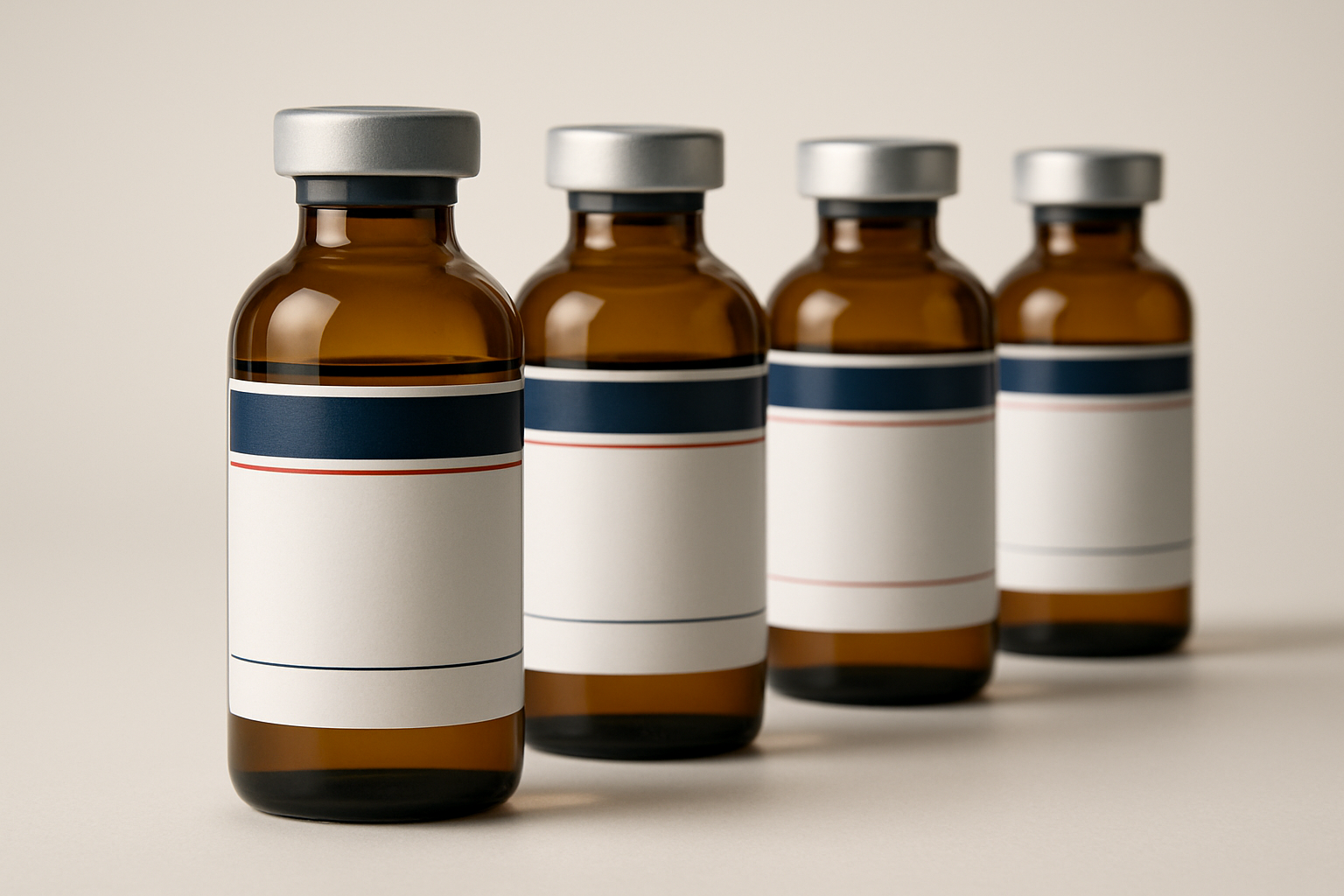
Critical information goes first. Drug name, dosage, expiration date, lot number. These can't be buried in a wall of regulatory text or printed at a size that requires a magnifying glass. A clear hierarchy isn't just good design, it's a regulatory expectation in most markets.
Use of Colors and Graphics
Color plays a real role in label usability and brand differentiation, even in pharma. Our G7-certified color processes mean what you approve in the proof is what comes off the press. Consistent color across production runs matters when your brand identity or dosage-strength coding depends on precise hue matching.
Quality Control and Testing
We don't ship labels that haven't been tested. Full stop. Quality control in pharma label production isn't a final inspection you bolt onto the end of the process. It runs through the whole job.
Durability Testing
Labels get tested against the conditions they'll actually face. Temperature cycling, humidity exposure, abrasion. If a label fails in our QC lab, it doesn't reach your filling line. The goal is simple: the label you apply on day one should still be fully legible and intact on the expiration date printed on it.
Legibility Checks
Every run goes through legibility verification. Text clarity, barcode scan rates, print registration. We run multiple checkpoints rather than a single end-of-line review, because catching a problem at press is far cheaper than catching it after finishing.
Cost Considerations
Quality doesn't have to mean paying a premium on every line item. GMP buyers can source compliant, high-quality pharma labels at competitive prices if they understand where the real cost drivers sit.
Volume Discounts
Tooling and plate costs are fixed per job. Spread those across a larger volume and your per-unit cost drops meaningfully. We're transparent about this in our quoting, so you can make an informed decision about run length versus unit economics.
Efficient Production
Lead times run 12-30 days depending on specification complexity and volume. That's a real, honest range. We'll give you a more precise window once we've reviewed your artwork and confirmed your material and finish selections.
Key takeaways
- GMP buyers must prioritize materials, printing technologies, and compliance when specifying pharma labels.
- Choosing a reliable pharmaceutical label manufacturer like us ensures adherence to regulatory standards.
- Advanced printing technologies, such as digital and offset printing, offer flexibility and quality.
- Effective design and quality control are crucial for functional and compliant labels.
- Competitive pricing and efficient production support cost-effective procurement.
Frequently asked questions
What materials are best for pharma-grade labels?
Coated art paper in the 250-400gsm range is a solid starting point for most applications, offering the durability and print surface clarity pharma labels require. High-moisture environments may call for polyester or BOPP film instead.
How do you ensure compliance with FDA and EMA guidelines?
Our production operates under ISO 9001 and FSC CoC certification, and we build label specs with FDA and EMA content, layout, and safety requirements in mind from the outset, not as an afterthought.
What printing technologies do you use for pharmaceutical labels?
We use both digital and offset printing. Digital suits short runs and variable data. Offset delivers consistent, cost-effective results on larger volumes. We'll recommend the right process once we know your quantities and requirements.
Can you provide cost-effective solutions for large volume orders?
Yes. Larger runs distribute fixed tooling and plate costs across more units, which reduces your per-label cost. We can walk you through the volume breakpoints during quoting so you can plan your order size accordingly.