Securing TTB label approval is a critical step in the production timeline for alcohol brands looking to make their mark in the market. However, many companies mistakenly print their packaging before obtaining the Certificate of Label Approval (COLA), leading to costly errors and delays.
Understanding TTB COLA Label Approval
The Alcohol and Tobacco Tax and Trade Bureau (TTB) requires that all alcoholic beverage labels undergo approval through their Certificate of Label Approval (COLA) system. This process ensures that labels meet federal regulations, including mandatory elements like health warnings and alcohol content.
Key Elements of TTB Label Approval
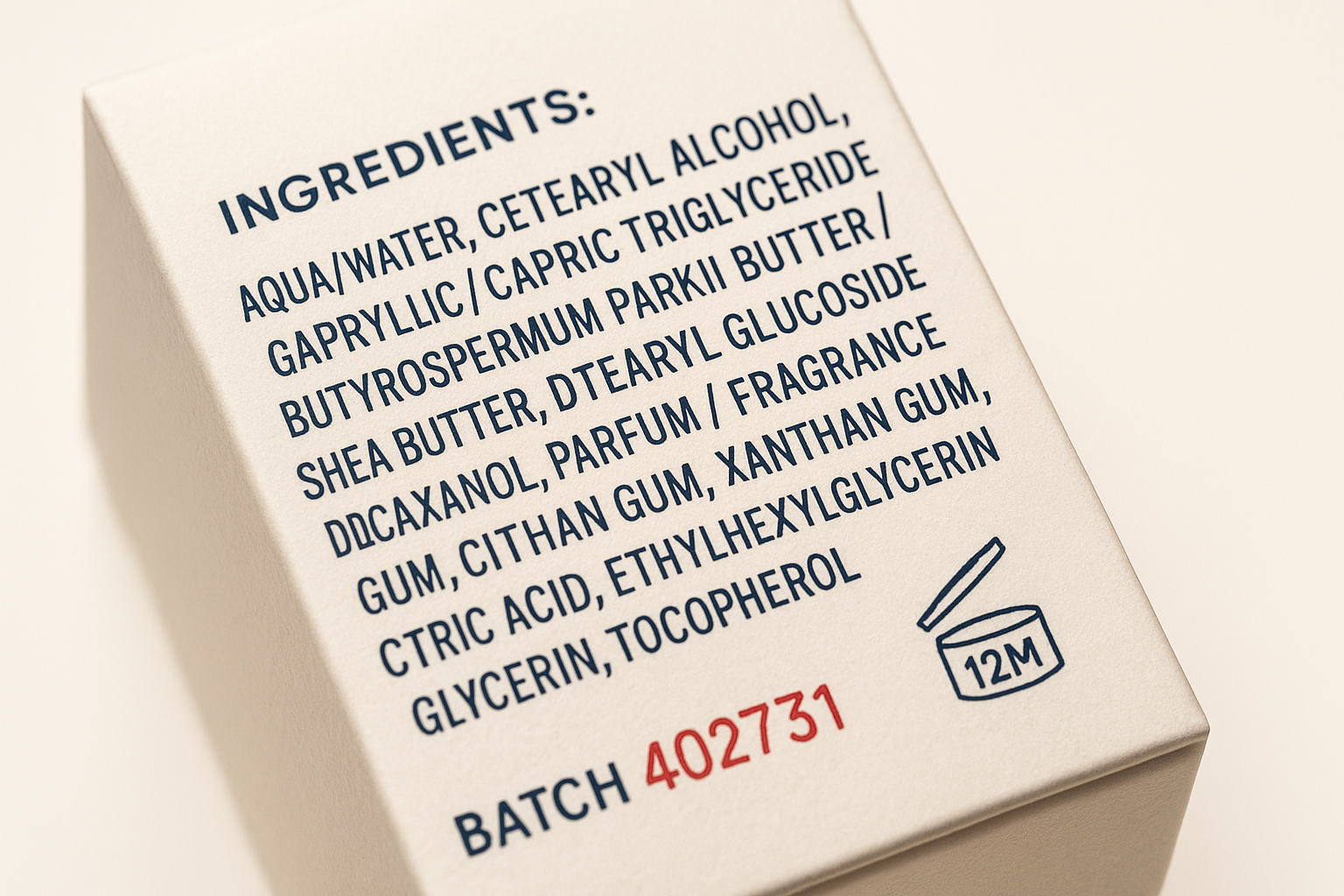
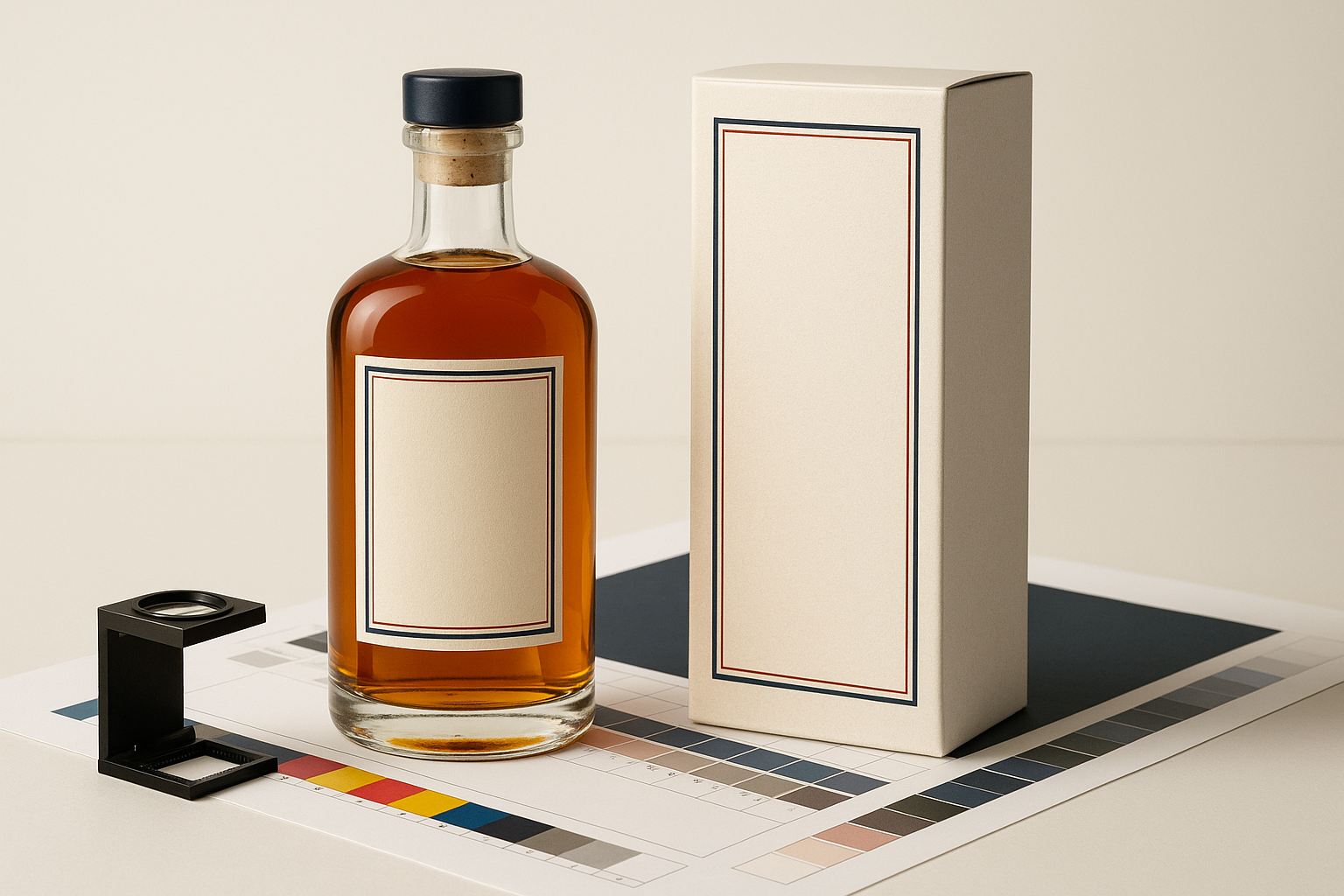
Labels for alcoholic products must contain specific information, including but not limited to the brand name, class and type designation, alcohol content, and government warning labels. Each element must comply with TTB regulations to be approved.
Common Pitfalls in Label Approval
The most frequent mistake we see is brands printing labels before receiving COLA approval. This often results in non-compliance, requiring expensive reprints and delaying product launches. Avoiding this mistake is crucial for maintaining a smooth production schedule.
Non-Compliance Risks
Printing labels before approval can lead to several issues, such as incorrect mandatory information, misplacement of the government warning label, or failure to meet size and color requirements. Each of these errors can cause significant disruptions.
Aligning Your Packaging Timeline
To optimize your timeline, integrate the COLA approval process into your overall production schedule. Begin your label design early, allowing sufficient time for revisions before submission to the TTB. Engage with professional designers familiar with TTB requirements to minimize errors.
Timeline Recommendations
Ensure your label design is finalized and submitted to the TTB for approval well before your planned production start date. Typically, TTB processing takes 30 days, but it's prudent to allow additional time for potential revisions.
Printing After Approval: Best Practices
Once your label has received COLA approval, you can proceed with printing. Partner with experienced manufacturers who understand the intricacies of alcohol packaging compliance. Our factory, certified with ISO 9001 and FSC CoC, ensures that each label meets regulatory standards.
Material and Technique Selection
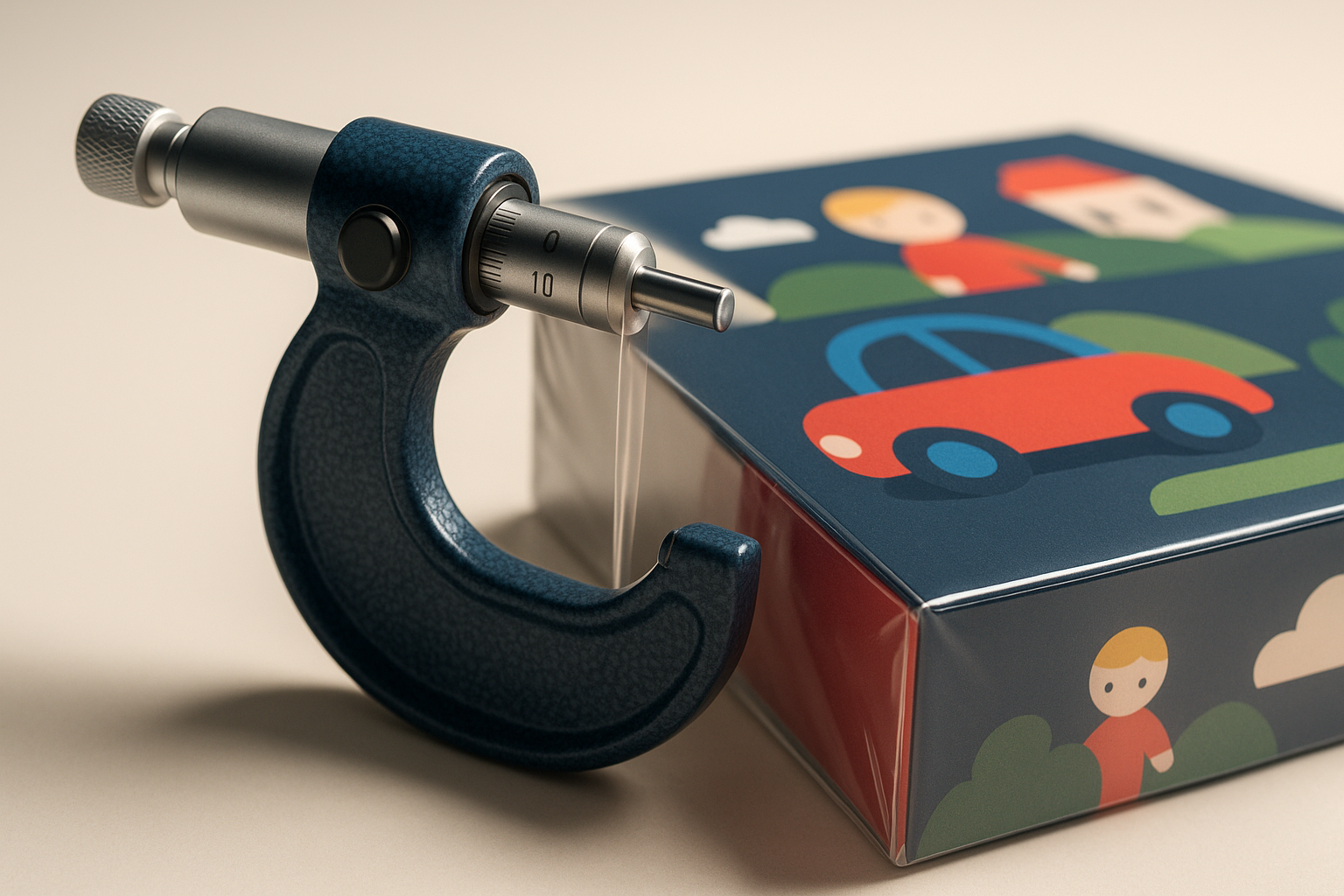
Choose materials that complement your product's image and comply with regulations. Our selection includes 250-400gsm coated art paper for cartons and options for soft-touch or gloss lamination. Utilizing techniques like spot UV or foil can enhance the visual appeal of your labels.
The Role of Packaging in Compliance
Beyond labels, the entire packaging must adhere to compliance standards. This includes ensuring that any additional elements, such as cartons or gift boxes, do not obscure mandatory label information. Consistency in packaging design helps maintain compliance across all product lines.
Benefits of a Compliance-First Approach
By prioritizing compliance, brands can avoid costly mistakes and improve their time-to-market efficiency. This approach not only safeguards your brand's reputation but also enhances consumer trust through transparency and adherence to regulations.
Key takeaways
- Wait for TTB COLA label approval before printing to avoid costly errors.
- Incorporate the approval process into your production timeline early.
- Partner with experienced manufacturers for compliant and quality printing.
- Ensure all packaging components comply with TTB regulations.
- Use compliance as a foundation for building consumer trust.
Frequently asked questions
What is the TTB COLA label approval process?
The TTB COLA label approval process involves submitting your alcohol label for review to ensure it meets federal regulations for content and format.
How long does COLA approval take?
COLA approval typically takes about 30 days, but it's wise to allow extra time for potential revisions.
What happens if I print labels before COLA approval?
Printing before approval risks non-compliance, potentially leading to costly reprints and delays in product launch.
Where can I learn more about compliant packaging options?
Visit our Wine & Spirits Packaging page to explore compliant packaging solutions tailored for the alcohol industry.