Understanding the complex regulations surrounding product packaging is crucial for ensuring compliance and avoiding costly legal issues. For baby product boxes entering the U.S. market, the Consumer Product Safety Improvement Act (CPSIA) requires specific tracking labels to be affixed. This guide explores the CPSIA tracking label packaging requirements, ASTM F963 packaging mandates, and how you can ensure your baby product boxes meet these standards.
What is CPSIA and why is it important?
The Consumer Product Safety Improvement Act (CPSIA) was enacted in 2008 to enhance safety standards for children's products. This legislation mandates stringent safety protocols, including the use of tracking labels, which help in identifying and recalling unsafe products if necessary.
Core requirements
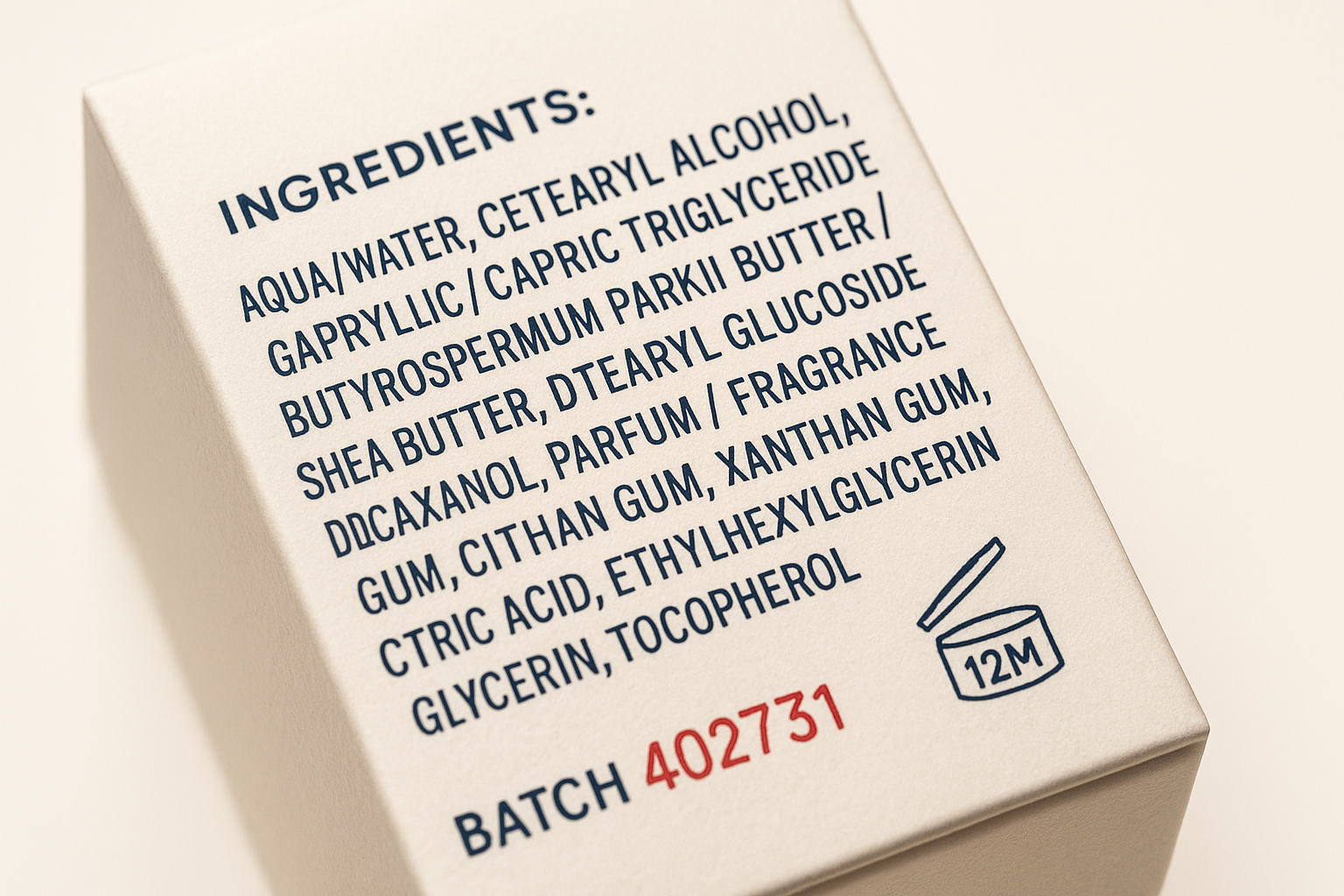
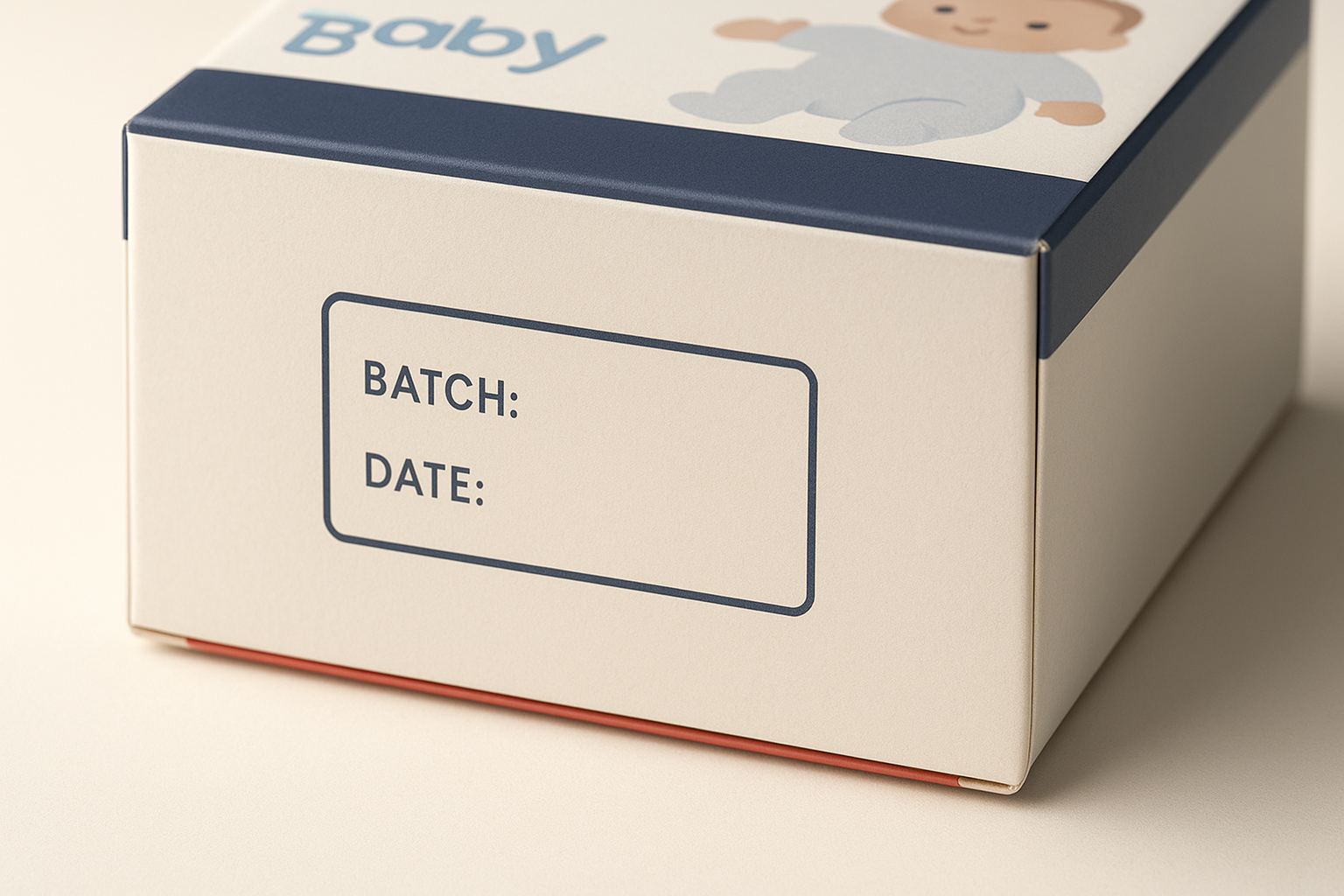
The CPSIA requires manufacturers to provide tracking labels on all children's products. These labels must include details such as the manufacturer’s name, location, date of production, and batch number. This information is crucial for tracing and recalling products efficiently in the event of safety issues.
Deciphering CPSIA tracking label packaging
Tracking labels serve as a critical link between consumers and manufacturers. By including vital information on packaging, these labels help streamline product recalls and ensure accountability.
Key components of tracking labels
- Manufacturer Information: Name and location of the manufacturer.
- Production Date: Helps identify the product's age and batch.
- Batch Number: Critical for tracing specific production batches.
ASTM F963 packaging requirements
The ASTM F963 standard is another important aspect of baby product safety. It provides guidelines for toy safety and is often applicable to baby products due to overlapping safety concerns.
Safety specifications
ASTM F963 covers various safety aspects, including choking hazards, toxic elements, and mechanical hazards. Packaging for baby products must adhere to these specifications to ensure safety and compliance.
Best practices for labeling baby product boxes
Ensuring that your packaging meets CPSIA and ASTM standards involves a combination of precise printing and material selection. Our factory in Fuzhou specializes in these requirements.
Material and printing considerations
Choosing the right materials, such as 250-400gsm coated art paper for cartons or 800-1200gsm greyboard for rigid boxes, is crucial. Printing should be done with precision, using techniques like soft-touch or gloss lamination to enhance durability and readability.
Common pitfalls in compliance
Non-compliance with CPSIA and ASTM standards can lead to significant penalties. Understanding these common pitfalls can help avoid costly mistakes.
Errors to avoid
- Incorrect or incomplete label information.
- Poor quality printing that affects legibility.
- Non-compliant materials that fail safety tests.
How our factory ensures compliance
We leverage our extensive experience and state-of-the-art facilities to ensure compliance with CPSIA and ASTM standards. Our ISO 9001 and FSC CoC certifications attest to our commitment to quality and sustainability.
Quality assurance measures
We implement rigorous quality checks at every stage of the production process, from material selection to final printing. Our presses are calibrated to G7 standards, ensuring color accuracy and consistency.
Key takeaways
- CPSIA tracking labels are mandatory for U.S. baby product boxes, requiring specific manufacturer and batch details.
- ASTM F963 compliance is crucial for ensuring product safety and avoiding legal issues.
- Choose high-quality materials and precise printing techniques to meet regulatory standards.
- Our factory in Fuzhou provides reliable, compliant packaging solutions backed by ISO 9001 and FSC certifications.
Frequently asked questions
What information must a CPSIA tracking label include?
A CPSIA tracking label must include the manufacturer's name, location, date of production, and batch number.
Are ASTM F963 standards mandatory for all baby products?
While primarily for toys, ASTM F963 standards often apply to baby products due to overlapping safety concerns.
What materials are best for baby product boxes?
We recommend 250-400gsm coated art paper for cartons and 800-1200gsm greyboard for rigid boxes to ensure durability and compliance.
How can I verify a factory's compliance capabilities?
Look for certifications such as ISO 9001, FSC CoC, and G7 for assurance of quality and compliance. Our factory is certified for these standards.