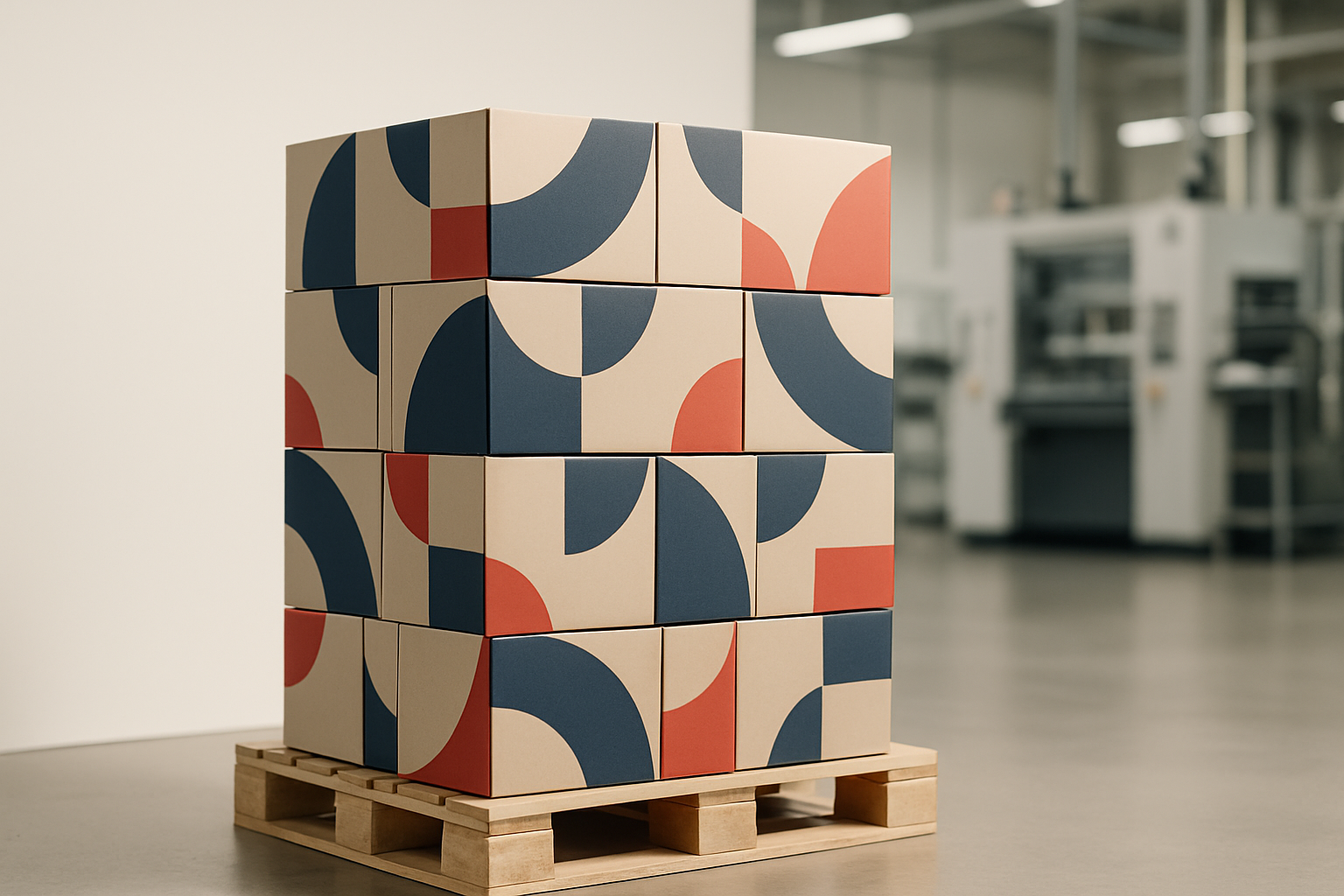

When sourcing packaging from China, the allure of competitive pricing and vast manufacturing capabilities is undeniable. However, navigating this landscape requires vigilance and a keen eye to avoid potential pitfalls. Here, we outline 12 crucial red flags to watch for when selecting a packaging supplier in China.
Inconsistent Communication
Effective communication is the backbone of successful international business relationships. If a supplier is inconsistent in their responses or struggles with clear communication, it could be a sign of deeper issues.
Language Barriers
While some language differences are to be expected, consistent miscommunication can lead to costly errors. Ensure your supplier has a proficient English-speaking contact to facilitate smooth dialogue.
Delayed Responses
If a supplier regularly takes days to respond to inquiries, this could indicate poor internal processes or a lack of prioritization for your business. Quick and clear communication is critical for timely project execution.
Lack of Certifications and Compliance
Certifications ensure that a supplier adheres to global standards and regulations. A reputable supplier should readily provide documentation such as FSC certification for sustainable sourcing or ISO standards for quality management.
Absence of Material Certifications
Ask for certifications like FSC for paper products, which guarantee environmentally responsible sourcing. Without these, you risk partnering with a supplier that does not uphold sustainable practices.
Non-Compliance with Industry Standards
Verify if the supplier complies with industry-specific standards. For instance, packaging that comes into contact with food should meet safety regulations. Non-compliance can lead to legal issues and product recalls.
Unrealistic Pricing
While competitive pricing is a key attraction, prices that seem too good to be true often are. Be wary of quotes significantly lower than the market average, as they may indicate a lack of transparency or hidden costs.
Price vs. Quality
Cheap pricing may result from the use of substandard materials or processes. Ensure that the cost savings do not come at the expense of quality, which could damage your brand's reputation.
Hidden Costs
Watch for additional charges not included in the initial quote, such as shipping, taxes, or customs duties. Clarify all potential costs upfront to avoid unpleasant surprises later.
Limited Production Capabilities
A supplier's production capabilities should align with your requirements. Inspect their equipment, such as Heidelberg presses, to ensure they can meet your quality and volume needs.
Outdated Equipment
Modern machinery like Heidelberg presses and advanced finishing techniques such as foil stamping or spot UV are essential for high-quality output. Outdated equipment may result in inferior products and longer lead times.
Insufficient Capacity
If a supplier cannot handle your order volume, it can lead to delays and compromises in quality. Ensure they have the capacity for your project, including stocks like 800gsm greyboard and 350gsm coated art paper.
Poor Quality Control
Quality assurance processes are critical in maintaining consistency and meeting specifications. A supplier with inadequate quality control may deliver products that fall short of your expectations.
Lack of In-House Quality Checks
Suppliers should have rigorous quality control processes, including Pantone matching and testing for durability. The absence of these can lead to color inconsistencies and structural weaknesses.
High Defect Rates
Request samples before committing to an order. Multiple defects in samples can indicate systemic issues in the production process.
Unreliable Lead Times
Adherence to promised lead times is crucial for your supply chain. A supplier unable to meet deadlines can disrupt your operations and customer satisfaction.
Frequent Delays
Consistent delivery delays suggest poor planning or resource allocation. Confirm the supplier's standard lead times, such as 12-25 days, and their ability to adhere to them.
Lack of Contingency Plans
Ask about their contingency plans for unforeseen disruptions. A reliable supplier should have strategies in place to minimize the impact of any delays.
Vague Contract Terms
A clear, detailed contract is essential to protect your interests. Vague terms can lead to misunderstandings and disputes over responsibilities and expectations.
Ambiguous Payment Terms
Ensure that payment terms are clearly outlined, including currency, payment schedule, and methods. Ambiguity in these areas can lead to disputes and financial risk.
Unclear Specifications
Specifications for materials, dimensions, and finishes must be detailed. Lack of clarity can result in products that do not meet your requirements.
Negative Reputation and Reviews
Research a supplier's reputation through industry contacts and online reviews. Consistent negative feedback can be a major red flag.
History of Scams or Fraud
Check for any past involvement in scams or fraudulent activities. A history of such behavior indicates a high risk of future issues.
Poor Customer Feedback
Evaluate customer reviews and feedback. Repeated complaints about quality, service, or reliability should prompt you to reconsider the supplier.
Frequently asked questions
What certifications should I look for in a packaging supplier?
Look for certifications such as FSC for sustainable materials, ISO for quality management, and any industry-specific compliance needed for your products.
How can I ensure a supplier's pricing is realistic?
Compare quotes from multiple suppliers and check for hidden costs. Ensure that pricing aligns with material and production quality expectations.
What quality control processes are important in packaging manufacturing?
Important processes include in-house quality checks, Pantone color matching, and testing for durability. These help ensure consistent and high-quality products.
How do I verify a supplier's production capabilities?
Visit the supplier's facility if possible, or request detailed information on their equipment and production processes, such as their ability to handle specific material weights and finishing techniques.