
Picking the right packaging supplier in China can make or break your product launch. Honestly, we've seen both outcomes firsthand. Good packaging protects the product, yes, but it also does serious selling work on the shelf. Before you wire a single deposit, you need to properly verify who you're dealing with. This guide walks you through the due diligence process we'd want our own customers to apply to any supplier, including us.
Assessing the Supplier's Credentials
Start with the paperwork. A supplier worth working with won't hesitate to share certifications, and if they stall or deflect, that tells you something. Look for ISO certifications as a baseline indicator of process discipline, and FSC certification if sustainable sourcing matters to your brand (it matters more every year, in our experience).
Check for Industry Certifications
ISO 9001 is the one to ask about first. It covers quality management systems and means the factory has documented, auditable procedures rather than just doing things however the shift supervisor feels that morning. For eco-conscious procurement, FSC certification confirms the paper and board stocks are traced back to responsibly managed forests. Don't skip this check. Greenwashing is rampant in packaging sourcing, and your customers will eventually notice.
Evaluate the Supplier's Experience
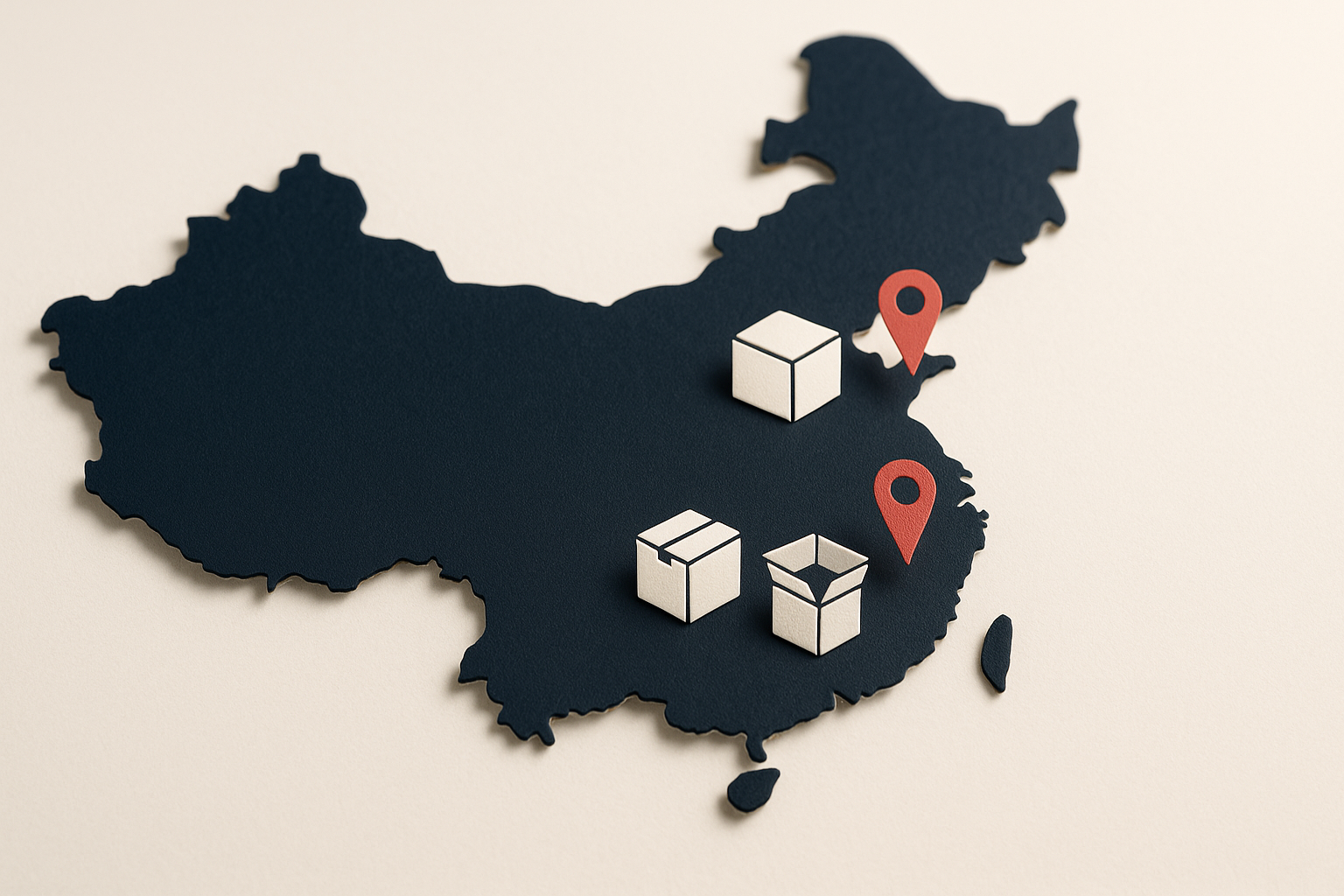
Years in business matter. A factory that's been running since 1976, like ours here in Fuzhou, has survived economic cycles, equipment generations, and client demands that a five-year-old operation simply hasn't encountered yet. Ask specifically about experience producing packaging similar to yours. Cosmetic rigid boxes, pharmaceutical folding cartons, and e-commerce shipper cases each have their own technical quirks. A supplier experienced in Custom Packaging Manufacturing across multiple categories is a safer bet than a specialist who's never seen your format.
Conducting a Supplier Audit
This is the step buyers skip when they're in a hurry. Don't. A factory audit is the single most reliable way to verify what a supplier can actually deliver, not just what their sales deck claims.
Factory Walkthrough
Walk the floor properly. Look for current-generation offset equipment, things like a Heidelberg Speedmaster XL106, and finishing lines capable of foil stamping, soft-touch lamination, and embossing with consistent registration. Check whether the Bobst die-cutter stations are well-maintained and staffed by people who clearly know what they're doing. Capacity matters too. A factory running three shifts on full order books sounds impressive until your rush job gets bumped. Ask directly about available capacity for your projected volumes. Watching a foil stamping line run a live job, for example, allows you to check registration consistency across sheets. That's exactly the right instinct for verifying quality.
Review Quality Control Processes
Ask to see actual QC documentation, not a brochure about QC. You want to see Pantone matching logs, GSM weight verification records for substrates like 800gsm greyboard and 350gsm coated art paper, and records of what happens when a batch fails inspection. The short answer is: good factories document failures just as carefully as they document passes. That's how you know the system is real rather than decorative.
Reviewing Sample Work
Never commit to a production run without seeing physical samples. Photos lie. Your monitor's color profile lies. The actual box in your hand doesn't.
Product Samples
Request samples that genuinely match your spec, same substrate, same finish, same approximate dimensions. Evaluate the cut precision at the corners, the color accuracy against your Pantone references, and how the lamination feels. Run your fingernail along the score lines. Check whether spot UV sits cleanly within its boundaries or bleeds slightly at the edges. Compare everything against your brand standards document with actual numbers, not just gut feeling.
Case Studies
Ask for references from clients in your sector or with comparable packaging complexity. Between you and me, a supplier who can only show you generic folding carton samples when you're sourcing rigid gift boxes with magnetic closures is not the right factory, regardless of how good the price looks. Specific case studies reveal whether they've genuinely solved the technical problems your format presents.
Verifying Production Capabilities
Credentials and samples confirm quality. This section confirms whether they can actually deliver your volume, on time.
Capacity and Lead Times
Get lead times in writing and understand what's included. Our standard lead times run 12 to 25 days, with the lower end covering simpler formats like two-color folding cartons in modest quantities, and the upper end covering complex rigid boxes with multiple finishes on larger runs. Some suppliers quote 10 days knowing they'll need 20. Push for a breakdown: pre-press, printing, finishing, assembly, QC, packing. A supplier who can walk you through each stage is a supplier who actually understands their own process.
Material Sourcing
Dig into where the materials come from. We use Sun Chemical and DIC inks, sourced through verified distributors, and our board stocks come from mills we've worked with for years. If a supplier can't name their ink supplier or explain their greyboard sourcing, that's a gap. FSC-certified paper requires a full chain of custody, not just a certificate on the wall. Ask to see the material traceability documentation if sustainable sourcing is part of your brief.
Checking Financial Stability
Look, a supplier who's financially stretched will cut corners when margins tighten. It's not cynical to check; it's just sensible procurement.
Financial Reports
Request basic financial documentation or run a third-party credit check through a service like Dun & Bradstreet. You're not looking for a detailed audit; you're checking whether the factory has a history of payment defaults, legal disputes, or the kind of revenue instability that suggests they're one bad quarter from trouble. A long-operating factory with steady revenue is a much safer long-term partner than a newer operation with flashy equipment and shaky books.
Payment Terms
Negotiate terms that actually protect you. Letters of credit give you recourse if the goods don't match spec. Escrow arrangements, where payment releases on inspection confirmation, are increasingly common on first orders with new suppliers. We're comfortable with both, and any credible supplier should be. If a factory pushes hard against any form of buyer protection on an initial order, that's worth noting.
Establishing Communication Channels
This one gets underestimated constantly. A technically excellent factory that communicates badly will still cause you headaches. We've seen it from both sides.
Language and Cultural Considerations
Make sure there's a dedicated English-speaking contact on the factory side, someone who actually understands packaging terminology, not just a translator who can relay messages slowly. Cultural differences around directness matter too. In our experience, Chinese manufacturers will sometimes say a timeline is "possible" when they mean "difficult but we don't want to say no." Building a relationship where both sides can be direct takes a little time, but it's worth establishing early. For instance, specifying 'white' without a Pantone reference can lead to misinterpretations, as 'warm white' and 'cool optical white' are distinct. Such issues, if not caught during proof approval, can cause significant delays. Always confirm color references in detail.
Regular Updates
Set a clear reporting cadence before production starts. We typically offer update checkpoints at pre-press sign-off, post-printing, and pre-shipment QC. You don't need hourly messages, but you do need confirmed touchpoints so problems surface before they become crises. A supplier who resists structured reporting during production is a supplier who's hoping you won't notice issues until the container arrives.
Frequently asked questions
What certifications should I look for in a Chinese packaging supplier?
Look for ISO 9001 for quality management and FSC certification for sustainable materials. These indicate adherence to international standards and eco-friendly practices.
How can I verify the quality of a supplier's production?
Conduct a factory audit, review quality control processes, and request product samples. Evaluate the precision, print quality, and material consistency.
What are typical lead times for packaging suppliers in China?
Lead times can vary, but generally range from 12 to 25 days depending on the order complexity and volume. Confirm specific timelines with your supplier.
How can I ensure smooth communication with a Chinese supplier?
Establish clear communication channels, consider language and cultural differences, and set expectations for regular updates and reporting.