As the demand for sustainable cosmetic packaging grows, so too does the complexity of navigating its true costs and verifying supplier claims. Sustainability in packaging is not just a trend - it's a crucial step in reducing environmental impact, but it often comes with a price premium. Understanding these costs and ensuring your suppliers are genuinely sustainable can be challenging.
Understanding the cost structure of sustainable packaging
Sustainable packaging requires a careful balance of material costs, production processes, and certification fees. Here’s how each element contributes to the overall cost:
Material costs
Eco-friendly materials like recycled paper, biodegradable plastics, and FSC certified paper generally cost more than conventional materials. For instance, FSC certified cosmetic boxes often carry a premium due to the sustainable forestry practices involved. Similarly, PCR packaging can be more expensive due to the additional processing required to convert used materials into new forms.
Certification costs
Obtaining certifications like FSC, ISO 9001, or SGS can add to the cost. These certifications require thorough audits and compliance with stringent standards, ensuring that the materials and processes used are genuinely sustainable.
Production processes
Sustainable packaging often involves more complex production processes. For example, the use of soy-based inks or water-based coatings in printing can be costlier than traditional ink and coating options.
Why PCR packaging carries a premium
Post-Consumer Recycled (PCR) packaging is a popular choice for brands looking to enhance their sustainability credentials. However, this comes at a cost.
Additional processing
PCR materials undergo extensive processing to convert consumer waste into usable packaging materials. This involves cleaning, sorting, and reprocessing, which can drive up costs.
Supply and demand dynamics
The demand for PCR materials often outpaces supply, leading to price fluctuations. As more brands commit to sustainability goals, the competition for these materials increases, further driving up costs.
Verifying supplier claims to avoid greenwashing
Greenwashing - making false claims about the sustainability of products - is a significant concern in the packaging industry. Here's how to verify supplier claims:
Check certifications
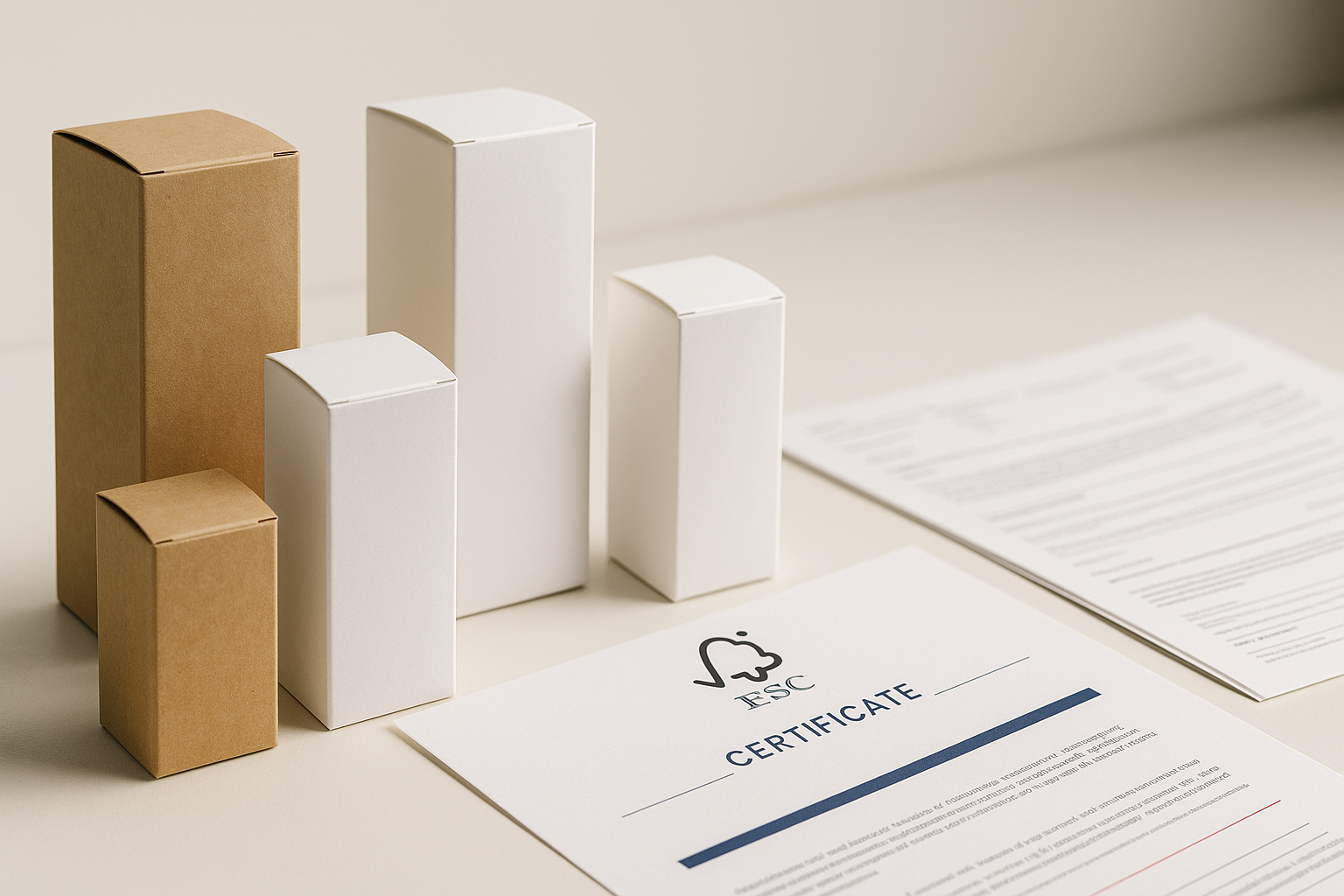
Always ask for certification documents. For instance, our factory is FSC CoC (SGSHK-COC-011817) certified, ensuring that our materials come from responsibly managed forests.
Request transparency
Demand detailed breakdowns of material sources and production processes. A reputable supplier should be able to provide this information readily.
Conduct audits
Consider conducting independent audits or requesting third-party verification to ensure compliance with sustainability standards.
| Packaging Type | Average Cost Increase (%) | Common Certifications |
|---|---|---|
| FSC Certified Boxes | 10-15% | FSC CoC, SGS |
| PCR Packaging | 15-30% | ISO 9001, SGS |
| Biodegradable Plastics | 20-25% | SGS, ISO 14001 |
Making informed decisions on sustainable packaging
To make informed decisions, consider the following:
Evaluate the lifecycle impact
Look beyond immediate costs and assess the environmental savings over the packaging’s lifecycle. This includes factors like recyclability and reduced carbon footprint.
Partner with knowledgeable suppliers
Working with experienced suppliers can provide insights and guidance on the most cost-effective sustainable options. Our full printing capabilities include eco-friendly options tailored to the cosmetics industry.
The role of volume in cost efficiency
One of the key factors in reducing the cost of sustainable packaging is volume. The larger the order, the more the fixed costs, such as tooling and plate costs, can be spread out over the units, reducing the per-unit cost.
Economies of scale
As order volume increases, the cost per unit decreases significantly. This is especially true for processes that involve high initial setup costs.
Long-term supplier relationships
Building long-term relationships with suppliers can result in better pricing and more reliable access to sustainable materials.
Key takeaways
- Sustainable packaging often incurs a premium of 10-30% due to material and certification costs.
- Verify supplier claims through certifications and demand transparency to avoid greenwashing.
- Consider the full lifecycle impact and potential cost savings from reduced environmental impact.
- Leverage volume orders to reduce per-unit costs and build strong supplier partnerships.
- Utilize our Cosmetics & Beauty Packaging expertise for sustainable solutions.
Frequently asked questions
What is the typical cost increase for sustainable packaging?
Typically, sustainable packaging can increase costs by 10-30%, depending on the materials and certifications involved.
How can I verify if a supplier's packaging is truly sustainable?
Request certifications like FSC or SGS, and ask for detailed information about the material sources and production processes.
Why is PCR packaging more expensive?
PCR packaging involves additional processing to convert waste materials into new products, and the high demand for these materials can also increase costs.
Can large order volumes reduce the cost of sustainable packaging?
Yes, larger volumes can spread fixed costs over more units, reducing the per-unit cost significantly.