The evolving landscape of sustainable packaging is reshaping how brands approach their printing needs. With growing environmental awareness, recyclable packaging printing has become a pivotal focus for businesses looking to minimize their ecological footprint. This article explores the critical components of recyclable packaging: the inks, coatings, and their end-of-life considerations.
Understanding Recyclable Packaging Printing
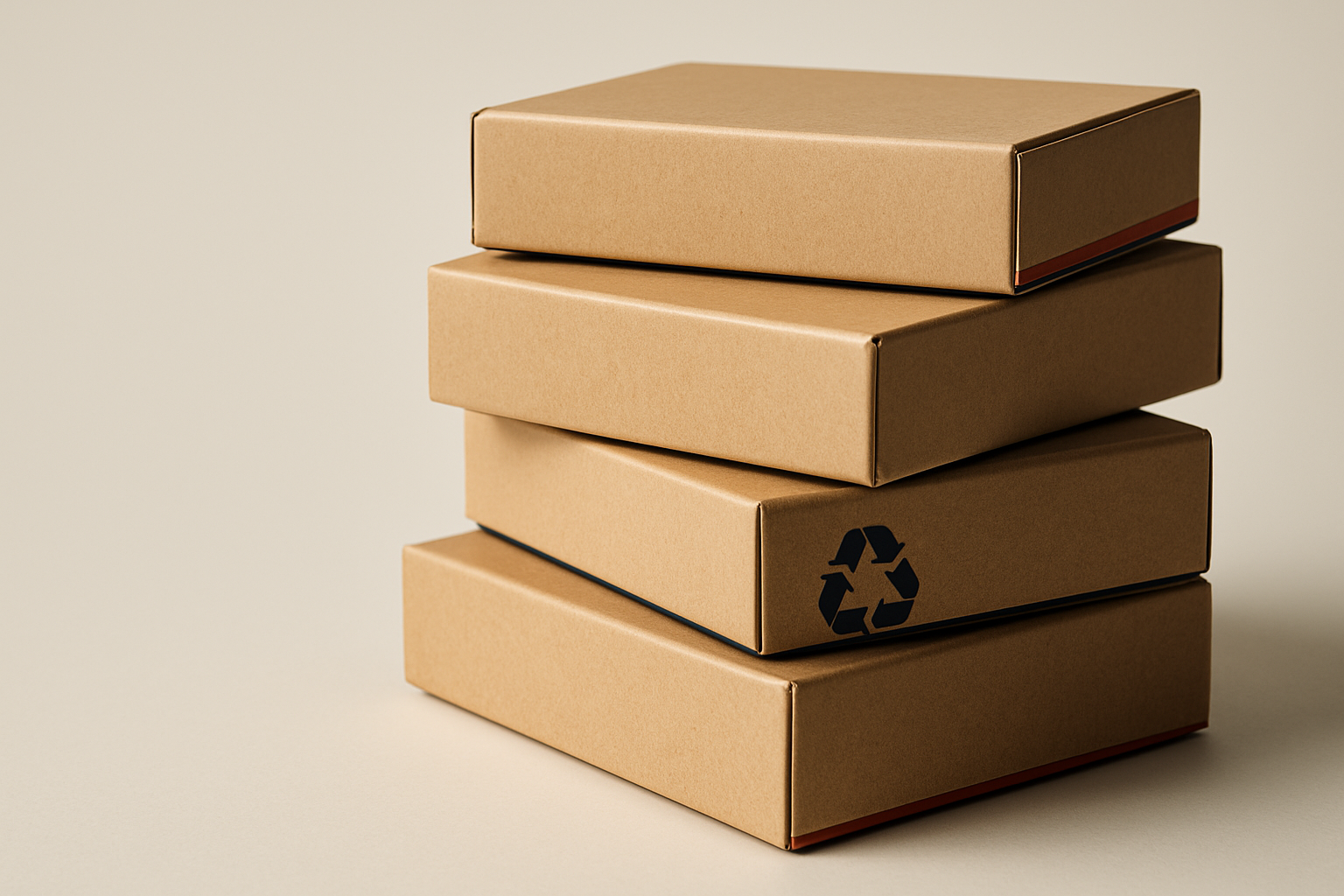
Recyclable packaging printing primarily involves materials and processes that ensure the final product is environmentally friendly. The objective is to create packaging that can be easily recycled without compromising the quality or safety of the contents.
Why Choose Recyclable Packaging?
Brands are increasingly opting for recyclable packaging to meet consumer demand for sustainable products. This choice not only reduces environmental impact but also enhances brand reputation. By integrating recyclable materials, companies contribute to a circular economy, ensuring that resources are reused and waste is minimized.
Eco-Friendly Inks: The Cornerstone of Sustainable Printing
Traditional inks can contain volatile organic compounds (VOCs) and heavy metals, which are harmful to the environment. Eco ink printing uses alternatives that are safer and more sustainable.
Types of Eco-Friendly Inks
There are several types of eco-friendly inks available:
- Water-based inks: These inks are free from harmful chemicals and are suitable for a wide range of substrates, including paper and cardboard.
- Soy-based inks: Derived from soybeans, these inks are renewable and reduce reliance on petroleum-based products.
- UV inks: Although not inherently eco-friendly, UV inks are cured using ultraviolet light, reducing emissions compared to solvent-based inks.
Comparing Ink Types
| Ink Type | Environmental Impact | Suitable Substrates |
|---|---|---|
| Water-based | Low | Paper, Cardboard |
| Soy-based | Moderate | Paper, Cardboard |
| UV | Varies | Plastic, Metal |
Sustainable Coatings for Packaging
Coatings play a crucial role in protecting printed materials and enhancing their appearance. Sustainable coatings are designed to be recyclable and biodegradable, reducing environmental impact.
Types of Sustainable Coatings
Common sustainable coatings include:
- Water-based coatings: These are free from solvents and provide a high-gloss finish, enhancing both protection and recyclability.
- Biodegradable coatings: Made from natural materials, these coatings break down more easily in the environment.
- Aqueous coatings: Offering protection against scuffing and smudging, they are environmentally friendly and suitable for various applications.
The End-of-Life Considerations for Recyclable Packaging
End-of-life considerations are vital for ensuring that packaging does not contribute to landfill waste. Proper disposal and recycling processes are critical.
Recycling Processes
Recycling involves collecting and processing materials to create new products. For packaging, this means ensuring that the materials used can be easily separated and reprocessed.
Biodegradability and Compostability
Packaging that is biodegradable or compostable breaks down naturally, reducing landfill burden. These materials must meet specific standards to be classified as such, ensuring they decompose within a certain timeframe.
Current Trends in Recyclable Packaging
As sustainability becomes a core business strategy, several trends are emerging in recyclable packaging.
Minimalistic Design
Minimalistic packaging reduces material use and simplifies recycling. By focusing on essential elements, brands can cut down on waste and improve recyclability.
Smart Packaging
Incorporating technology into packaging can enhance recyclability. For instance, QR codes can provide recycling instructions, encouraging proper disposal by consumers.
Our Approach to Recyclable Packaging
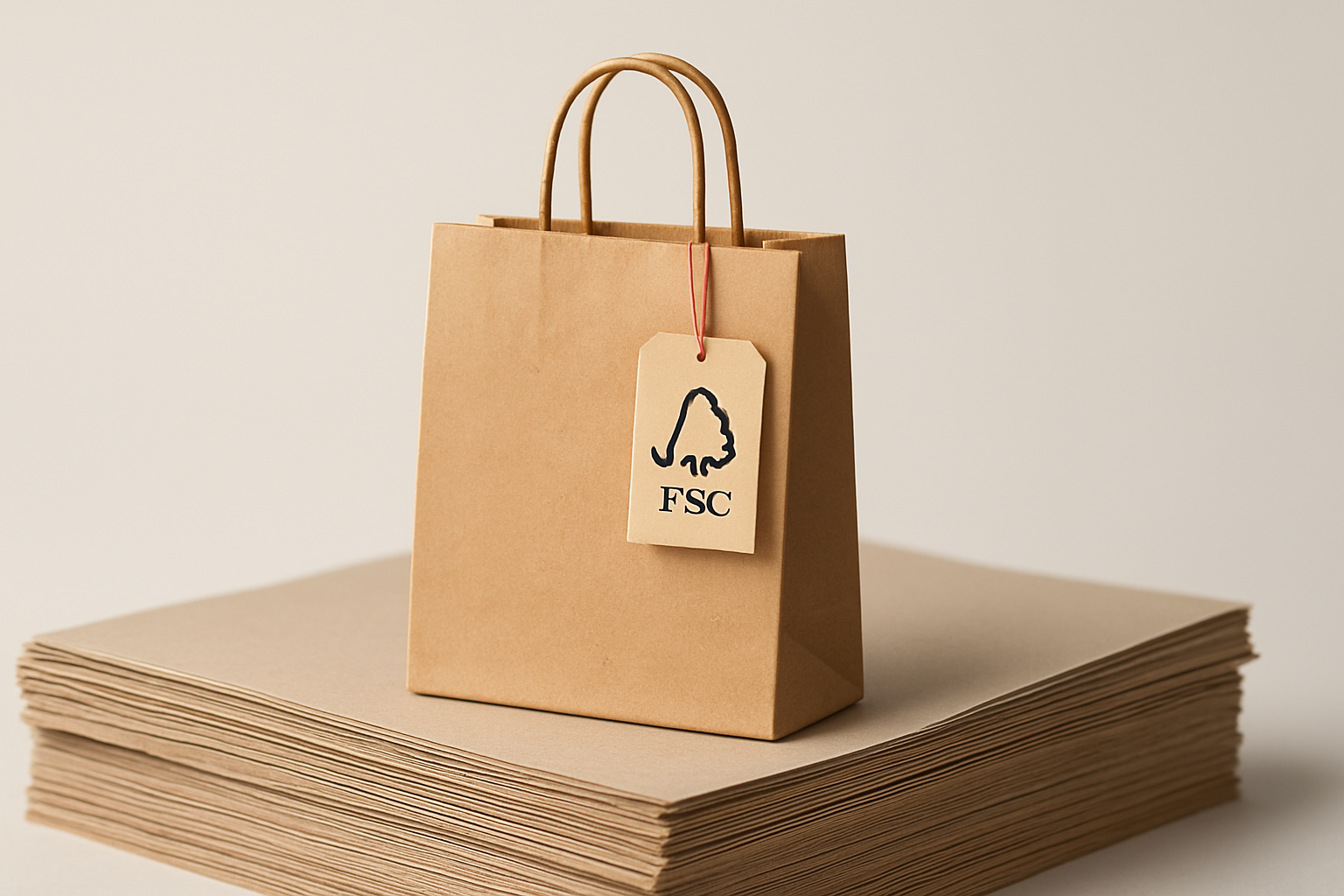
At our Fuzhou facility, we prioritize sustainable practices. Our Custom Packaging Manufacturing uses FSC-certified materials and eco-friendly inks to ensure that our packaging solutions meet global sustainability standards. We are ISO 9001 and G7 certified, underscoring our commitment to quality and environmental responsibility.
Materials We Use
We offer a range of substrates, including 800-1200gsm greyboard for rigid packaging and 250-400gsm coated art paper for cartons. Our focus is on materials that are recyclable and sourced sustainably.
Key Takeaways
- Recyclable packaging printing uses eco-friendly inks and coatings to minimize environmental impact.
- Water-based and soy-based inks are preferred for their low environmental footprint.
- Sustainable coatings include water-based and biodegradable options that enhance recyclability.
- Proper end-of-life management, including recycling and biodegradability, is crucial for sustainable packaging.
- Our factory in Fuzhou offers a full range of sustainable packaging solutions, from rigid boxes to printed cartons.
Frequently asked questions
What are the benefits of using eco-friendly inks?
Eco-friendly inks reduce harmful emissions and environmental impact, while often providing vibrant colors and durability comparable to conventional inks.
Can all coatings be recycled?
Not all coatings are recyclable. Water-based and biodegradable coatings are designed to be more compatible with recycling processes, unlike solvent-based alternatives.
How do I ensure my packaging is recyclable?
Work with manufacturers who use recyclable materials and processes, and clearly label packaging with recycling instructions for consumers.
What certifications should I look for in a packaging manufacturer?
Look for certifications like ISO 9001, FSC CoC, and G7 to ensure quality, sustainability, and color management excellence.