Pick the wrong packaging and you'll pay for it, in returns, in damaged goods, in lost shelf appeal. We've been running this factory in Fuzhou since 1976, and honestly, the question we get most from new clients is some version of: "what's the difference between these box types, and which one do I actually need?" Let's cut through it properly.
Understanding Rigid Boxes
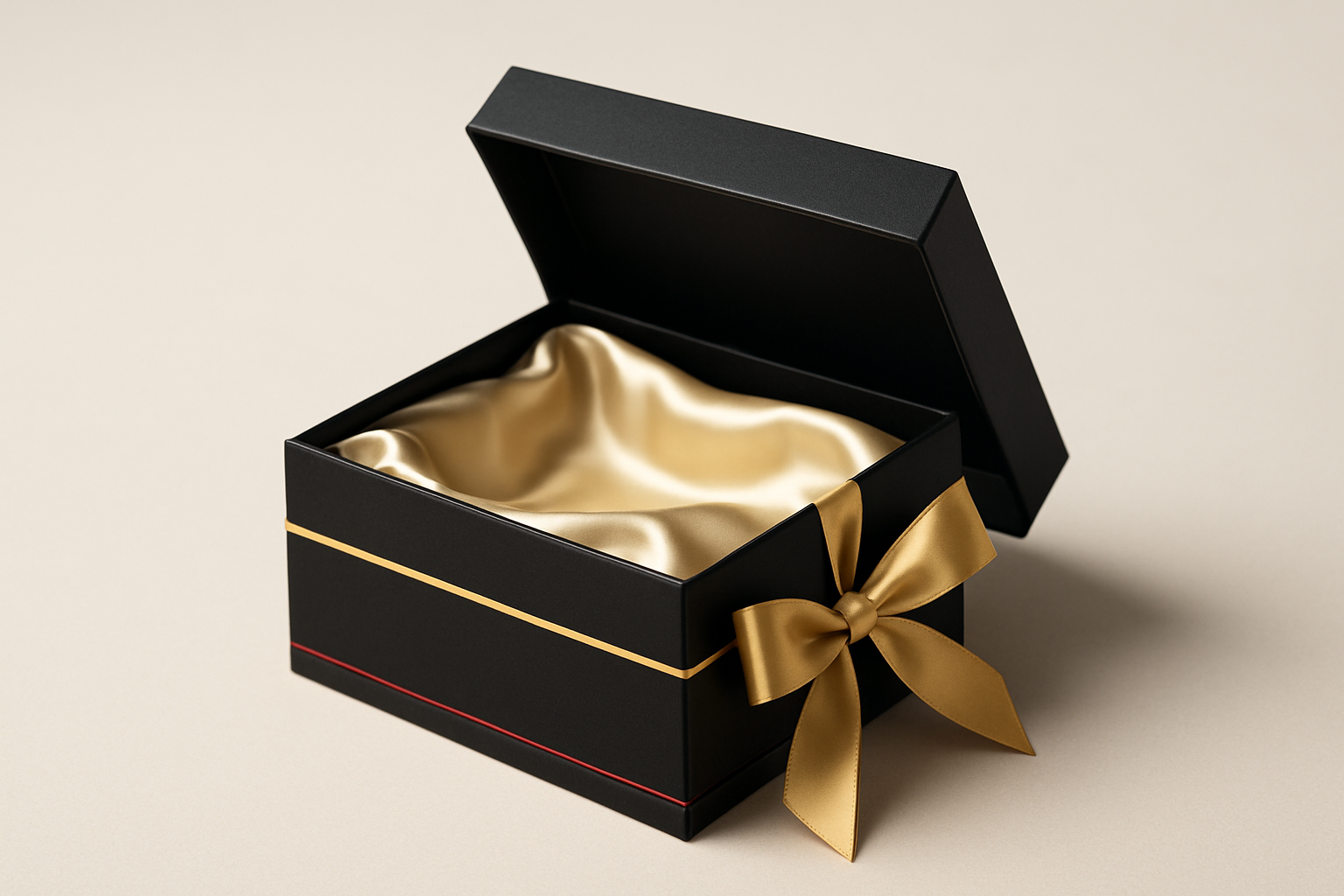
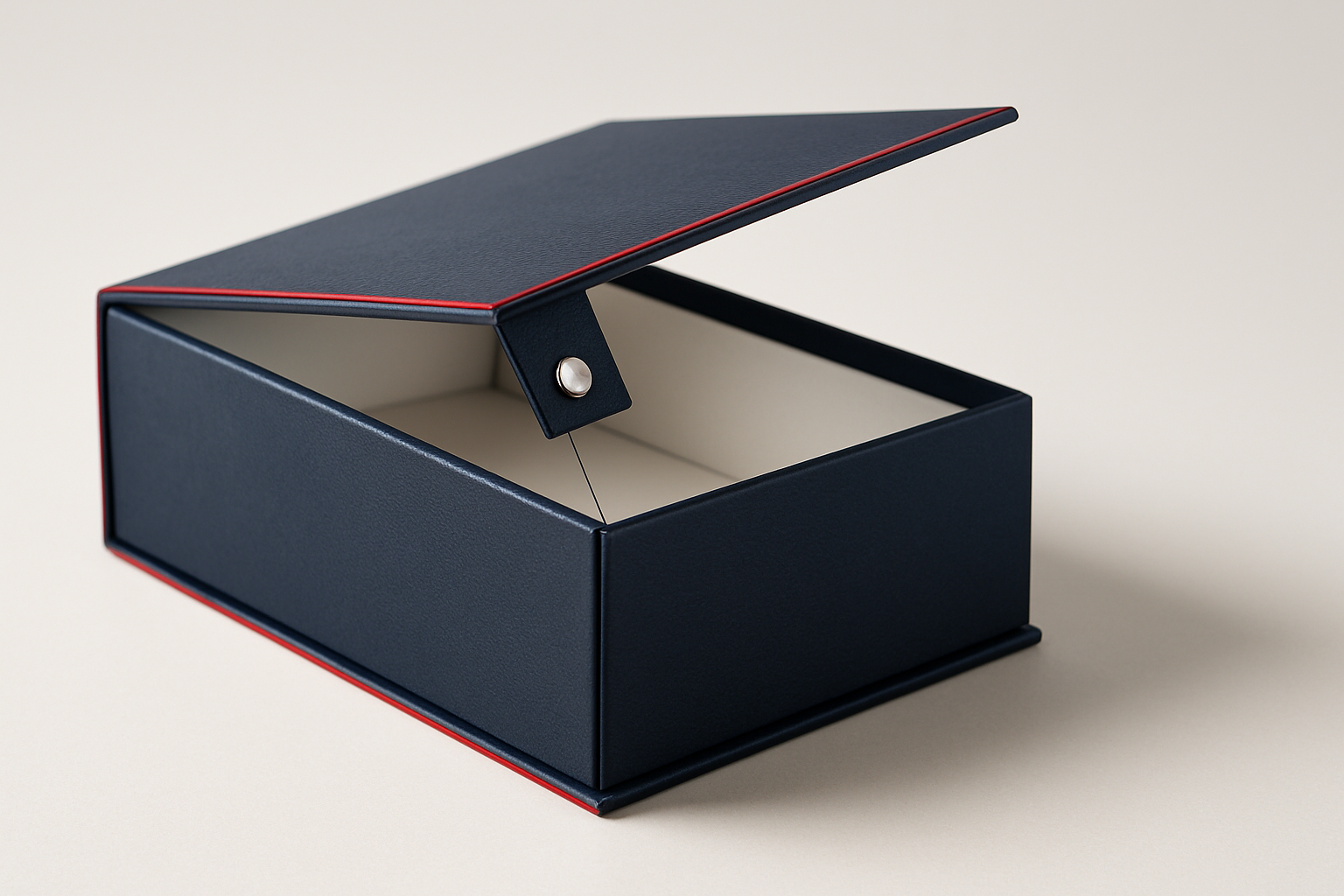
Rigid boxes are the premium end of the spectrum. They're built from high-density greyboard, typically 800gsm in our setup, and that thickness is what gives them that satisfying, substantial feel the moment someone picks one up. They don't collapse. They don't flex. That's the point.
Construction and Design
The build process has two main stages. First, we cut and score the greyboard into the box form, then we wrap it with a printed outer sheet that's already been through finishing. We run our rigid box printing on the Heidelberg Speedmaster XL106, which gives us the registration accuracy you need when you're doing tight foil work or spot UV details. Finish options include soft-touch lamination, hot foil stamping, and embossing, and in our experience, the combination of soft-touch plus spot UV is what most premium clients land on.
During production of rigid gift sets with magnetic closure lids and debossed logos, foil registration must be monitored closely. If the registration drifts slightly on a corner trim, the plate is re-registered and the section reprinted. We don't ship work we're not happy with.
Applications
High-end electronics, cosmetics, spirits, jewellery. Basically anything where the unboxing moment is part of the product experience. The box itself signals value before the customer even sees what's inside.
Folding Cartons: Versatile and Cost-Effective
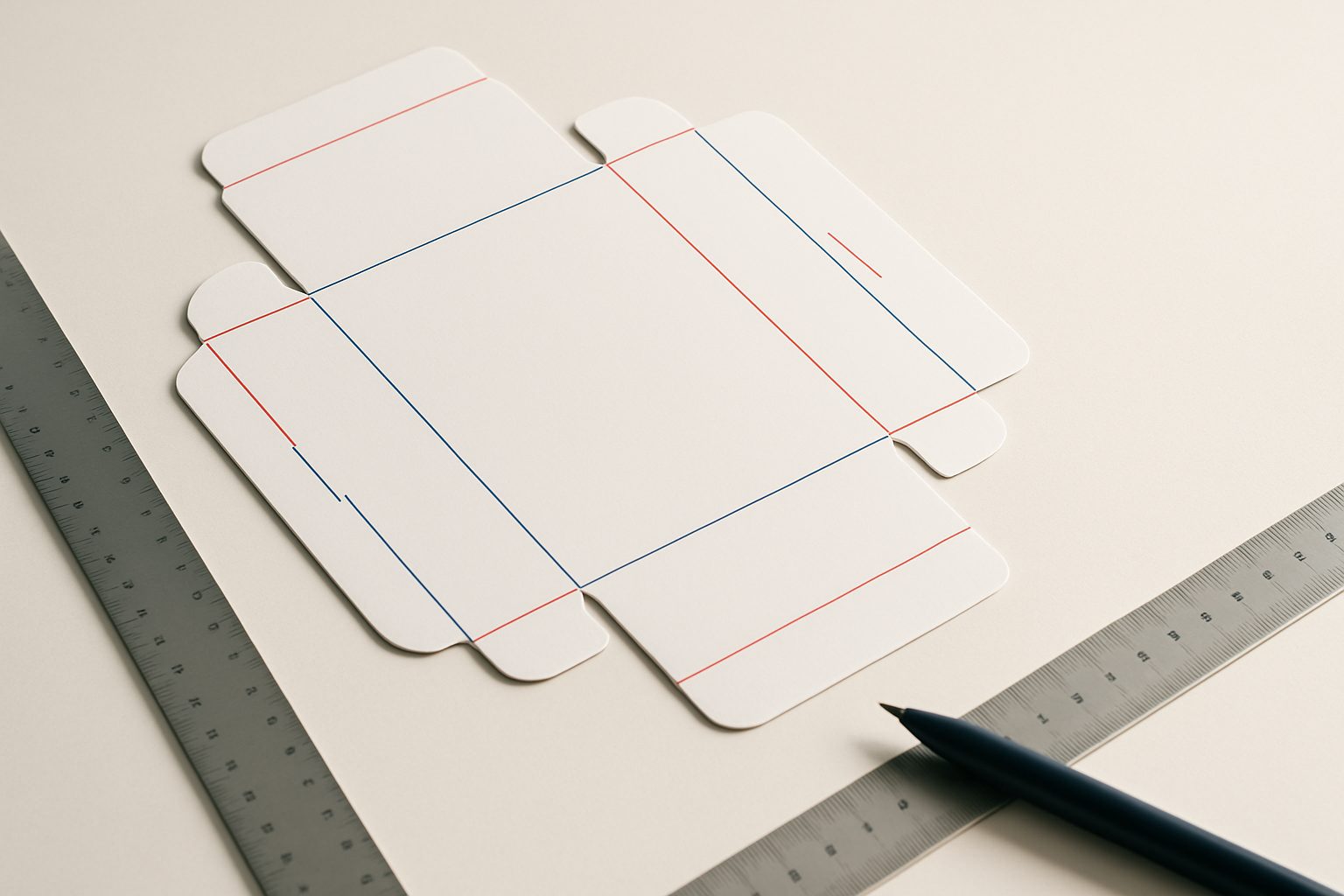
Folding cartons are the workhorse of retail packaging. They're cut from a single sheet of paperboard (usually 350gsm coated art paper for us), printed, die-cut, and shipped flat. Your team assembles them on the line. That flat-pack nature is a real advantage when you're managing warehouse space.
Key Features
Because they start as a single flat sheet, folding cartons are far cheaper to store and freight before use. We cut them on our Bobst die-cutter, which handles complex shapes cleanly at volume. You've got plenty of printable surface area for branding, regulatory text, barcodes, all of it. Sun Chemical inks across the board for colour consistency, with Pantone matching as standard when you need it.
Common Uses
Pharmaceuticals, food, personal care, OTC products. Between you and me, if you're a startup trying to keep unit costs down while still hitting a clean retail look, folding cartons are almost always the right call. For pharmaceutical clients needing blister-card outer cartons with strict regulatory print requirements and tight budgets, running them on 350gsm SBS board with DIC inks meets every compliance spec while keeping the per-unit cost low. That's what folding cartons are for.
Corrugated Boxes: The Shipping Workhorse
Corrugated is structural. It's not trying to be beautiful; it's trying to keep your product alive during transit. And it does that job extremely well.
Structure and Strength
The construction is a fluted corrugated medium bonded between two flat liner sheets. That flute, whether it's B-flute, C-flute, or E-flute, is what absorbs impact and distributes compressive load. We spec the flute grade based on your product weight and how it's being shipped. Heavier items, longer transit routes, rough handling, you go heavier on the flute. Simple as that.
Industrial and Retail Use
E-commerce, industrial components, bulk food shipping, retail shelf-ready packaging. Corrugated can also be printed, flexographic printing works well for logos and basic branding on outer cases. And the sustainability story is strong: our corrugated stock is available in FSC-certified and high-recycled-content options. Most corrugated boxes that leave this factory are fully recyclable.
Comparative Analysis: Rigid vs Folding Carton vs Corrugated
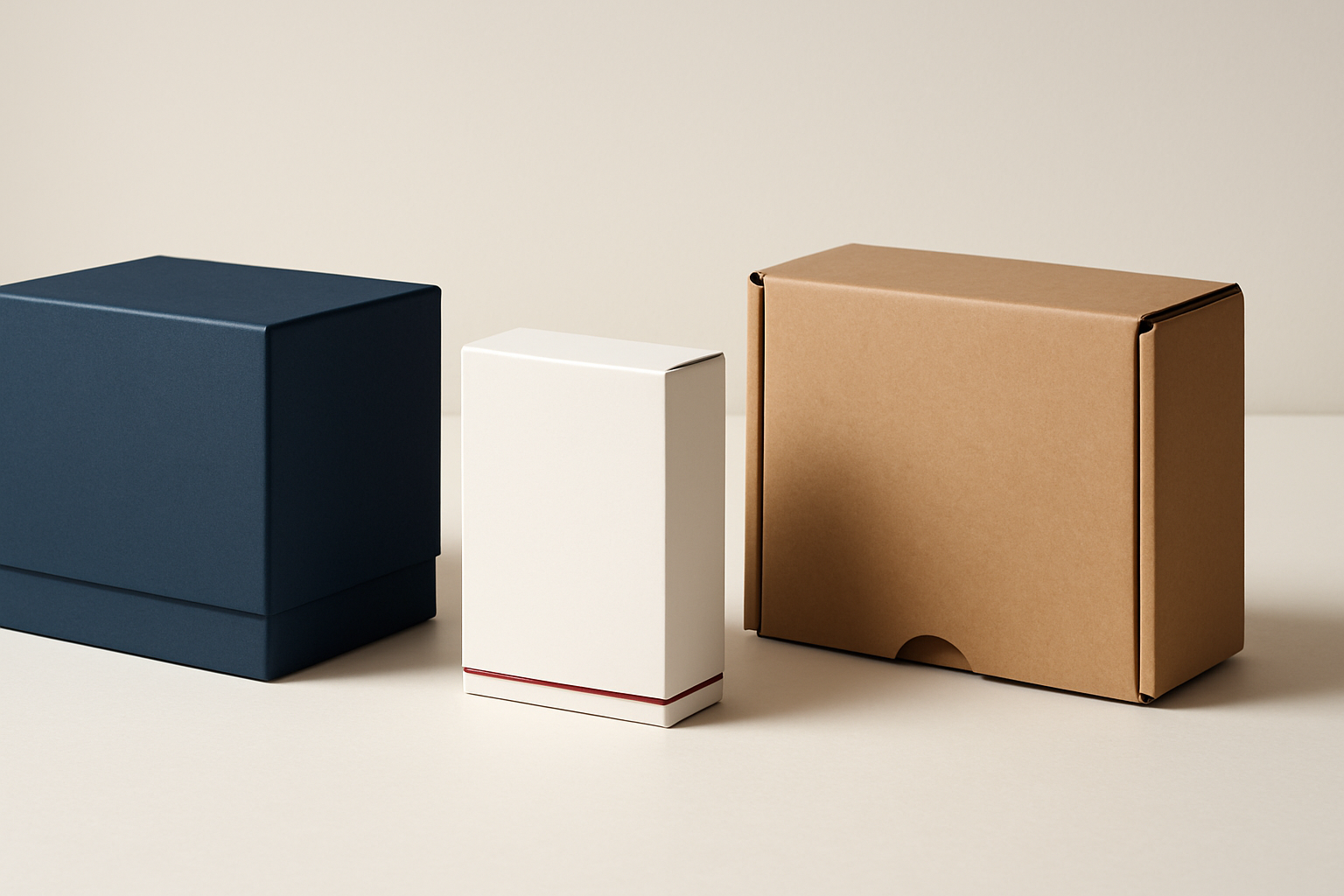
Look, here's the short answer on how these three stack up against each other. The table below covers the basics:
| Feature | Rigid Box | Folding Carton | Corrugated Box |
|---|---|---|---|
| Material | 800gsm Greyboard | 350gsm Coated Art Paper | Corrugated Flute |
| Durability | High | Moderate | High |
| Cost | Higher | Lower | Moderate |
| Customization | Extensive | High | Moderate |
| Use Case | Luxury Goods | Retail Products | Shipping |
Choosing the Right Packaging for Your Product
Honestly, the decision usually comes down to three things: what the product is, what image your brand needs to project, and how the product is getting to the end customer. Luxury goods belong in Custom Rigid Box Printing. Cost-sensitive retail products almost always land in folding cartons. Anything that needs to survive a freight journey goes into corrugated, often as a secondary outer over a folding carton or rigid box inner.
Many skincare clients initially request rigid boxes for their entire range, including basic everyday moisturiser lines. Walking through the unit economics often shows it is better to go rigid for gift sets and hero serums, and use folding cartons for everyday SKUs. The per-unit average drops significantly, and the brand hierarchy across the range actually gets clearer. That's the kind of conversation we like having.
Eco-Friendly Considerations
We offer FSC-certified board across all three box types, and we can spec recycled-content liners and wraps where the print quality allows. More clients are asking for this now, and we're set up to deliver it without compromising on finish quality. Just flag it when you request your quote.
Printing and Finishing Options
Full Pantone matching, CMYK process printing, foil stamping, soft-touch and gloss lamination, spot UV, embossing, debossing; we're not going to run out of options. The Heidelberg Speedmaster XL106 handles the sheet-fed colour work, and we've got inline quality checks throughout each run. We can make packaging that protects your product and tells your brand's story at the same time. That's the whole job, really.
Frequently Asked Questions
What is the main difference between rigid and folding cartons?
Rigid boxes are built for permanence and premium feel, using thick 800gsm greyboard construction. Folding cartons are cut from a single lighter sheet, typically 350gsm, shipped flat, and assembled at point of use. They're more affordable and well-suited to high-volume retail applications where you don't need that luxury weight.
Can corrugated boxes be customized with printing?
Yes, absolutely. Flexographic printing is the standard method for corrugated, and it handles logos, brand colours, and shipping information well. For more complex graphics on retail-facing corrugated, we can discuss digital print options depending on your run volume.
What are the lead times for each packaging type?
In our experience, rigid boxes run 18-25 days from approved artwork, folding cartons come in at 12-18 days, and corrugated is typically 15-20 days. Those windows depend on order complexity, finishing requirements, and volume. Rush timelines are sometimes possible, just ask us upfront.
Are all packaging options recyclable?
Yes. All three types can be produced with recyclable and recycled-content materials, and all three are accepted in standard paper and cardboard recycling streams. We can provide FSC chain-of-custody documentation for any of these formats if your procurement team needs it.