As the demand for environmentally friendly solutions grows, procurement managers and brand owners are increasingly seeking ways to reduce plastic in packaging. This shift not only satisfies consumer demands but also meets sustainability goals. For those sourcing from China, finding practical methods to minimize plastic use can present challenges.
Understanding Plastic-Free Packaging
Plastic-free packaging refers to packaging solutions that eliminate or significantly reduce the use of plastic materials. This approach typically involves utilizing alternatives such as paper, cardboard, and other biodegradable materials.
The Environmental Impact
The environmental impact of plastic packaging is profound, contributing to pollution and long-term ecological damage. By opting for plastic-free options, companies can reduce their carbon footprint and appeal to environmentally conscious consumers.
Materials that Reduce Plastic Use
Choosing the right materials is crucial when transitioning to plastic-free packaging. Here, we explore several viable options:
Paper and Cardboard
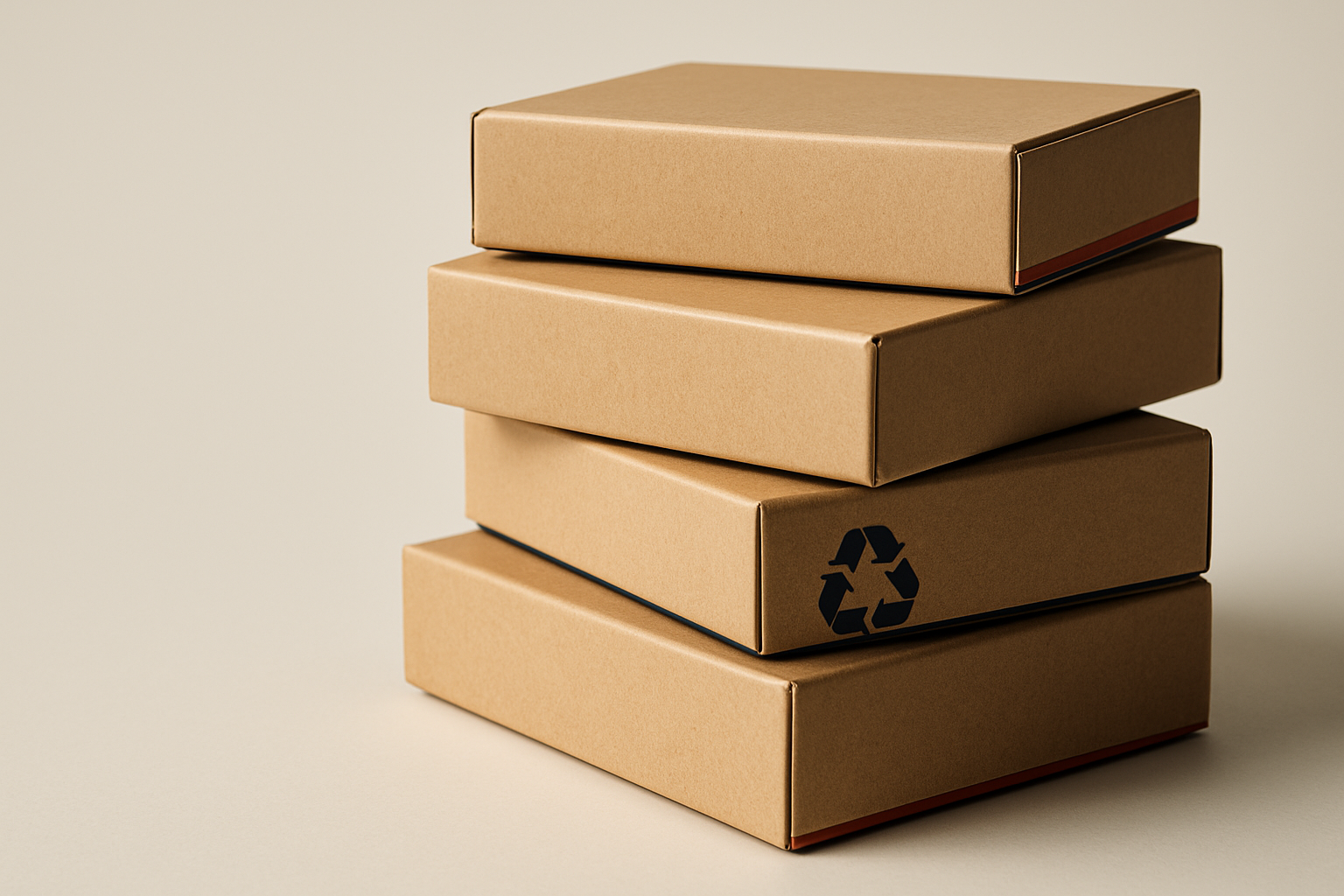
Paper and cardboard are the most common substitutes for plastic. Our factory offers coated art paper and SBS board ranging from 250-400gsm, ideal for creating sturdy yet sustainable cartons.
Kraft Paper
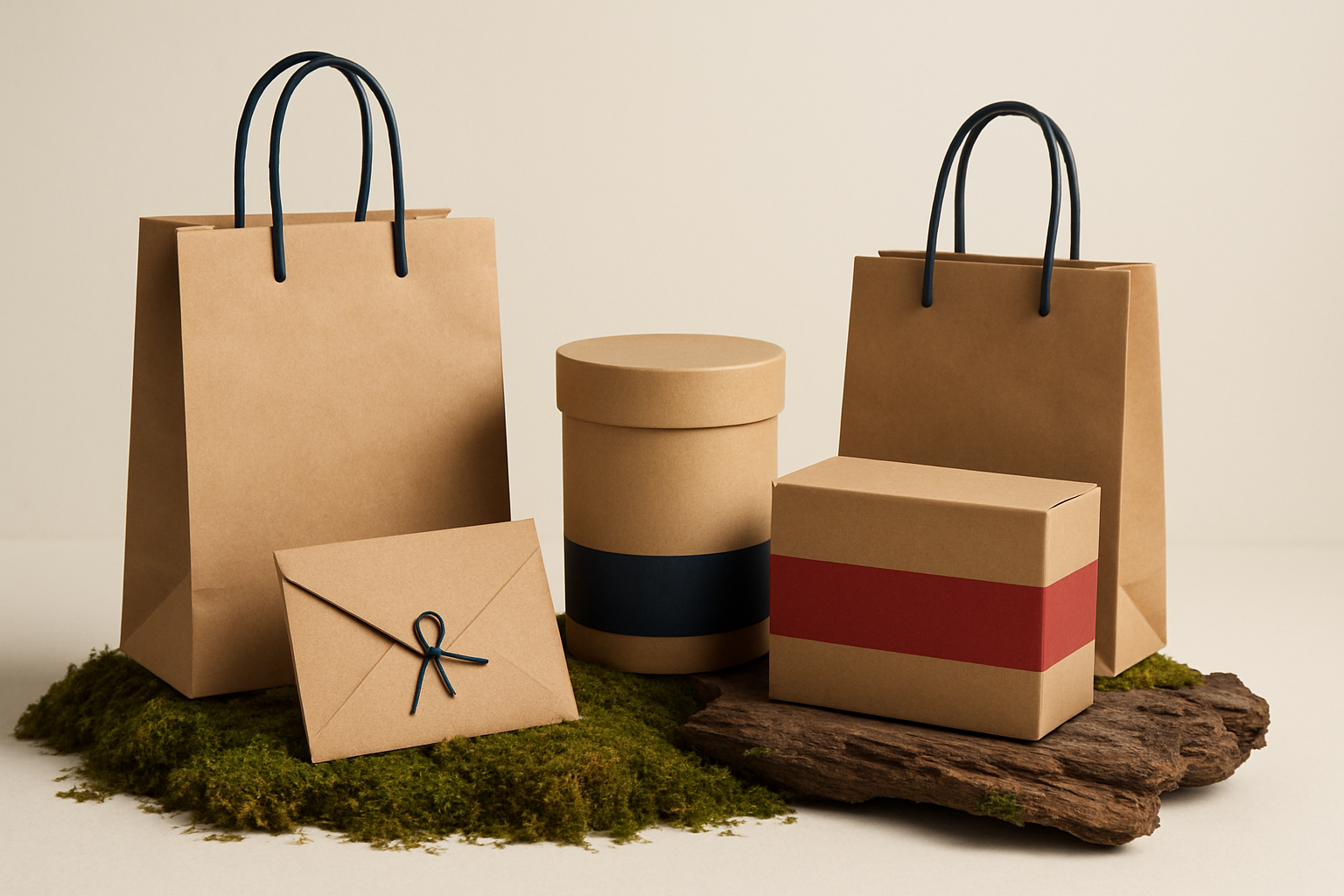
Kraft paper, available in 120-210gsm, is a popular choice for bags and wrapping materials. Its natural appearance and recyclability make it a favored option for eco-friendly packaging.
Design Strategies for Plastic Reduction
Effective design strategies can significantly reduce plastic usage without sacrificing functionality or aesthetics.
Optimizing Structure
Simplifying the structure of packaging can reduce material use. For instance, using single-material designs facilitates recycling and reduces the need for plastic components.
Innovative Closures
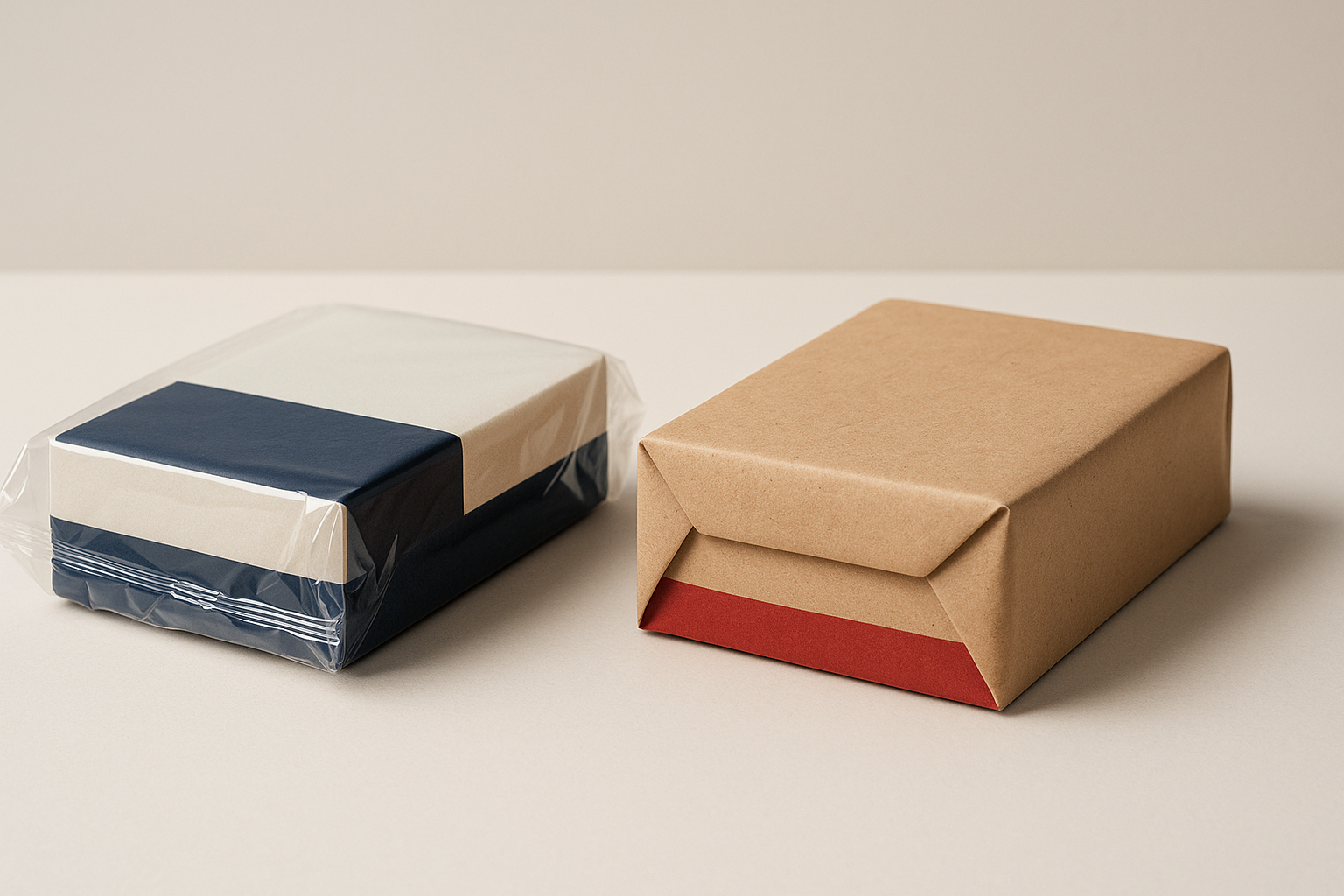
Replacing plastic closures with paper-based solutions or innovative folding techniques can further decrease plastic reliance.
Comparing Material Costs and Sustainability
Understanding the cost and sustainability of different materials helps in making informed decisions. Below is a comparison of common materials:
| Material | Cost Efficiency | Sustainability |
|---|---|---|
| Coated Art/SBS Board | Moderate | High (recyclable) |
| Kraft Paper | High | High (biodegradable) |
| Plastic | Low | Low (non-biodegradable) |
Certifications and Standards to Consider
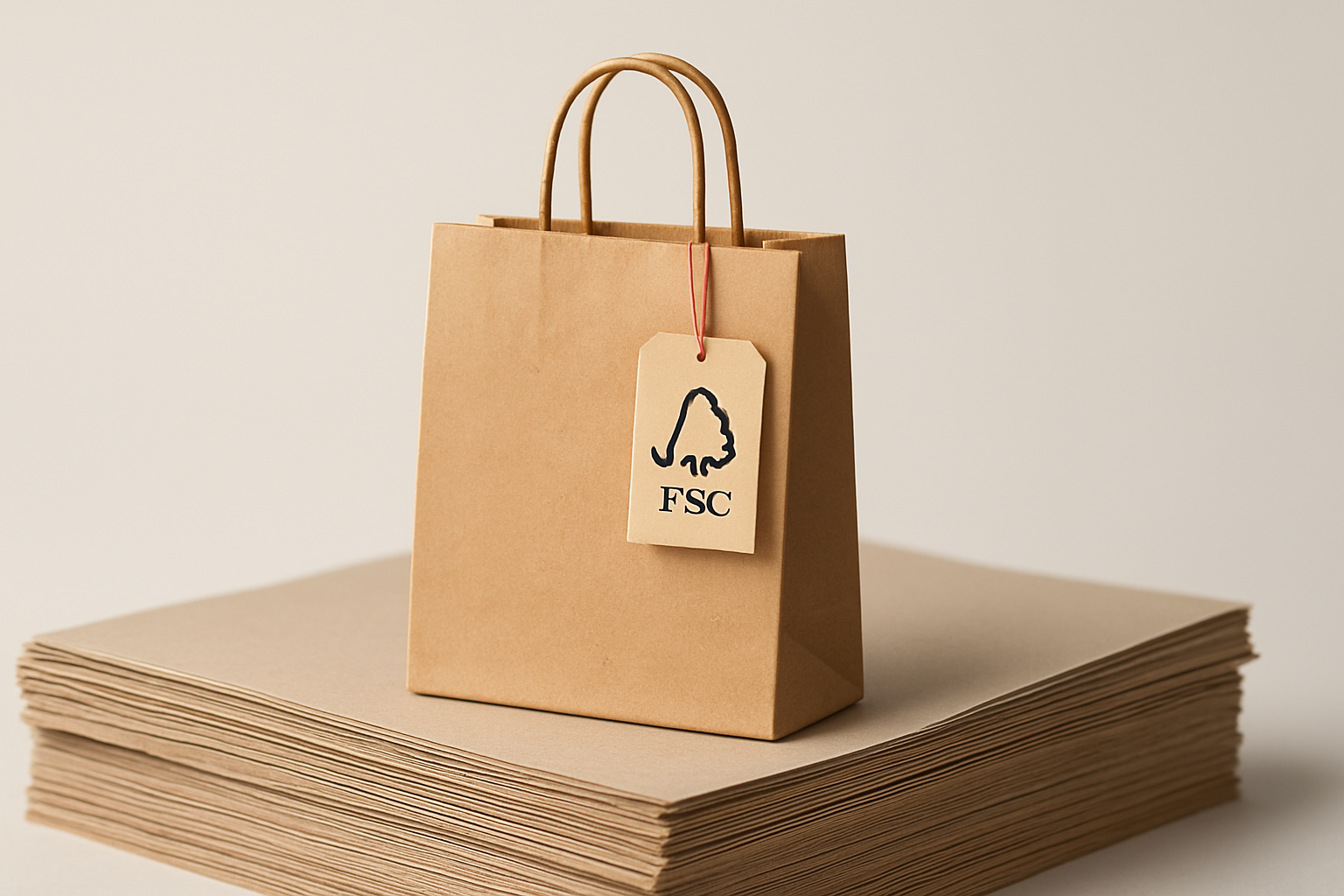
When sourcing packaging, certifications like ISO 9001 and FSC CoC (SGSHK-COC-011817) ensure that materials and processes meet environmental and quality standards.
ISO 9001
ISO 9001 certification guarantees that a manufacturer adheres to quality management principles, ensuring reliable and consistent output.
FSC Certification
FSC certification ensures that the paper products come from responsibly managed forests, supporting sustainable forestry practices.
Collaborating with Experienced Manufacturers
Partnering with manufacturers who specialize in sustainable options can facilitate the transition to plastic-free packaging.
Our expertise in Custom Packaging Manufacturing allows us to offer tailored solutions that align with sustainability goals. By leveraging our capabilities, brands can achieve better environmental outcomes.
Case Studies and Success Stories
Brands that have successfully reduced plastic usage provide valuable insights into effective strategies and outcomes.
For example, a transition from plastic to kraft paper for a leading retail brand resulted in a 30% reduction in packaging weight and improved customer perception.
Key takeaways
- Plastic-free packaging is achievable with the right materials and design strategies.
- Paper, cardboard, and kraft are excellent alternatives for reducing plastic use.
- Certifications like ISO 9001 and FSC ensure quality and sustainability.
- Collaboration with knowledgeable manufacturers maximizes environmental benefits.
- Material selection significantly impacts cost and environmental footprint.
Frequently asked questions
What are the best materials for plastic-free packaging?
Paper, cardboard, and kraft paper are among the best materials due to their recyclability and biodegradability.
How does reducing plastic packaging affect costs?
While some sustainable materials may have higher upfront costs, they often lead to savings in waste management and align with consumer preferences.
Are there certifications that verify sustainable packaging?
Yes, certifications such as ISO 9001 and FSC CoC verify that packaging materials and processes meet sustainability and quality standards.
How quickly can we transition to plastic-free packaging?
The transition timeline depends on current packaging designs and supplier capabilities. Our lead times range from 12-30 days for custom orders.