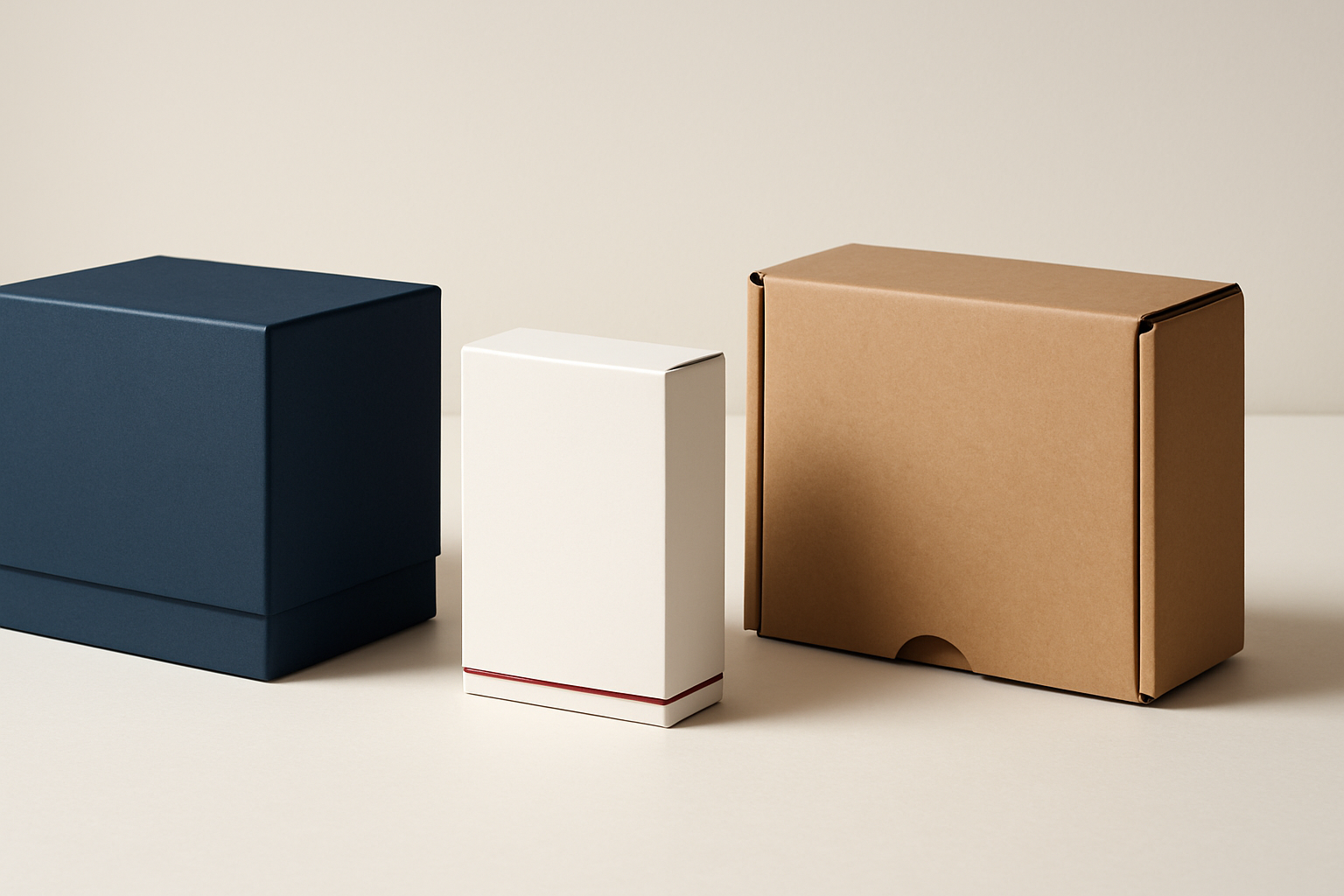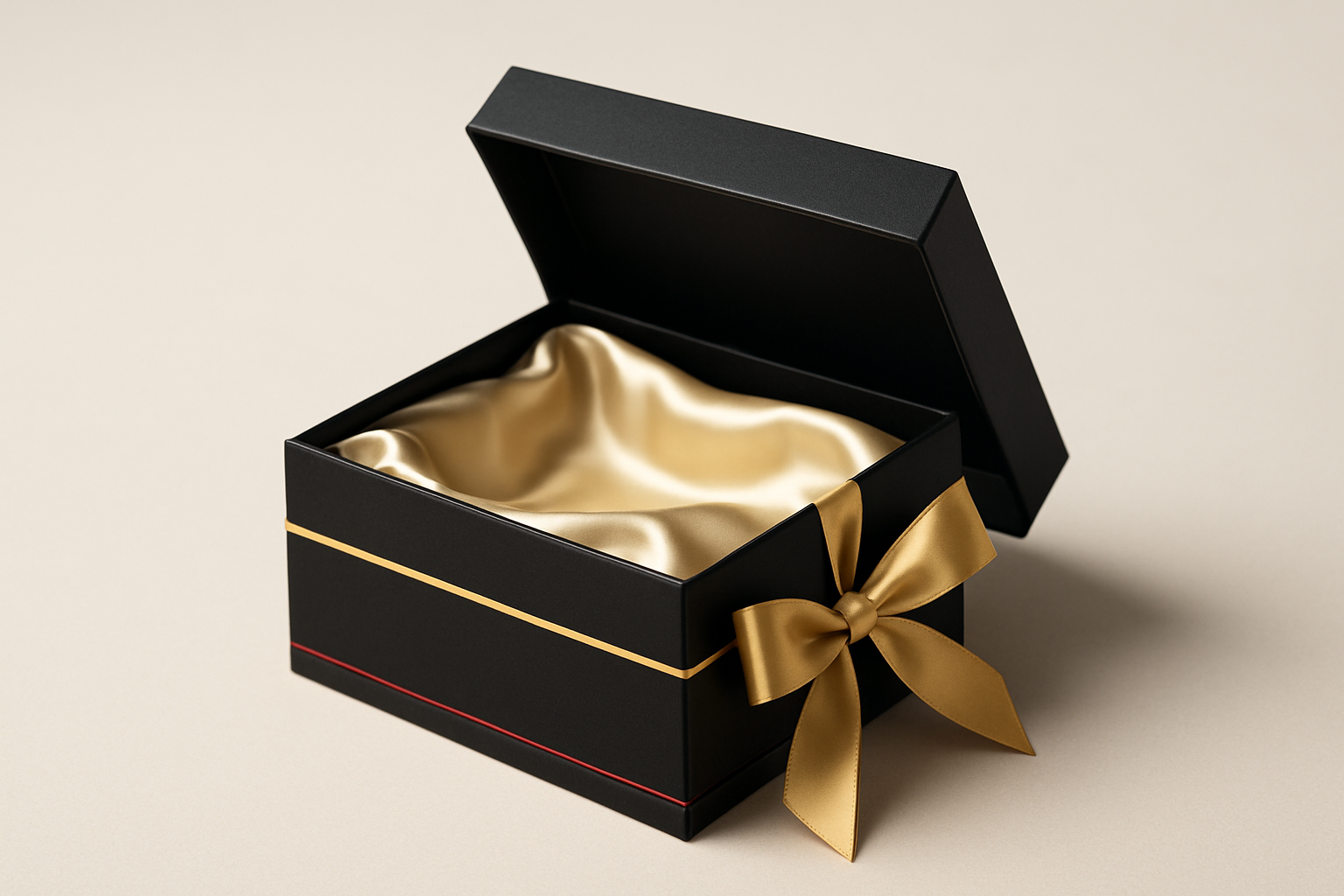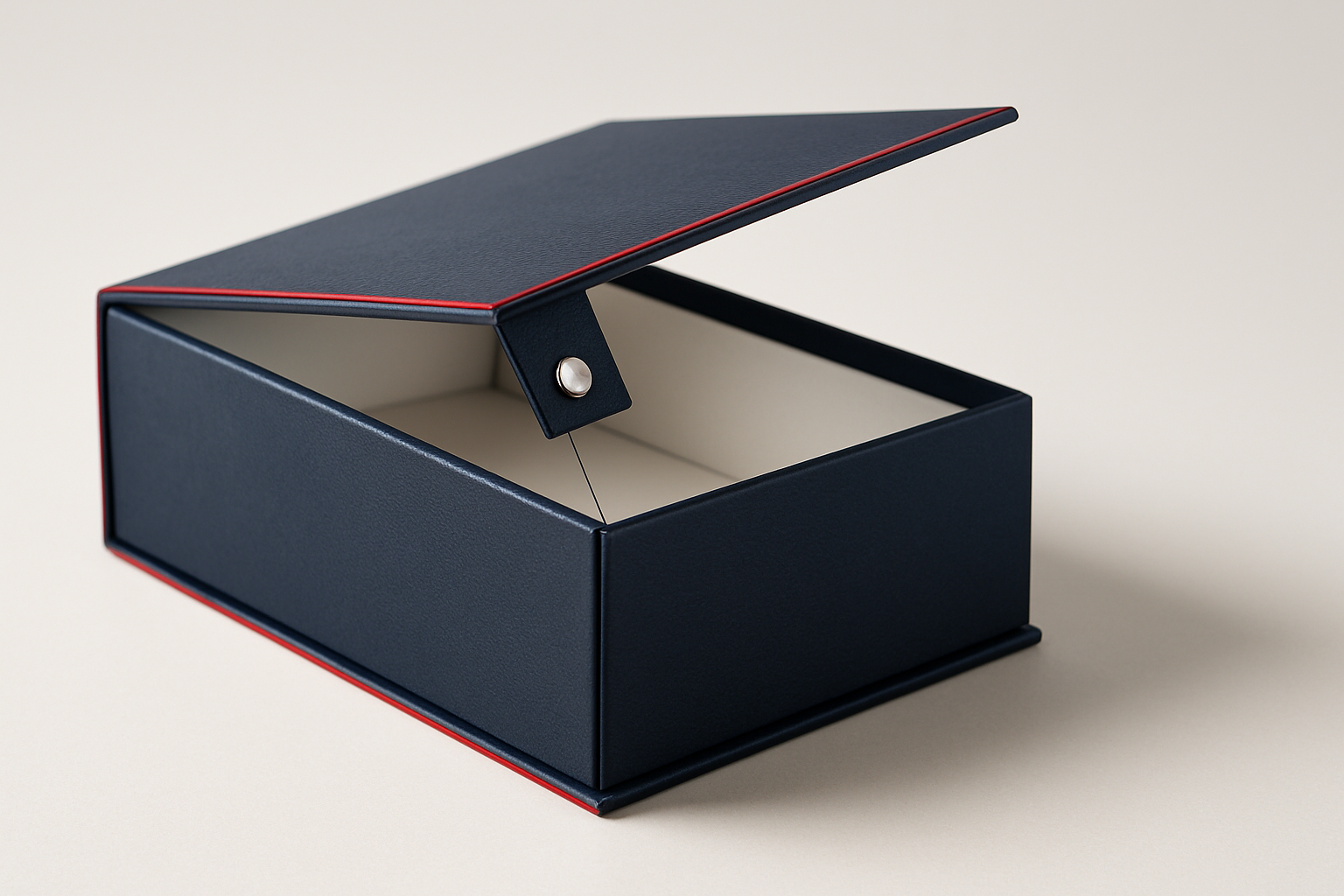

for specifying a binding type for a quality print run, the choice between PUR-bound and case-bound booklets can significantly impact the final product's durability and aesthetics. Understanding the differences between these binding methods is crucial for procurement managers, brand owners, and designers seeking high-quality booklets, especially in the context of Brochure & Catalog Printing.
Understanding PUR-bound booklets
PUR (Polyurethane Reactive) binding is a method known for its strong adhesive properties. It is ideal for projects requiring a flexible yet robust binding solution, such as 56pp booklet printing. At our Fuzhou factory, we frequently employ this technique due to its reliability and cost-effectiveness for various applications.
Advantages of PUR binding
- Strength and durability: The adhesive used in PUR binding is highly durable, making it suitable for booklets that will be frequently handled or opened flat.
- Cost-effective for medium runs: Compared to case binding, PUR is generally more economical, particularly for runs with a medium volume.
- Versatile application: PUR binding works well with coated and uncoated papers, giving designers flexibility in materials.
Ideal use cases
PUR-bound booklets are perfect for product catalogs, instructional manuals, and any document that needs to withstand repeated use. This binding type is particularly favorable in situations where cost management is crucial without compromising on quality.
Exploring case-bound booklets
Case binding, often referred to as hardcover binding, involves encasing the booklet in a rigid outer cover. This method is synonymous with premium quality and durability, making it a preferred choice for top-tier publications.
Benefits of case binding
- Premium look and feel: The rigid cover adds a luxurious touch, making the booklet suitable for high-end presentations and coffee table books.
- Enhanced longevity: The hardcover provides additional protection, ensuring the booklet can withstand the test of time.
- Customizable options: Options like foil stamping and spot UV can be applied to further enhance the booklet's appearance.
Applications best suited for case binding
Case-bound booklets are ideal for corporate reports, luxury brand catalogs, and any publication where a sophisticated presentation is required. They are also a great choice for archival materials that need to be preserved over a long period.
Comparing PUR-bound and case-bound booklets
To aid in decision-making, the following table outlines the key differences between PUR-bound and case-bound booklets:
| Feature | PUR-bound | Case-bound |
|---|---|---|
| Durability | High | Very High |
| Cost | Lower | Higher |
| Flexibility | Good | Limited |
| Visual Appeal | Standard | Premium |
Choosing the right binding for your project
When selecting between PUR and case binding, consider the project's purpose, budget, and required longevity. If the booklet is intended for repeated handling and needs to be cost-effective, PUR is the optimal choice. For projects where presentation and durability are paramount, such as high-end catalogs, case binding is the superior option.
Ensuring quality in booklet binding
Regardless of the binding type selected, ensuring quality necessitates adherence to industry standards like ISO 9001 and FSC CoC. Our factory maintains these certifications, guaranteeing consistent, high-quality production. Additionally, we offer customization options such as soft-touch, matte, or gloss lamination, further enhancing the booklet's appeal.
Key takeaways
- PUR-bound booklets offer flexibility and cost-effectiveness for medium-volume runs.
- Case-bound booklets provide a premium finish suitable for high-end presentations.
- Consider project purpose, budget, and longevity when choosing a binding type.
- Our factory's adherence to industry standards ensures consistent quality.
- Customization options like lamination and spot UV are available for both binding types.
Frequently asked questions
What is the main advantage of PUR binding over case binding?
PUR binding is more cost-effective and offers flexibility in handling, making it suitable for medium-volume runs that require durability.
When should I choose case binding for my booklet?
Opt for case binding when the booklet requires a premium look and needs to withstand prolonged use, such as in luxury brand catalogs or corporate reports.
What paper types can be used with PUR binding?
PUR binding is versatile and can accommodate a variety of paper types, including coated and uncoated papers, allowing for diverse design options.
How does our factory ensure the quality of bound booklets?
We adhere to ISO 9001 and FSC CoC standards, ensuring consistent quality. Our factory offers extensive customization options to meet specific client needs.