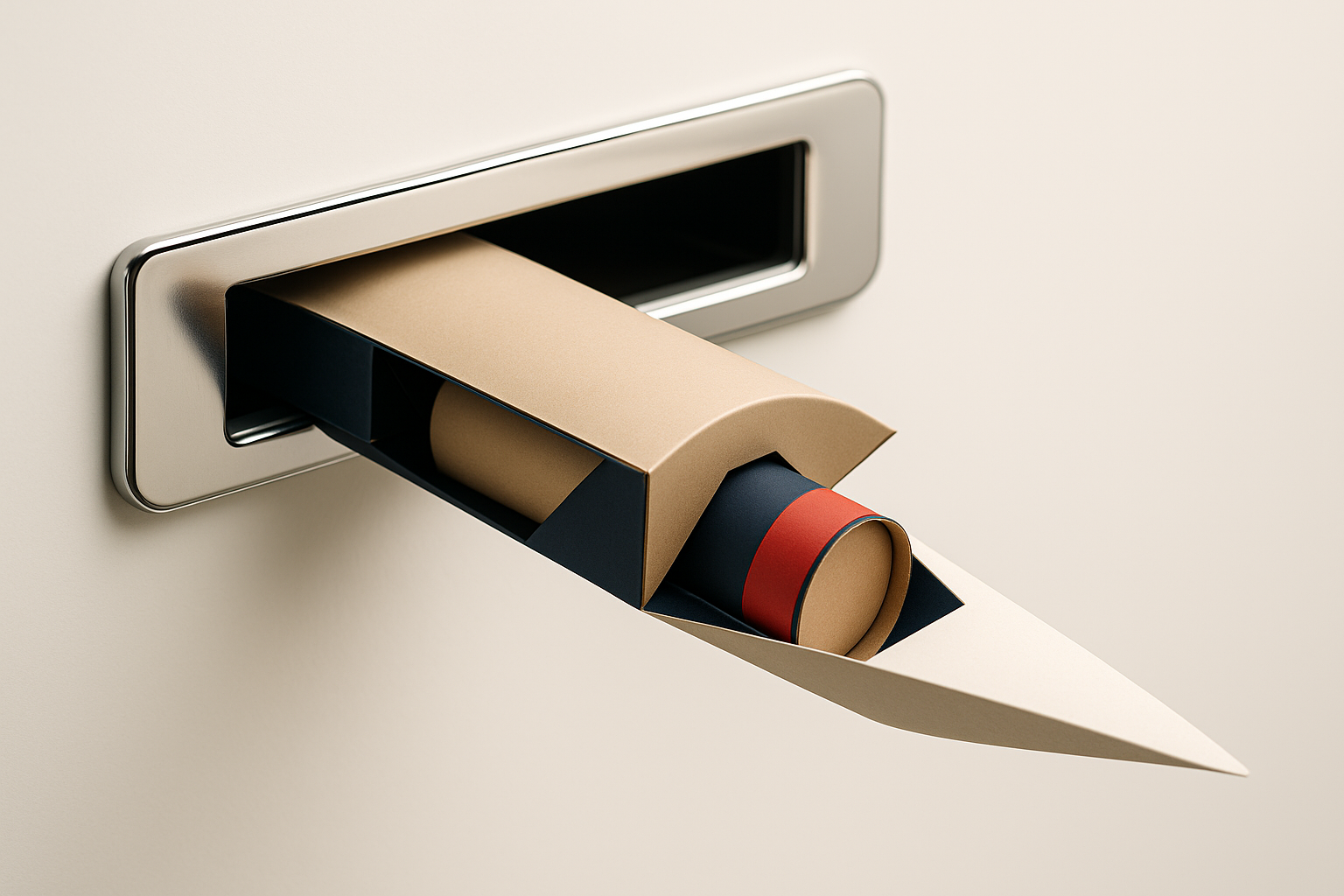
Direct-to-consumer (DTC) skincare brands are increasingly turning to letterbox packaging as a way to streamline delivery and enhance customer experience. This approach not only reduces shipping costs but also ensures that products reach customers without requiring a signature, fitting perfectly through standard mail slots. However, designing effective letterbox packaging for cosmetics, especially within the 25 mm thickness limit of the Royal Mail large letter specification, presents unique challenges.
Understanding the Royal Mail Large Letter Box Requirements
To qualify as a "large letter" under Royal Mail standards, the package must not exceed 353 mm in length, 250 mm in width, and crucially, 25 mm in thickness. This specification is key for brands aiming to minimize shipping costs while ensuring the package fits through standard UK letterboxes.
Why the 25 mm Limit Matters
Staying within the 25 mm limit is crucial for reducing shipping costs and avoiding additional charges that come with larger parcel sizing. This constraint requires careful planning in terms of product arrangement and packaging design.
Materials Suitable for Letterbox Packaging
Choosing the right materials is a critical step in the design process. For DTC skincare products, the packaging must not only protect the contents but also reflect the brand’s quality.
Lightweight Cardstock Options
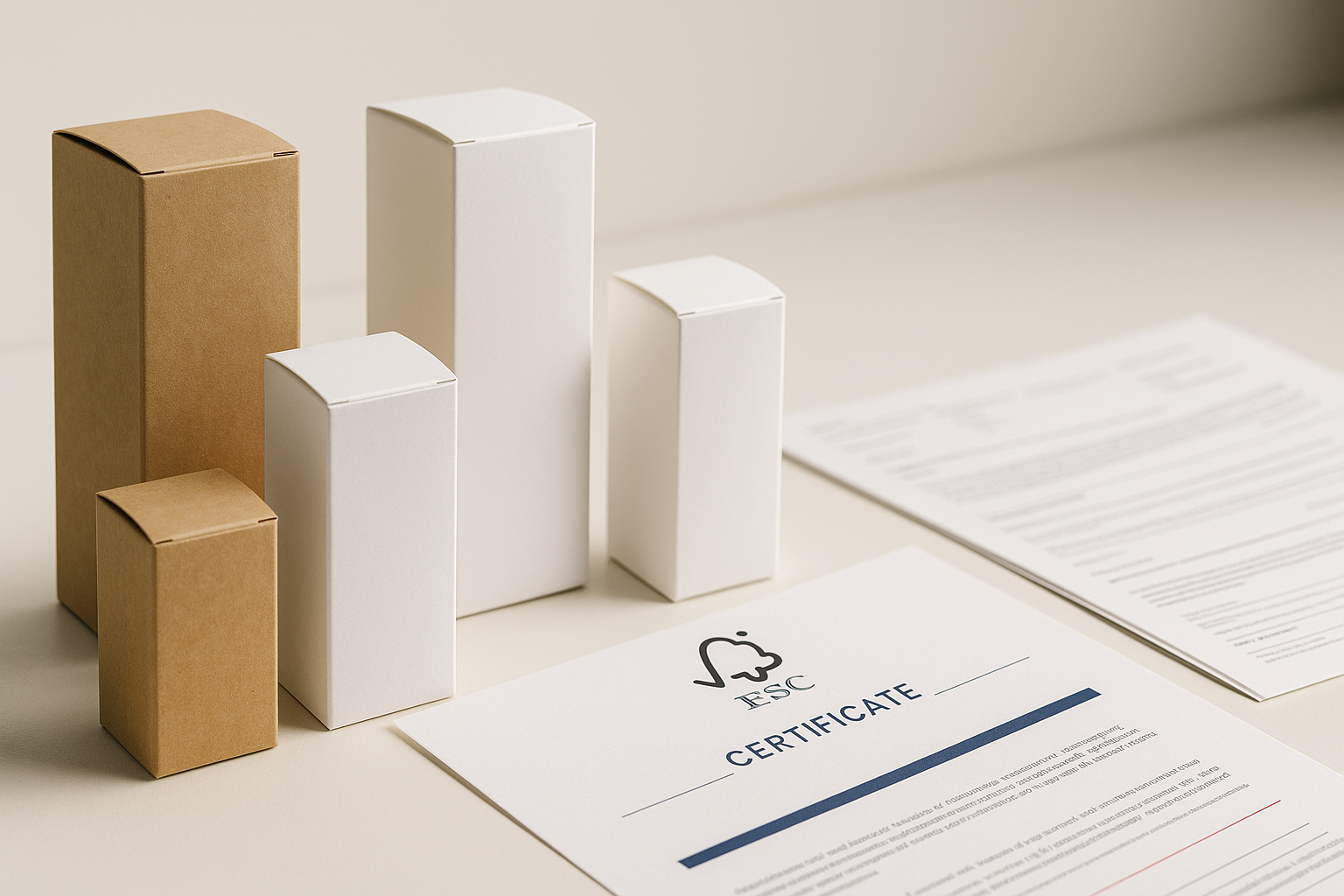
For cartons, we recommend using coated art paper or solid bleached sulfate (SBS) board in the range of 250-400 gsm. These options provide a sturdy yet sleek finish that can handle full-color printing effectively.
Rigid vs. Flexible Packaging
While rigid boxes offer superior protection with greyboard ranging from 800-1200 gsm, they may not always be feasible within the 25 mm limit. Flexible packaging solutions, such as folding cartons, often provide the necessary protection while maintaining a slim profile.
Designing for Compactness and Protection
The challenge lies in fitting everything within a 25 mm height. This requires innovative design solutions to ensure both protection and aesthetics are not compromised.
Flat and Compact Designs
Designing products to lie flat in the packaging is essential. Consider using blister packs or custom inserts that can hold the skincare products securely without adding bulk.
Protective Features
Incorporating protective features such as soft-touch or matte lamination can enhance the tactile experience while adding a layer of protection against scratches and moisture.
Cost Implications of Letterbox-Compatible Packaging
Adhering to letterbox standards can significantly reduce shipping costs, but it also affects manufacturing expenses.
Per-Unit Cost Analysis
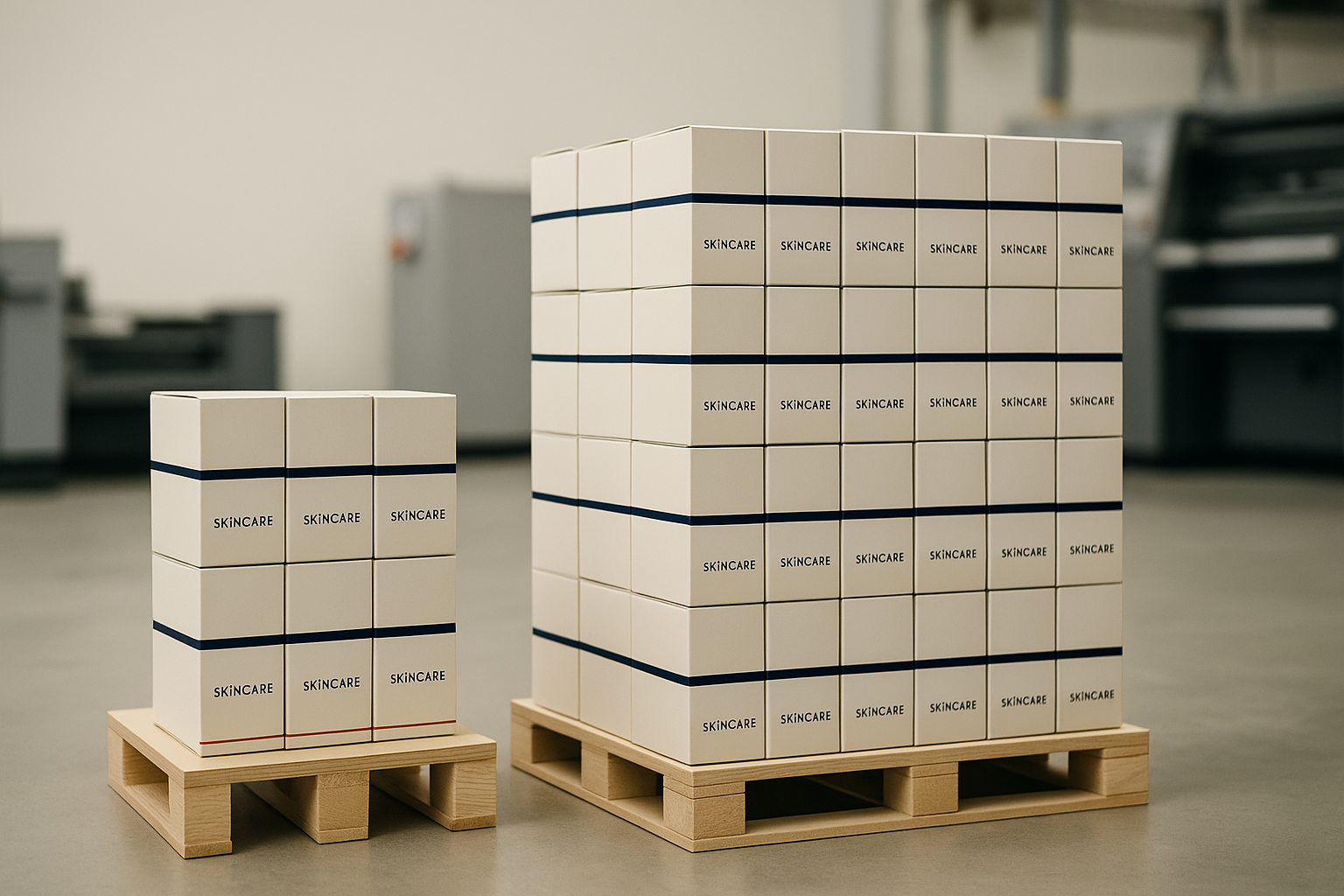
While the initial tooling and plate costs are fixed, the per-unit cost decreases with higher volumes. This is due to the amortization of these fixed costs over larger production runs.
Branding Opportunities in Letterbox Packaging
Despite size constraints, there are ample opportunities to enhance the brand experience through packaging.
Printing and Finishing Options
Our factory offers diverse printing capabilities, including spot UV and foil stamping, which can add a premium look to compact packaging designs. These finishing touches ensure that your packaging stands out, even within the size limits.
Practical Examples: Successful Letterbox Designs
Several DTC skincare brands have successfully implemented letterbox packaging designs. These examples demonstrate effective use of materials and space.
Case Study: Flat-Pack Skincare Kits
Brands offering product samples or starter kits have utilized flat-pack designs, where products are arranged in a single layer within a vacuum-formed tray. This approach maximizes space and minimizes movement during transit.
Quality Assurance and Sustainability
Quality and sustainability are paramount in cosmetics packaging. Our factory is ISO 9001 and FSC CoC certified, ensuring high standards and responsible sourcing.
Eco-Friendly Options
Consider using recyclable materials and eco-friendly inks to align with consumer preferences for sustainable packaging. This not only caters to the environmental concerns but also enhances the brand image.
Key takeaways
- Adhering to the 25 mm limit is crucial for reducing shipping costs for DTC skincare brands.
- Compact, flat designs combined with lightweight materials can optimize packaging for letterbox delivery.
- Strategic use of printing and finishing options enhances branding within space constraints.
- Investing in eco-friendly materials can improve brand perception and align with consumer values.
- Volume production reduces per-unit costs, making letterbox packaging economically viable.
Frequently asked questions
What is the thickness limit for Royal Mail large letter box design?
The maximum thickness for a Royal Mail large letter is 25 mm, with other dimensions being up to 353 mm in length and 250 mm in width.
What materials are best for letterbox packaging cosmetics?
Coated art paper or SBS board (250-400 gsm) are ideal for maintaining a slim profile while offering good print quality.
How can I make my DTC skincare packaging eco-friendly?
Use recyclable materials and eco-friendly inks. Opt for FSC-certified paper and consider designs that minimize material use.
Does letterbox packaging affect the unboxing experience?
With thoughtful design, letterbox packaging can still provide an engaging unboxing experience through quality materials and creative layouts.