In the world of electronics packaging, the insert often costs more than the box itself. For procurement managers and designers, understanding the details of insert engineering is crucial for balancing cost with functionality and user experience. The choice of materials like EVA foam versus molded pulp, and the design of the unboxing experience, directly affects your packaging’s success.
The Role of Inserts in Electronics Packaging
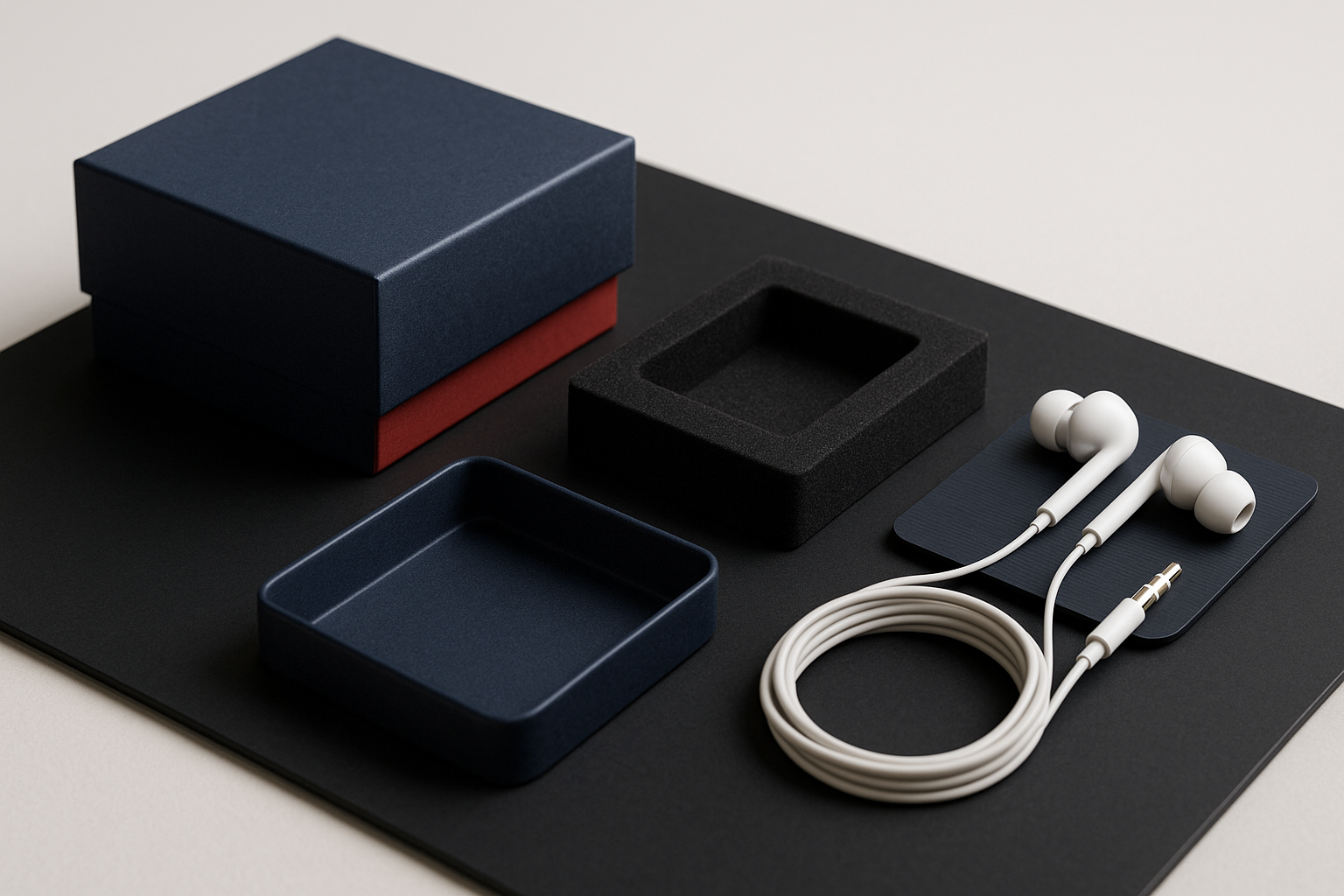
Inserts play a critical role in electronics packaging by securing the product, providing cushioning, and enhancing the unboxing experience. These components must be engineered to fit the product precisely, which involves careful design and material selection.
Protection and Safety
The primary function of packaging inserts is to protect sensitive electronic components from damage during transit. This requires materials that can absorb shocks and vibrations, such as EVA foam, which offers excellent cushioning properties.
Unboxing Experience
The unboxing experience is a powerful marketing tool, influencing customer perception of the brand. Well-designed inserts can make unboxing intuitive and enjoyable, which is why companies invest significantly in this aspect of packaging.
Comparing EVA Foam and Molded Pulp
Choosing the right material for packaging inserts is essential for cost management and product protection. Here’s a comparison between EVA foam and molded pulp, two popular choices:
| Property | EVA Foam | Molded Pulp |
|---|---|---|
| Cushioning | Excellent | Good |
| Environmental Impact | Moderate | Low |
| Cost | Higher | Lower |
| Customizability | High | Moderate |
Why Insert Costs Can Surpass Box Costs
Several factors contribute to the higher cost of inserts compared to the outer box:
Precision Engineering
Inserts require precision engineering to fit electronics snugly, which involves complex tooling and design processes. This precision ensures the product remains secure, reducing the risk of damage.
Material Costs
High-quality materials like EVA foam are more expensive than basic cardboard or SBS used for boxes. The need for specialized materials adds to the overall cost of the insert.
Designing for an Unforgettable Unboxing Experience
An unforgettable unboxing experience is not just about aesthetics; it’s about functionality and ease. Inserts are designed with cutouts and compartments that guide the user through the unboxing process, enhancing engagement with the product.
Sustainability Considerations
With growing environmental concerns, choosing sustainable materials for inserts is crucial. Molded pulp, made from recycled paper, is an eco-friendly option, but it may not offer the same level of protection as EVA foam.
Cost Management Strategies
Balancing cost and functionality in packaging inserts involves strategic decisions:
Volume Production
Increasing production volumes can lower per-unit costs as tooling and setup charges are spread over a larger number of units, reducing the impact on the overall budget.
Material Optimization
Selecting the right combination of materials and engineering them efficiently can help manage costs while maintaining the quality and protective features necessary for electronics packaging.
Key takeaways
- Inserts are crucial for protecting electronics and enhancing the unboxing experience.
- EVA foam offers superior cushioning but is more expensive than molded pulp.
- Precision engineering and material quality drive insert costs higher than box costs.
- Sustainability is an important consideration, with molded pulp being a greener option.
- Strategically managing volume and material selection can optimize costs.
Frequently asked questions
Why do packaging inserts cost more than the box?
Packaging inserts often require more precision and higher-quality materials to protect delicate electronics, which drives up costs compared to the outer box.
What materials are best for electronics packaging inserts?
EVA foam is excellent for cushioning, while molded pulp is more eco-friendly. The choice depends on the specific protection and sustainability needs.
How can I reduce costs in electronics packaging?
Increasing production volumes and optimizing material selection are effective strategies to manage costs without compromising quality.
Is molded pulp a sustainable choice for packaging inserts?
Yes, molded pulp is made from recycled materials and is biodegradable, making it a sustainable option for packaging inserts.