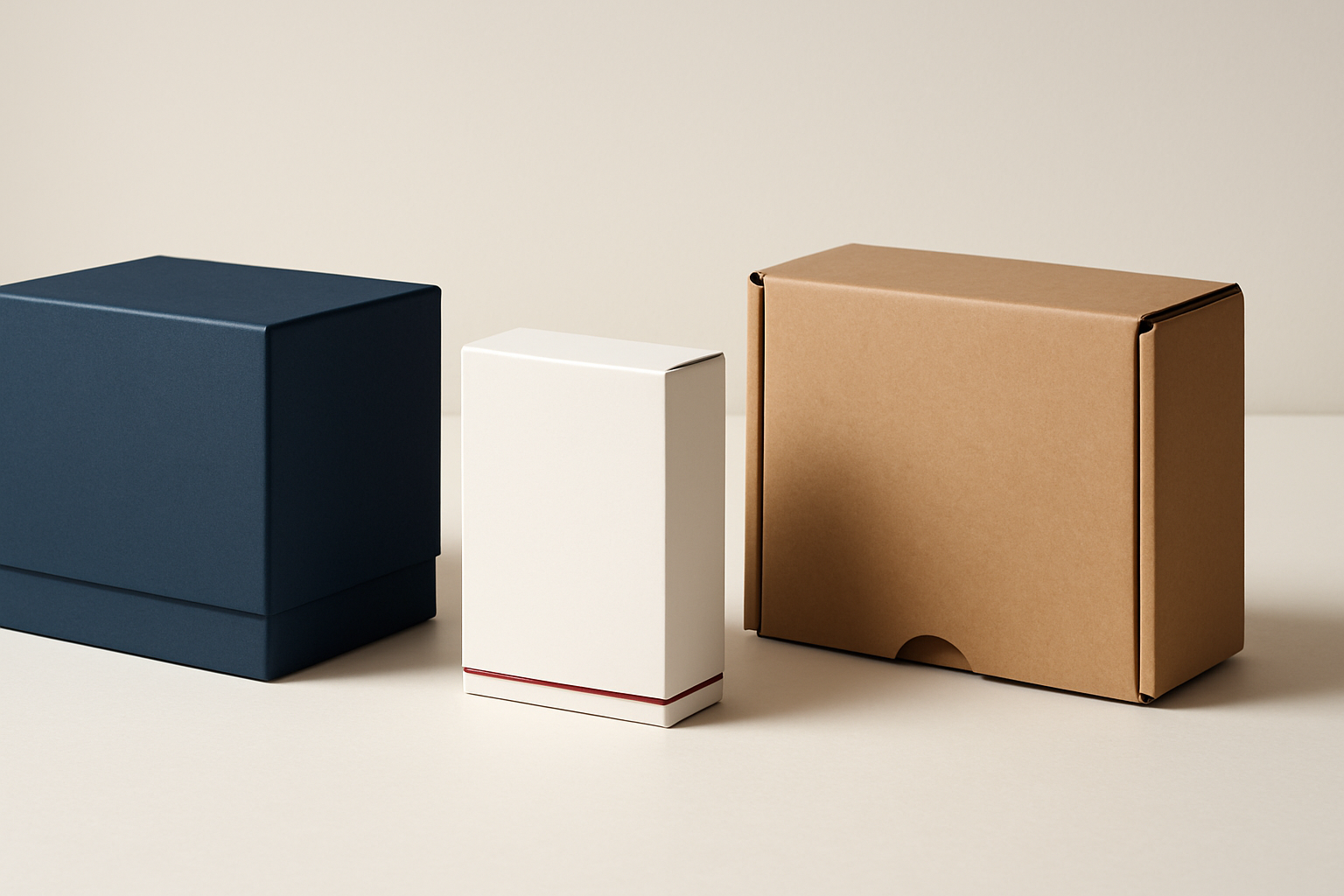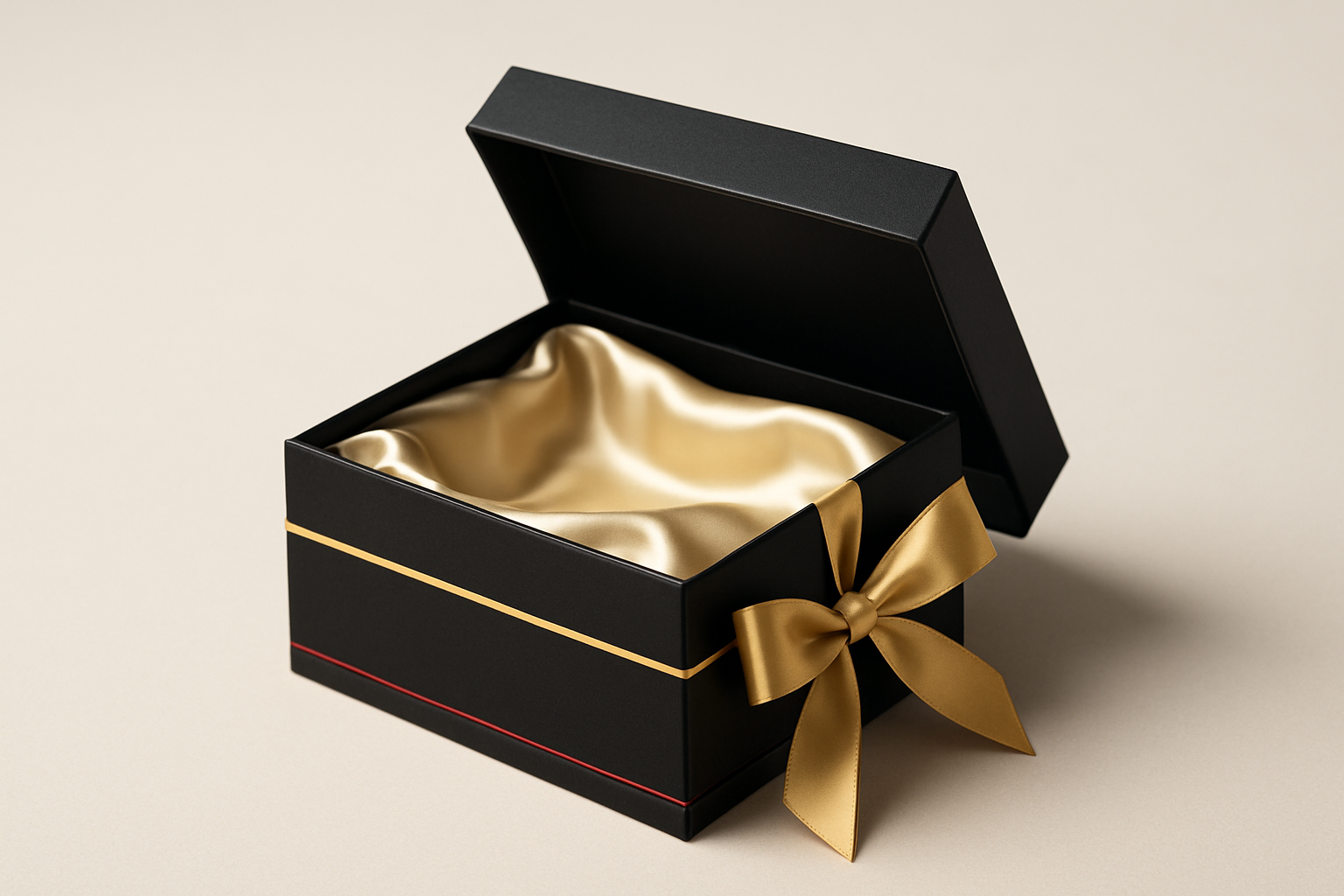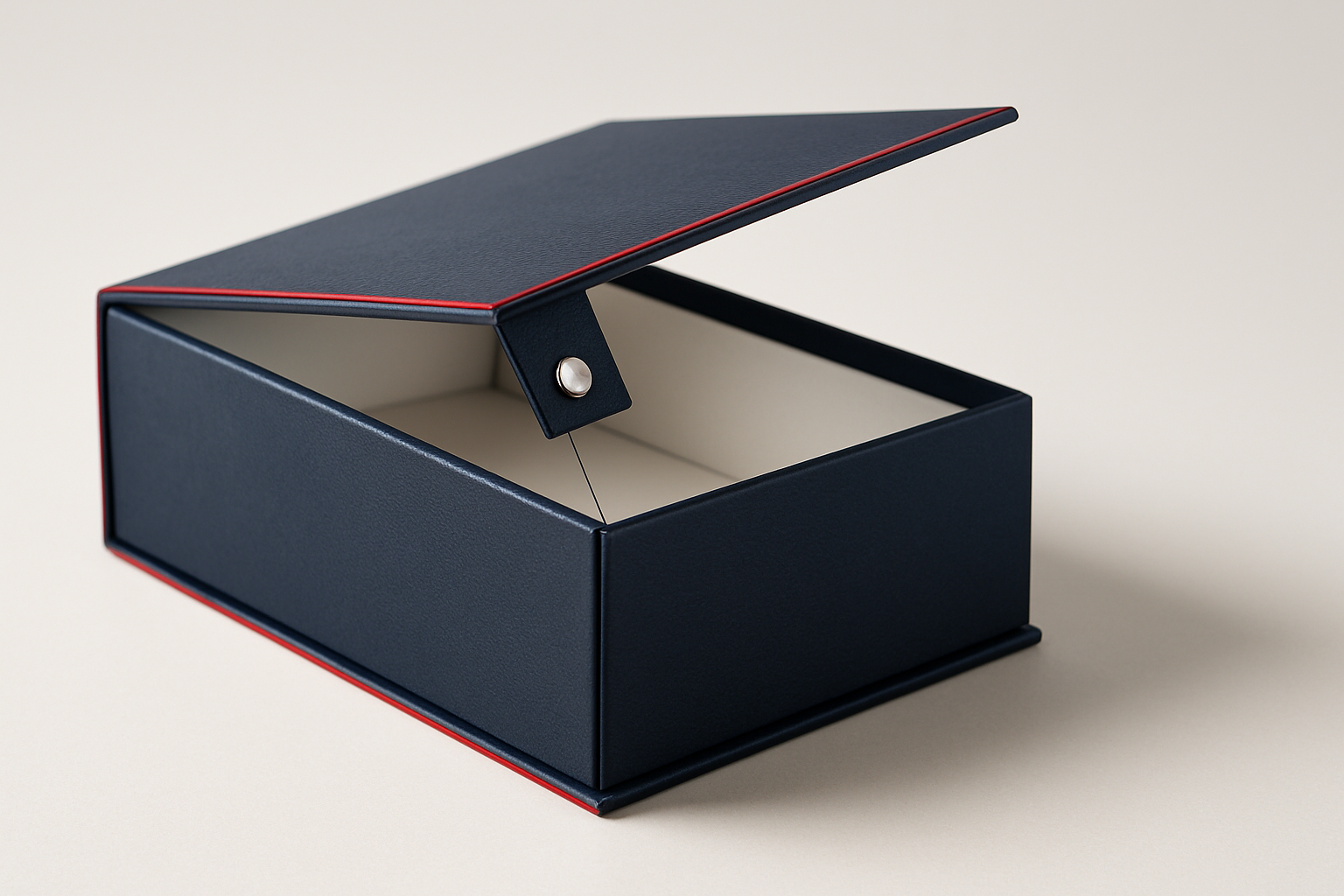
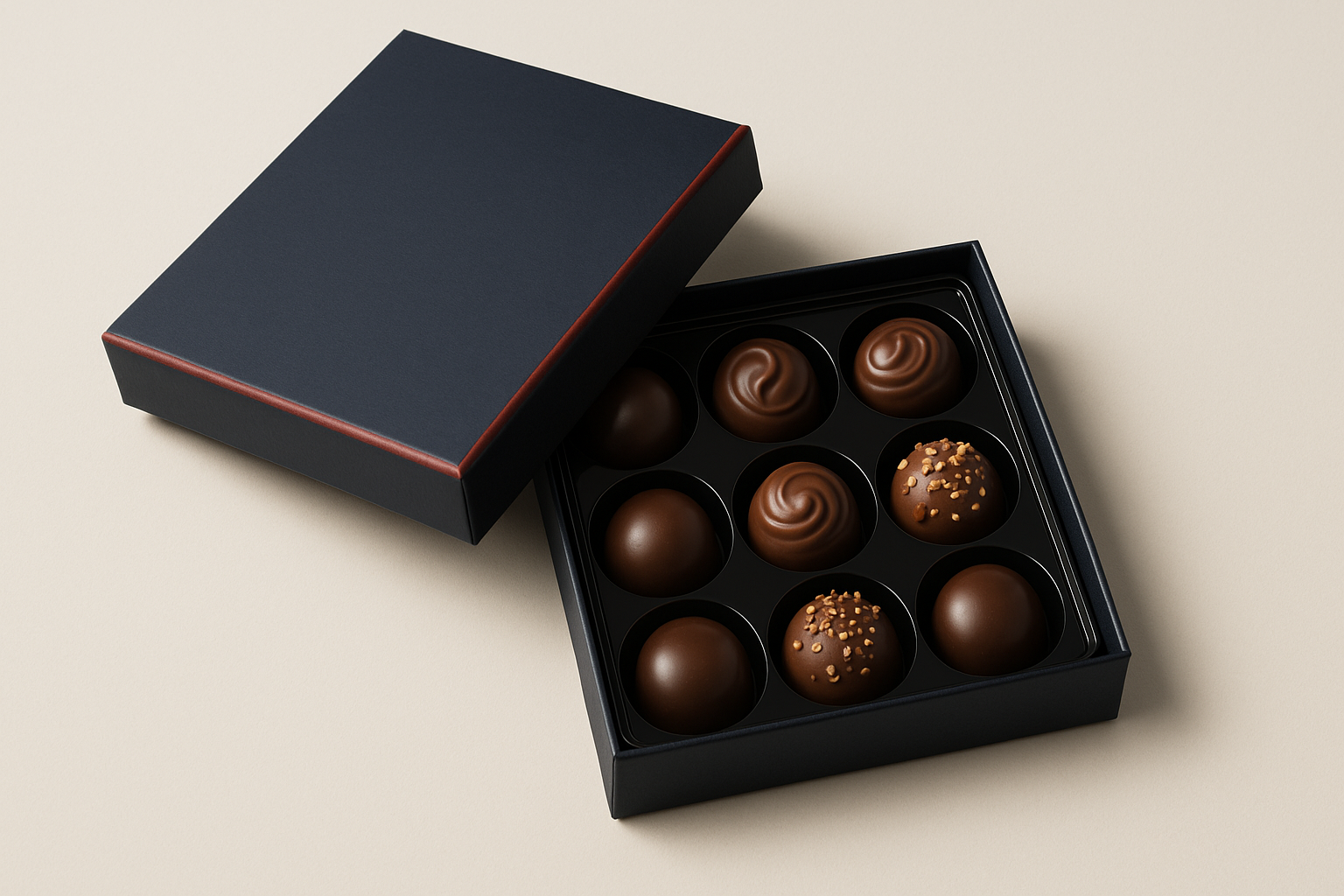
Compartment tray boxes are a versatile packaging solution for multi-piece gift sets, chocolates, and other items requiring organized presentation. Choosing the right material for these inserts - whether PET, pulp, or board - is crucial to both aesthetics and functionality.
The Role of Compartment Tray Packaging
Compartment tray packaging plays a critical role in organizing and protecting multiple items within a single package. This packaging format is essential for products like chocolates, multi-piece gift sets, and electronics where both presentation and protection are paramount. Tray inserts ensure that each item stays in place, reducing the risk of damage during transport and enhancing the unboxing experience.
Material Options for Compartment Trays
In the production of compartment trays, three primary materials are commonly used: PET, pulp, and board. Each material offers distinct advantages, influencing both the functionality and presentation of the packaging.
PET Tray Box
PET (Polyethylene Terephthalate) is a clear thermoplastic that provides exceptional strength and visibility. It's particularly popular for chocolate box compartments due to its ability to showcase the product beautifully while providing sturdy protection. The transparency of PET allows consumers to see the product clearly, enhancing appeal and driving sales.
Pulp Trays
Pulp trays are crafted from molded fiber, making them an eco-friendly option. They are biodegradable and recyclable, appealing to environmentally conscious consumers. Pulp trays offer a rustic look and are often used for organic or artisanal product sets. While they may lack the clarity of PET, they make up for it with sustainability and a natural aesthetic.
Board Inserts
Board inserts are made from coated or uncoated paperboard, offering a cost-effective and versatile option. They can be customized with various finishes, such as soft-touch or matte lamination, to align with brand aesthetics. Board inserts are suitable for a wide range of product types, providing a balance between cost and presentation.
Comparing Materials: A Detailed Look
| Material | Advantages | Disadvantages |
|---|---|---|
| PET | Clear visibility, strong, lightweight | Less eco-friendly, higher cost |
| Pulp | Eco-friendly, biodegradable, rustic look | Opaque, less sturdy under pressure |
| Board | Customizable, cost-effective, versatile | Not transparent, potential for weaker structure |
Design Considerations for Multi-Piece Gift Sets
When designing packaging for multi-piece gift sets, several factors must be considered to ensure optimal functionality and aesthetics. The choice of insert material should align with the brand's values and the product's positioning in the market.
Aesthetic Appeal
The visual presentation of the product is crucial in capturing consumer interest. PET inserts offer a sleek, modern look, while pulp trays provide an organic, earthy feel. Board inserts can be tailored to a brand's specific aesthetic through printing and finishing techniques.
Cost Efficiency
While PET offers superior visibility and protection, it comes at a higher cost. Pulp and board inserts generally offer more cost-effective solutions, with pulp being the preferred choice for eco-conscious brands. The choice between these materials will depend on budget constraints and brand priorities.
Environmental Considerations
With increasing consumer awareness about environmental impact, the sustainability of packaging materials is a significant consideration. Pulp trays are the most environmentally friendly option, while board inserts can also be sustainable if sourced from FSC certified paper. PET, though recyclable, is less preferred in terms of environmental footprint.
Production and Manufacturing Capabilities
Our factory in Fuzhou excels in producing high-quality compartment tray packaging with a wide range of customization options. We utilize state-of-the-art equipment and comply with international standards like ISO 9001 and FSC CoC. Our lead times range from 12-30 days, depending on the complexity and volume of the order.
Explore Custom Packaging Manufacturing and our full printing capabilities to ensure your packaging meets both your aesthetic and functional needs.
Key Takeaways
- PET, pulp, and board are the primary materials used for compartment trays, each with unique advantages.
- Material choice impacts both the visual appeal and cost of the packaging.
- Pulp is the most sustainable option, ideal for eco-conscious brands.
- Customizable board inserts offer a balance between cost and design flexibility.
- Our factory provides high-quality manufacturing with a focus on sustainability and efficiency.
Frequently asked questions
What are the benefits of using PET for compartment trays?
PET offers excellent visibility, strength, and lightweight durability, making it ideal for products that benefit from clear display.
Is pulp packaging truly sustainable?
Yes, pulp packaging is biodegradable and recyclable, making it a highly sustainable choice for environmentally conscious brands.
Can board inserts be customized?
Absolutely. Board inserts can be customized with various finishes and printing options to match brand aesthetics and product requirements.
What factors should be considered when choosing a tray material?
Considerations include cost, environmental impact, aesthetic requirements, and the level of protection needed for the product.