About the prices below: figures are indicative ranges for planning only — actual cost depends on size, material, finish, quantity and season. They are not a quote. Request a quotation for exact, current pricing on your spec.
Launching a custom packaging program requires careful financial planning from the prototype phase all the way through to bulk production. Understanding the cost components and how they change as you scale can help you set a realistic budget and avoid surprises.
Understanding the Prototype Phase
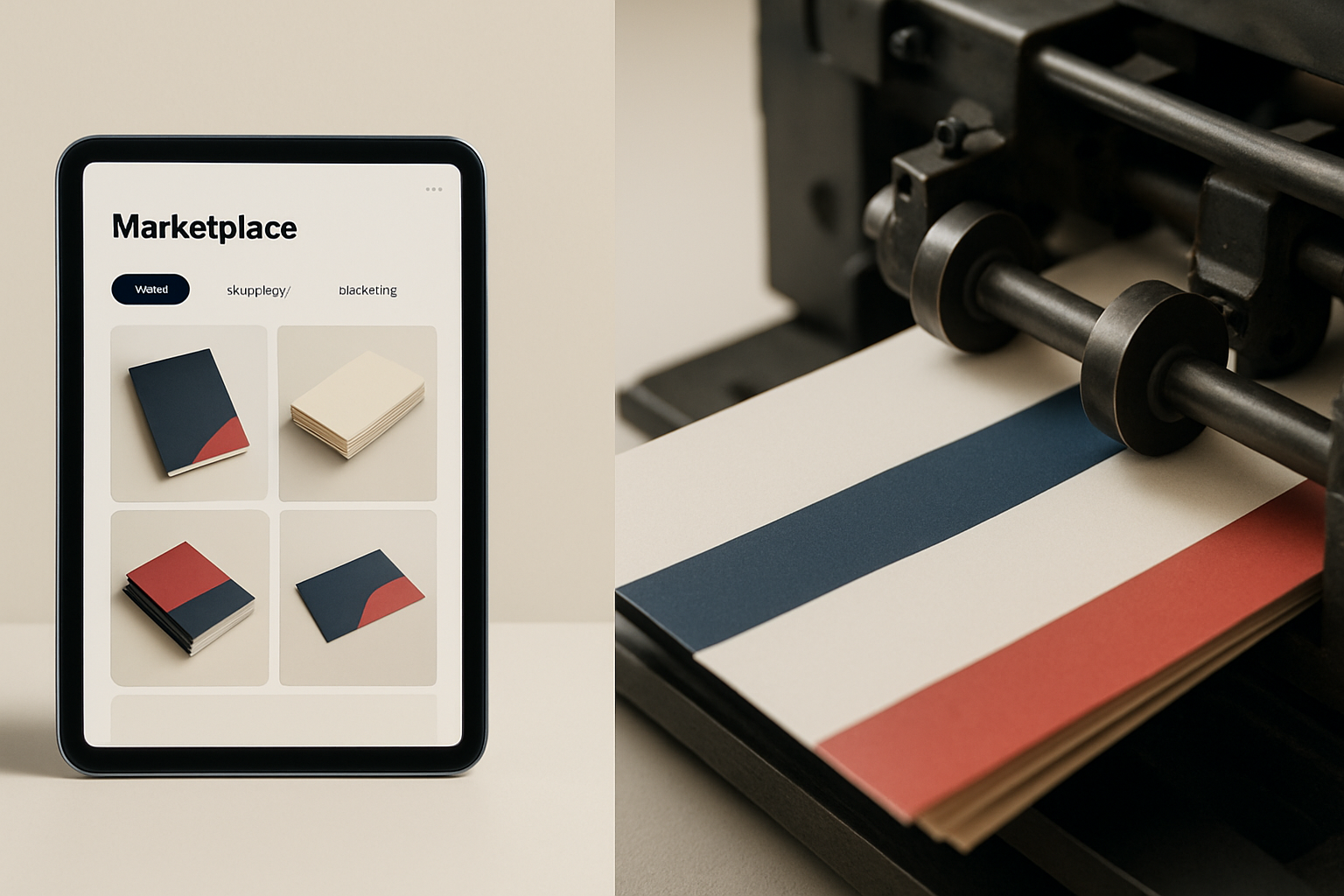
The prototype phase is often the most creatively engaging, but it also comes with unique cost considerations. During this stage, costs are generally higher due to the small production runs and the need for initial design work.
Design and Development Costs
Creating a prototype involves collaboration between your design team and our production experts. Costs here include design consultations, CAD modeling, and sample production. We recommend budgeting around 10-15% of your total packaging budget for this phase.
Tooling and Setup
Tooling is a significant cost factor in custom packaging. It includes the creation of dies, molds, and printing plates. Initial tooling costs can be high, but these are amortized over larger production runs. Our factory supports cost-effective tooling that integrates with our ISO 9001 and FSC-certified processes.
Material Choices and Their Impact on Budget
Material selection is a crucial part of your packaging budget. The type of material affects both the cost and the functionality of your packaging.
Common Material Options
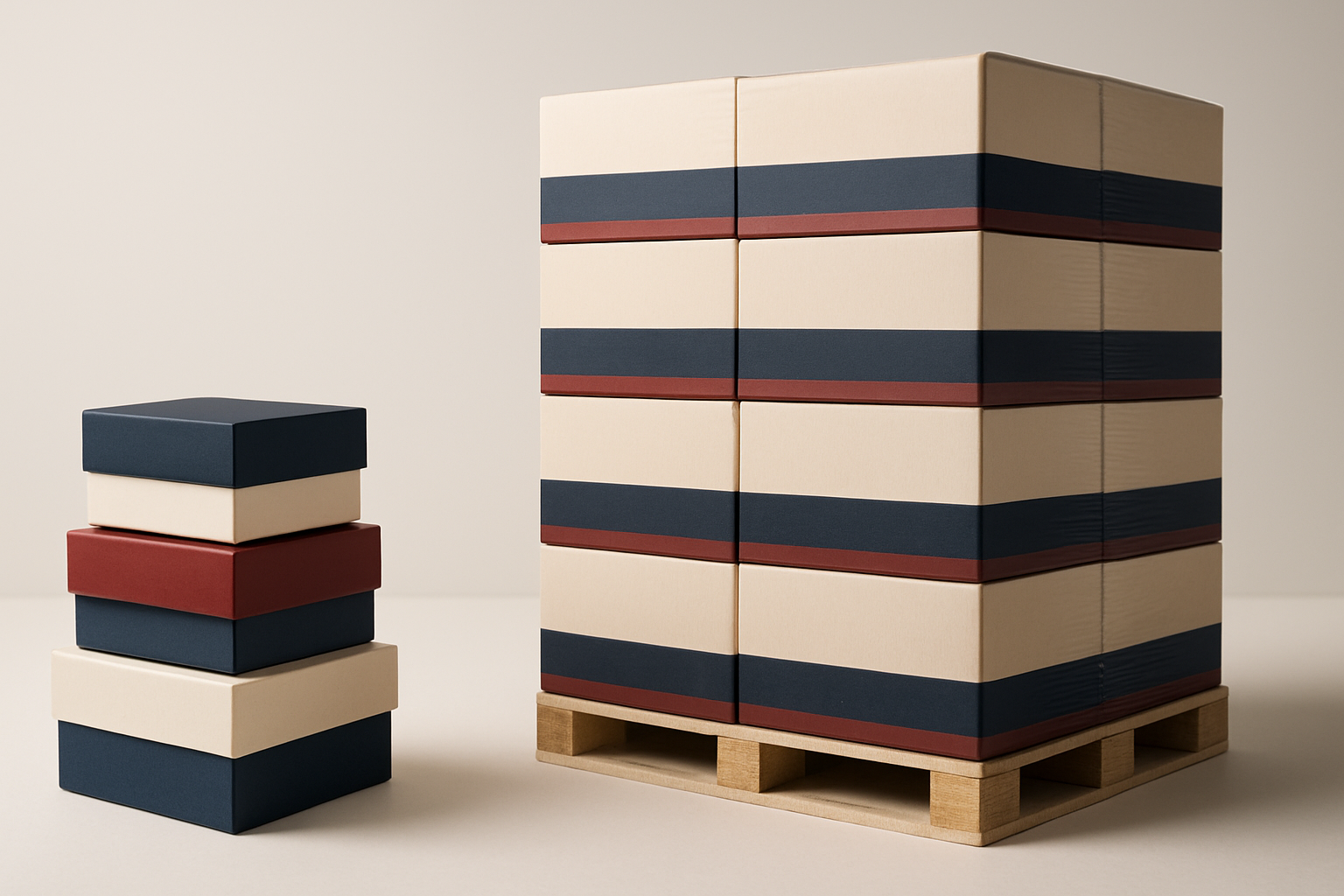
We offer a range of materials like 800-1200gsm greyboard for rigid boxes, 250-400gsm coated art/SBS board for cartons, and 120-210gsm kraft paper for bags. Each material comes with different cost implications and benefits based on durability and aesthetic appeal.
Comparing Material Costs
| Material Type | Cost Range (per unit) | Best Use Case |
|---|---|---|
| Greyboard (800-1200gsm) | $0.50 - $1.00 | Luxury rigid boxes |
| Coated Art/SBS (250-400gsm) | $0.30 - $0.70 | Folding cartons |
| Kraft Paper (120-210gsm) | $0.20 - $0.50 | Eco-friendly bags |
From Prototype to Bulk: Scaling Costs
As you move from prototype to bulk production, your cost structure changes significantly. Understanding these changes is essential for accurate budgeting.
Economies of Scale
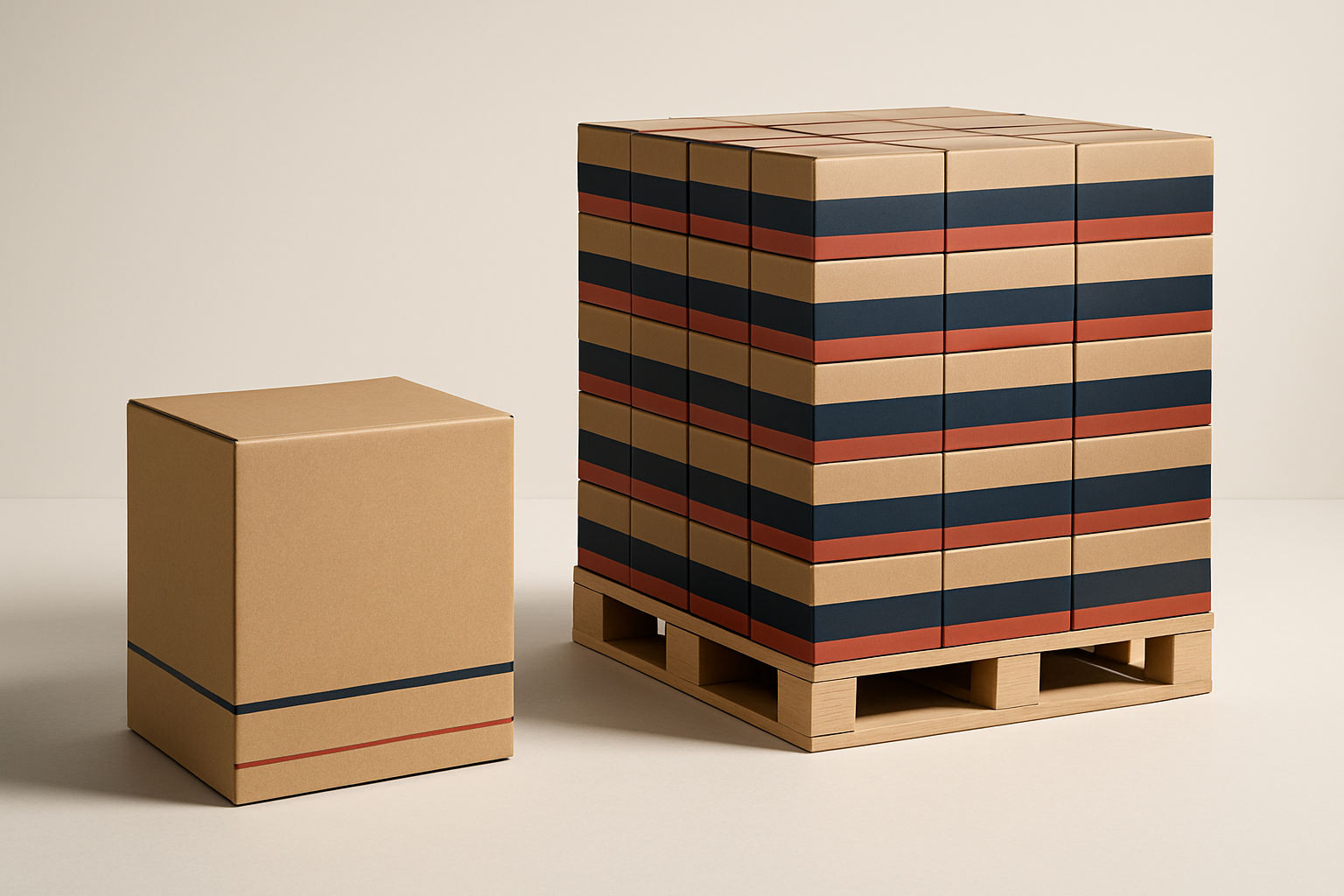
Volume is a key driver of cost efficiency. As order quantities increase, the per-unit price decreases because fixed costs like tooling and setup get spread over more units. For example, a small run of 1,000 units may cost $2.00 per unit, whereas a run of 10,000 could drop the cost to $1.50 per unit.
Lead Times and Cost Implications
Standard lead times in our Fuzhou factory range from 12 to 30 days. Expedited production can incur additional costs, so it's important to plan your timelines carefully to avoid rush fees.
Finishing Touches: Effects on Budget
Finishing options such as lamination, spot UV, and foil stamping can enhance your packaging but also add to the cost.
Types of Finishes
We offer soft-touch, matte, and gloss laminations, as well as spot UV and foil stamping. These finishes can elevate the perceived value of your packaging but typically add $0.10 - $0.30 per unit.
Strategic Use of Finishes
Consider using premium finishes selectively to manage costs while achieving the desired brand effect. For instance, foil stamping can be used on logos or key design elements.
Budgeting for Shipping and Logistics
Shipping costs are a crucial part of your overall budget. These can vary based on weight, volume, and shipping method.
Domestic vs. International Shipping
Shipping from China to international locations can be cost-effective, especially when using bulk sea freight for large orders. Air freight is faster but significantly more expensive.
Customs and Duties
Don't forget to include customs duties and taxes in your budget if you're importing internationally. These can vary by country and should be factored into the total cost.
Negotiating and Managing Your Budget
Effective negotiation and budget management can lead to significant savings and a more efficient packaging program.
Working with Your Manufacturer
Open communication with our team can help identify cost-saving opportunities without compromising quality. We advise sharing your full project scope to receive the most accurate and competitive pricing.
Long-term Partnerships
Building a long-term relationship with a reliable manufacturer like us can lead to better pricing terms and priority production slots.
Key takeaways
- Prototype costs are high, but they set the foundation for bulk production savings.
- Material choice significantly impacts your budget and should align with your brand needs.
- Volume drives cost efficiency; plan for larger runs to decrease per-unit costs.
- Factor in finishing, shipping, and logistics for a comprehensive budget.
- Effective negotiation and long-term partnerships can lead to cost savings.
Frequently asked questions
How do I estimate the cost of custom packaging from prototype to bulk?
Start by budgeting for design and tooling in the prototype phase, then factor in material and production costs for bulk. Use volume to your advantage to lower per-unit costs.
What materials are most cost-effective for custom packaging?
Kraft paper is generally the most cost-effective, followed by coated art/SBS for folding cartons and greyboard for rigid boxes, depending on your needs.
How can I reduce costs without sacrificing quality?
Focus on efficient design, material selection, and strategic use of finishes. Collaborate with your manufacturer to explore cost-saving options.
What should I consider for international shipping costs?
Plan for the type of freight (sea vs. air), calculate weight and volume, and include customs duties and taxes in your budget.